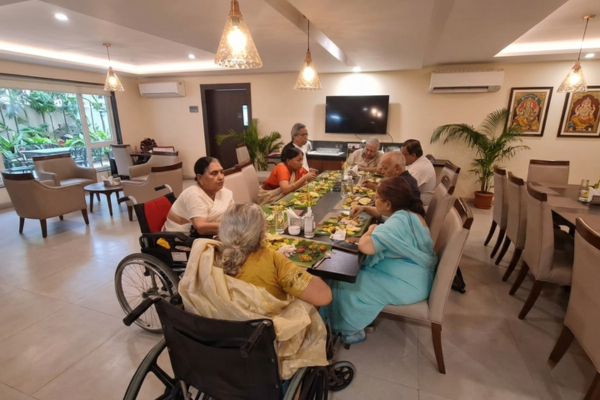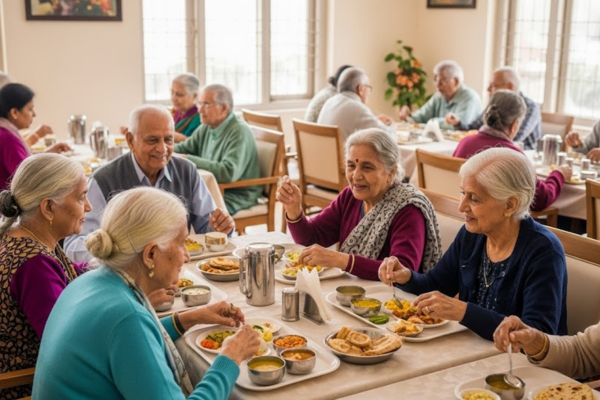
If you’re a Kolkata-based Bengali NRI, food and care often sit side by side in your mind. You might be checking in on parents from miles away, or quietly planning what you’d want for yourself later. In some families, meals are prepared at home by a helper. In others, food comes as part of a premium old age home in Kolkata, which makes it even more important to know what good senior nutrition looks like, so you can ask the right questions.
After the age of 60, the body undergoes changes that can make eating feel challenging. Appetite dips, digestion slows, muscles thin, bones need more support, and thirst cues get weaker.
This guide keeps it simple and Indian-friendly, so daily meals feel doable, not stressful.
What really changes after 60, and how that affects what you should eat
Ageing is not a sudden switch. It’s more like a dimmer; the needs shift little by little. The good news is that food can still do a lot, even when portions get smaller.
One common change is a lower appetite. Many seniors say, “I’m just not hungry.” The body may burn fewer calories with age, but it still needs protein, calcium, fibre, and fluids. That’s why nutrient-dense foods matter more than big plates.
Another change is that the body becomes less forgiving of long gaps. A younger person might skip breakfast and feel fine. A senior might feel shaky, low, or tired. Smaller meals, spaced throughout the day, often work better than forcing one heavy lunch.
Digestion can also slow down. If someone is often constipated, bloated, or feels “full quickly”, the fix is rarely harsh medicines first. It’s usually a mix of softer cooked foods, enough water, and steady fibre. Think of your gut like an old ceiling fan; it still works, but it needs regular oiling, not sudden speed.
Finally, there’s the practical side. Taste changes, dentures may hurt, and chewing can become hard work. When that happens, people often cut down on dals, vegetables, and fruit, which are exactly the things they need.
A simple example: if lunch used to be rice, dal, and sabzi, a senior might start eating only rice with a bit of dal. A small tweak, like thickening dal with masoor and adding curd, can lift protein and calcium without increasing volume.
Muscle loss, weaker bones, and slower digestion: the big three to plan around
After 60, muscle loss can creep in if protein intake drops and activity slows. This matters because muscle is what helps someone get up from a chair, carry a bag, and keep balance. Appetite might be lower, but protein needs don’t fall in the same way. So the aim becomes: include a protein food at each meal, even if it’s a small amount.
Easy upgrades work well:
- Add sprouts or paneer to breakfast.
- Have dal at lunch even on “light” days.
- Mix curd into meals when tolerated.
Bones need support, too. Calcium is part of it, but it’s not the whole story. Vitamin D (often low in older adults) and enough protein both help the body maintain bone strength. Ragi porridge with milk or curd, or sesame (til) in chutney, can fit naturally into Indian meals.
Digestion often slows, and constipation becomes common. Fibre helps, but it must come with fluids. Choose softer fibre sources if chewing is hard, like well-cooked vegetables, mashed fruit, oats, or dalia.
Lower thirst, less taste, and chewing trouble: the hidden reasons seniors skip meals
Many seniors don’t feel thirsty until they’re already low on fluids. Mild dehydration can show up as tiredness, headaches, dark urine, or even confusion. The fix is rarely “drink two litres at once”. It’s small sips through the day, plus fluid foods like soup, chaach, or thin dal.
Taste and smell can dull too, which makes food boring. The trap is adding extra salt or extra sugar. A better route is flavour from lemon, ginger, garlic, jeera, dhania, curry leaves, and fresh herbs. Even a squeeze of lime on khichdi can wake up the plate.
Chewing trouble also pushes people towards tea and biscuits, or only soft rice. Instead, keep meals soft but nourishing: soft rotis, well-cooked sabzi, egg bhurji, fish curry with soft rice, and blended soups. If you’re weighing up support options, this is one reason many families look at assisted living in India, where meal texture and regular timing can be managed with care.
Build a simple plate that works in Indian homes (even with a small appetite)
A senior-friendly plate is not about fancy “health food”. It’s about a repeatable pattern that quietly covers the bases: protein, fibre, calcium, and fluids.
A useful template is the balanced plate idea:
- Half the plate: vegetables (mostly cooked) plus fruit across the day.
- One quarter: protein (dal, chana, rajma, eggs, fish, paneer, curd, soy).
- One quarter: grains (soft roti, rice, dalia, oats, millets), based on tolerance.
If appetite is small, shrink the plate and increase frequency. Think “tea cup portions” spread out, not “thali portions” forced at one sitting.
This matters whether your parent is at home, in an elder care home, or considering a temporary stay old age home in Kolkata for recovery. The body still needs steady protein and fluids to keep strength up during routine changes.
Keep safety in mind. If someone has diabetes, kidney disease, swallowing issues, or takes blood thinners, food choices may need personal adjustment. Use the guidance here as general healthy eating, then check specifics with a clinician.
If you’re comparing senior living options, you can also scan a facility’s approach to dining and care. For example, the overview on a luxury retirement home for seniorscan help you see what “meals included” might look like in real life.
The easiest daily structure: breakfast, thali-style lunch, light dinner, smart snacks
A simple day, built around warm, familiar foods
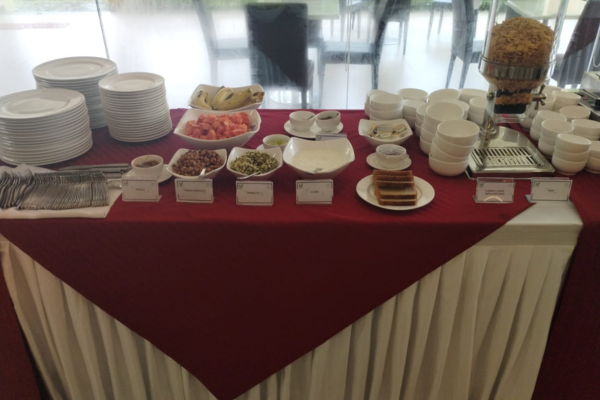
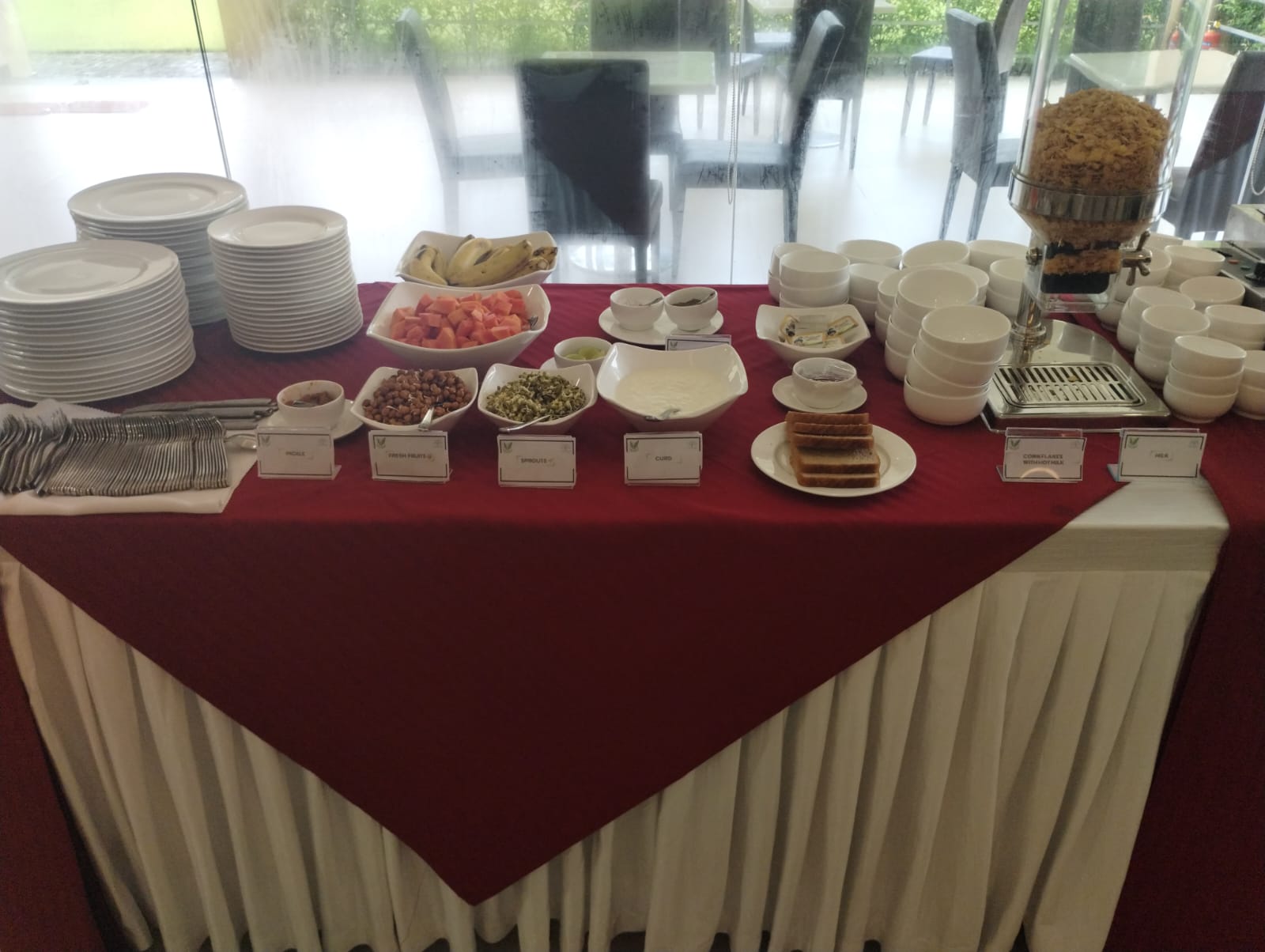
Breakfast: Vegetable poha, moong dal chilla, or corn flakes with milk (add a spoon of ground nuts if chewing is easy).
Lunch (thali style): Soft roti or brown rice, a bowl of dal, seasonal sabzi, plus curd or raita.
Evening snack: Roasted makhana, coconut water, or fruit like papaya or banana.
Dinner: Moong dal khichdi with ghee, or veg soup with a soft phulka.
Portion tip: Use a smaller plate and offer seconds if wanted. Many seniors eat better when the first serving doesn’t feel overwhelming.
If you’re reviewing a menu at a premium old age home in Kolkata, check for protein at each meal, a daily fruit option, and planned hydration (not just “water available”).
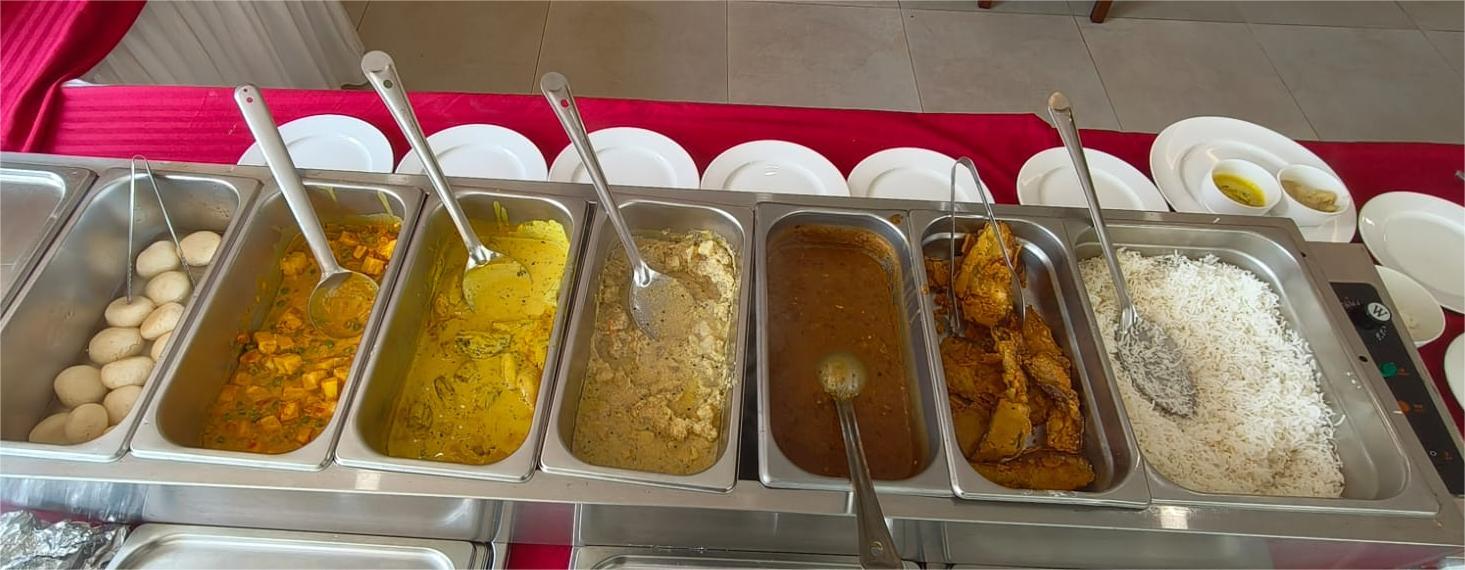
Protein, calcium, fibre, and fluids: a simple checklist families can follow
Use this as a quick daily scan, not a strict rulebook:
- Protein twice or more: dal, chana, rajma, besan, sprouts, eggs, fish, curd, paneer, soy.
- Calcium most days: milk, curd, ragi, sesame (til), calcium-set tofu.
- Fibre daily: oats or dalia, whole grains as tolerated, fruits, cooked veg, beans.
- Fluids spread out: water, chaach, soups, thin dal, coconut water (as suitable).
Two common gaps after 60 are vitamin B12 and vitamin D. It’s sensible to ask a doctor if testing is needed, then follow medical advice on supplements.
For some people, a change of routine helps habits stick. A senior wellness retreat or residential retreat can support that reset by pairing regular meals with gentle movement and social time.
Make it stick when life gets busy, or when parents live away from you
Distance changes everything. When you’re not there, meals can become irregular. Loneliness can shrink appetite. Helpers may cook the same few items every day because it’s easy. Parents may also underplay problems, so you hear “I ate” when it was only tea and toast.
Start small and make it practical. Ask for one photo a day of a main meal. Set a shared hydration reminder. Keep “easy proteins” at home, like curd, paneer, eggs, roasted chana, and ready-to-cook dals. If chewing is an issue, request softer cooking rather than removing protein and vegetables.
If you’re considering an old age home or an elder care home, food isn’t a side feature. It’s daily health support. Look for places that can adapt texture, timings, and medical needs, and that can explain their choices clearly.
Food support in old age homes and retreats: what to ask before you choose
Before choosing a 5-star old age home in Kolkata, a senior wellness retreat, or a residential retreat, ask these questions:
- How often is protein served each day, and what are the sources?
- Are diabetic-friendly meals available, with controlled sweets and refined carbs?
- Can the kitchen cook low-salt without making food bland?
- Do they serve seasonal vegetables and a daily fruit option?
- Do staff offer hydration rounds, especially in hot months?
- Can they provide texture-modified food (soft, minced, pureed) if chewing is hard?
- Is a dietician available, or is there a process for diet changes after a doctor’s note?
- Are meal times fixed, and can snacks be added for small appetites?
Conclusion
Eating well after 60 doesn’t need complicated rules. Plan around the body changes, lower appetite, slower digestion, weaker thirst cues, then build a steady plate with protein, cooked veg, calcium foods, and regular fluids. Routines matter as much as recipes, and the right support can make routines easier, whether at home or in care.
Pick one change for this week: add protein at breakfast, add a fruit snack, or set a hydration reminder. Small steps, done daily, protect strength and independence for the long run.
Frequently Asked Questions (FAQs)
- Do nutritional needs change at different ages?
Yes, as we age, the body requires fewer calories but higher amounts of protein, calcium, and fibre. At Jagriti Dham, meals are specifically recalibrated to provide these dense nutrients in soft, easily digestible forms like Dalia and sprouts to support changing metabolic needs.
- Do you think nutrition influences how well one ages?
Absolutely, as nutrition is the foundation of senior independence and vitality. Jagriti Dham prioritises balanced, low-sodium Indian diets that help residents manage chronic conditions and maintain the physical strength needed to enjoy a vibrant, active community life.
Stay connected with our vibrant community and keep up with our latest updates by following us on Facebook, YouTube, Google My Business, LinkedIn, and Instagram.