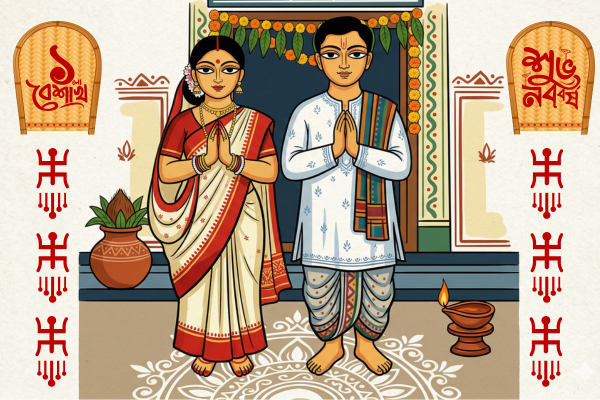
এসো হে বৈশাখ এসো এসো
– Rabindranath Tagore

The Architecture of Time: A Reflection on Poila Baishakh
April in Bengal is not something that arrives, but rather settles on the landscape like a thick dust that is both heavy and luminous. It is a month that is defined by a particular geometry of shadows, by a sun that turns the terraces white by twelve o’clock, by a shimmer that hangs in the air, the melting asphalt of city streets. There is a deep lethargy to the afternoon, punctuated by the rhythmic ticking of a ceiling fan or the sharp, lonely cry of a brainfever bird. But it is in this crucible of the dying, exhausted Chaitra, and the arriving, fierce Baishakh that the Bengali soul finds its most profound moment of transformation. Poila Baishakh, the first day of the Bengali calendar, is not so much a loud festival as a quiet, annual assertion of identity, drawn on the topography of starched cotton, the smell of fresh ink, and the fierce, explosive beauty of the afternoon kalbaishakhi storms.
A Calendar Born of the Soil: Tracing the Origins of the Bangabda
To understand the origins of the Bengali calendar, or Bangabda, as it is called, one has to look away from the arbitrary divisions that clocks impose on time and look down at the earth. The division of time in the delta has traditionally been determined by the swelling of the rivers, the change in wind direction, and the ripening of paddy.
The most reliable historical accounts point to the 7th century as the period when the origins of the Bengali calendar were laid. The Bangabda is essentially a solar calendar, heavily influenced by one of the oldest known books on astronomy, the Surya Siddhanta. The calendar was intended to function in perfect synchronisation with the solar cycle and the six distinct seasons that this part of the world experiences. The formalisation of this calendar by King Shashanka, ruler of the Gauda Kingdom, in 594 CE was one of the most significant acts in grounding civilisation on the earth that it inhabited. The beginning of the year synchronised flawlessly with the post-harvest season, a beautiful system in which timekeeping was inextricably linked with sowing, reaping, and paying debts. It was a calendar that was not imposed but emerged organically out of the earth.
Remembering the True Essence: Noboborsho in Early Days
In the old days, the advent of the new year was symbolised not only by the turning of the page on the calendar on the wall, but by a change in the ambience at home. The floors, painted in red oxide, were washed with water, and an air of joy hung in the inner courtyards.
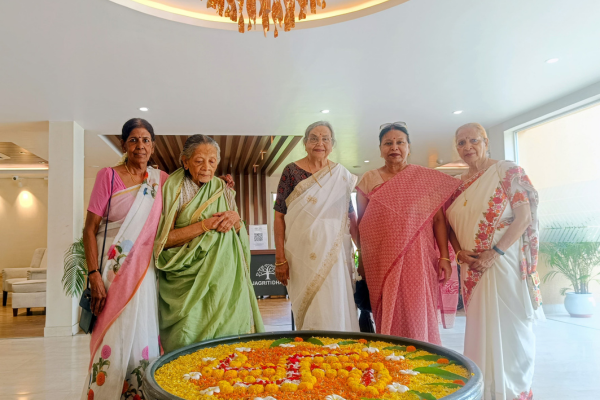
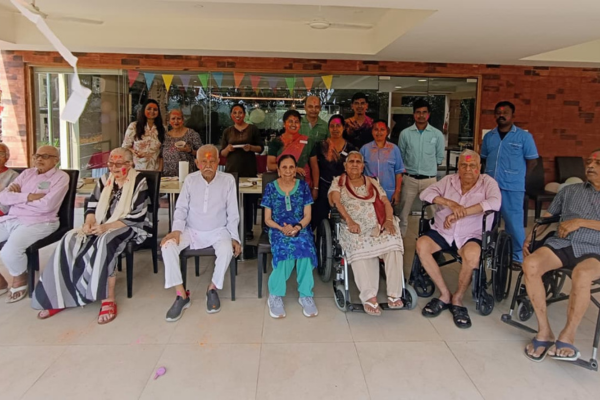
Seated in the library of Jagriti Dham – a luxurious old age home in Kolkata, with the sunlight filtering through the leaves of the trees and casting long shadows on the well-clipped lawn, the eyes of our eighty-eight-year-old resident travel back in time. He fixes his memory on North Calcutta in the late nineteen-forties.
“The Poila Baishakh of my childhood,” he says, his voice cracking with the dry, papery quality of the old ledgers he spends his days surrounded by,” was a profound experience. “I recall my father taking me to the local marketplace in Hatibagan. The floors of the jewellery stores and the cloth stores were all covered in spotless white sheets, the farash. We had to remove our sandals before entering. The air was thick with the smell of sandalwood incense and the heavy, intoxicating sweet smell of jasmine garlands draped around the cash box.”
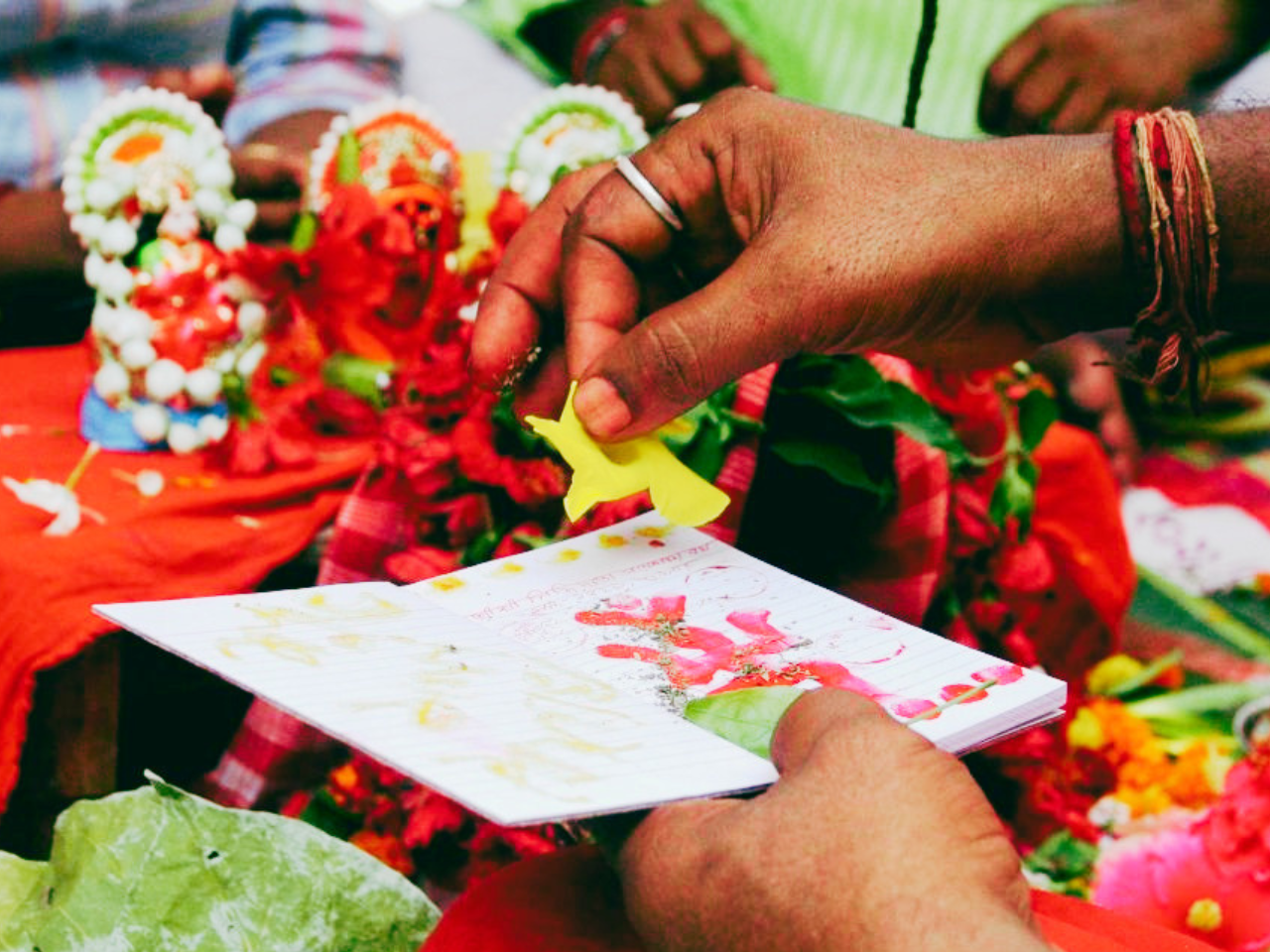
He pauses, with a smile on his face at some memory that has brought that smile from a great distance. “This was the ritual of the Haalkhata. The shopkeepers and businessmen, who had spent the year mining the best possible bargain, were now courteous hosts. The new ledger, wrapped in red cotton cloth, carried with it the scent of fresh paper and promise of better business in the coming year. As the priest drew the vermillion swastika and the symbol of Ganesha on the first page, the gleaming red ink catching the light in the dim store, we were not merely keeping our accounts; we were reaffirming our position in the community. The shopkeepers offered us rose syrup in brass glasses and a small square cardboard box of sweets. The neighbourhood was ours, and we were theirs. It is this feeling of quiet, enduring belonging that we attempt to recreate here, amongst ourselves, as we greet each other on the morning of Noboborsho – Shubho Noboborsho.”
Poila Baishakh and Bangaliana in the Global Age
Today, the topography of Poila Baishakh has changed. The focal point of the celebration has moved from the local neighbourhood businessmen to the air-conditioned corridors of shopping malls and the fleeting realm of the digital ether.
The tradition of the Haalkhata lives on, but not as an economic imperative in an age of digital accounting and cloud computing. The new clothes are not measured and marked on the local tailor’s chalkboard weeks in advance, but ordered online and delivered in plastic layers. The gentle, physical touch of the feet of the elder members of the family has given way in many families to an avalanche of graphics and Shubho Noboborsho messages that arrive simultaneously on mobile phones.
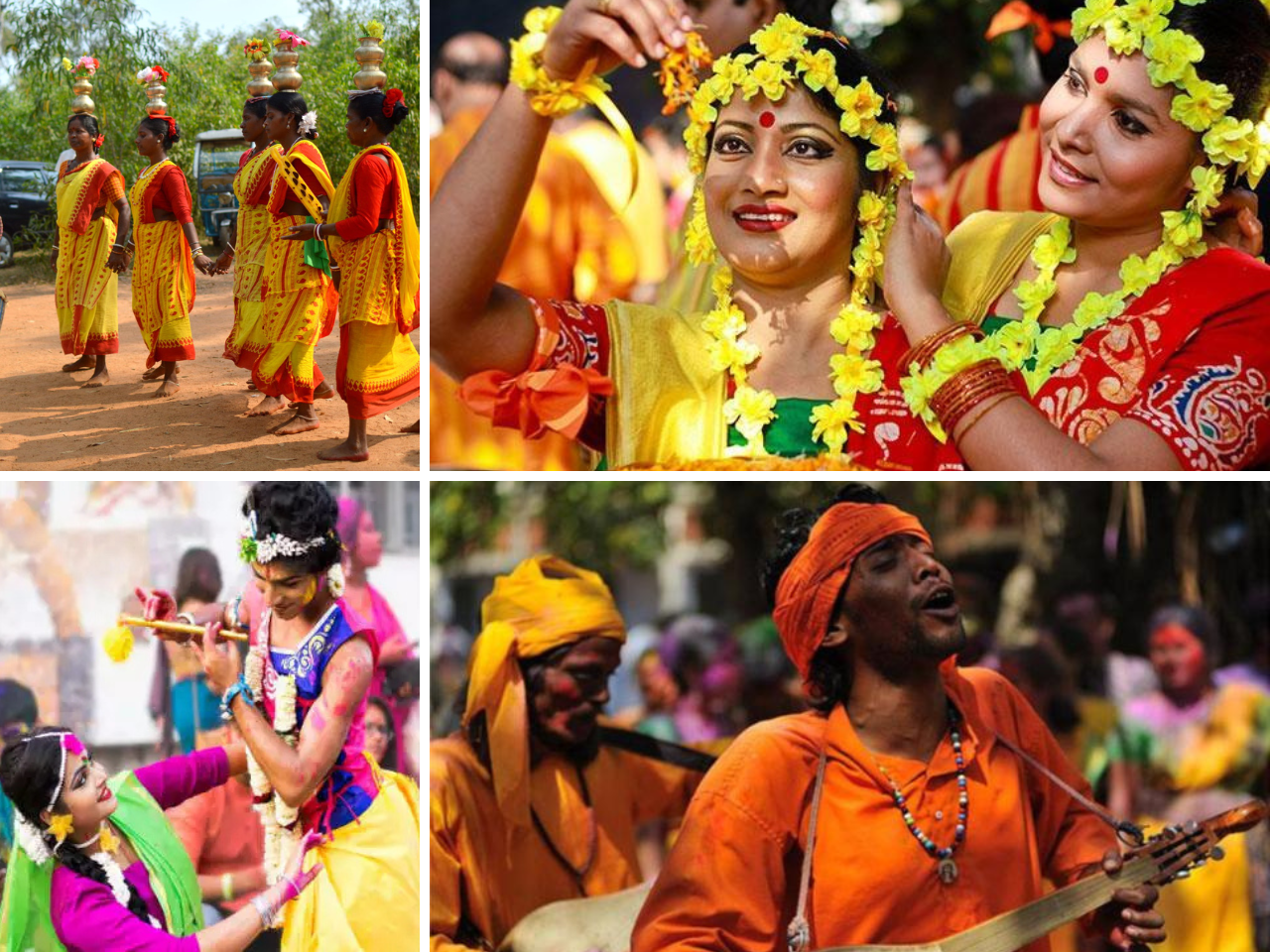
Nevertheless, it is an exaggeration of the greatest degree to suggest that the festival has lost its significance. The modern Bengali utilises the festival of Poila Boishakh as a necessary, deliberate marker. In an increasingly globalised world, this day is an expertly crafted celebration of Bangaliana. Restaurants with elaborate thalis are booked well in advance. The desire to wear a handloom saree, or a crisp, starched Punjabi, is a powerful, unifying act of cultural performance that has not changed, even though the medium has changed, the tempo has quickened, and the desire remains, even though the lights are neon now.
Shantiniketan: Poila Boishakh Under the Chhatim Tree, Then and Now
Nowhere has the aesthetic of Poila Baishakh been articulated as thoughtfully as in Shantiniketan. Rabindranath Tagore had envisioned the new year as not a noisy celebration, but a quiet, contemplative communion with nature.
In the city, Poila Baishakh was intimately linked with business — the Haalkhata, the closing of debts, the smell of new ledgers, and the business exchange of sweets. But Tagore’s vision of life in Brahmacharya Ashram was profoundly detached from business and harmonised with the earth. He desired to reclaim the new year from the business community and return it to nature.
He viewed Baishakh as something more than just a change of dates. It was the ascetic force of Taposh to him. The intense heat of Birbhum summer, which scorches the reddish Khoai soil until it cracks, was to Tagore a fire of purification. It was nature divesting itself of all ornament, burning the dead leaves and decay of the past year to prepare the earth for the ultimate salvation of the monsoon. Hence, the festival that Tagore created in Shantiniketan was not to be a loud, joyful affair, but a contemplative, philosophical communion with nature in all her severity. Tagore based the festival near the Chhatim tree, the very spot where his father, the great Maharshi Debendranath Tagore, had once had a profound spiritual awakening. It was a deliberate architectural statement of the spirit, one of introspection instead of commerce.
Then: The Ascetic Morning: Poila Baishakh at the ashram was an experience of great wisdom and ascetic meditation. There was no demand for new and expensive clothes. The ashramites were dressed simply and plainly in white cotton. The day began with the Vaitalik, or the morning choir, proceeding slowly through the dusty red soil of the pre-dawn darkness. The invocations of the dreadful beauty of the summer months were sung through the profound silence of the landscape before the sun broke through.
The assembly at the Upasana Griha and under the shade of the Chhatim tree was characterised by silence that is difficult to comprehend today. There were philosophical discourses, often by Tagore himself, on the passage of time and the soul’s relation to the universe. The singing of Rabindra Sangeet was not an event; it was an offering. It was an occasion that required a deep and respectful acknowledgement of the arid heat, a conscious surrender to the ascetic breath of Baishakh.
Now: The Spectacle and The Spirit: The landscape of Shantiniketan on Poila Baishakh has changed vastly. Today, it is a spectacle. It is fuelled by the urbanite’s nostalgia for a bygone era. It attracts thousands of tourists from Kolkata and beyond, all eager to consume the ‘Tagorean aesthetic’ on a weekend outing. The narrow paths are congested with vehicles, and the silence is often punctuated by the sheer numbers of tourists in their designer, boutique handlooms, eager to snap the artistic moments on their mobile phones. The simple white cotton has given way to a spectacle of enactment.
But to write off this new festival as being superficial would be to ignore the underlying beat that continues to pulse through this new celebration. If one were to look beyond the throngs of people and the commercialisation that has inevitably seeped into this new festival, one would see that the basic rituals that were established by Tagore remain as unwavering as ever. The students of Visva-Bharati still rise before the sun. The Vaitalik still makes its way through the campus. The prayers under the Chhatim tree still take place with as much stringent dedication as ever. For that brief, magical instant, just as the sun is rising, before the outside world intrudes with its cameras and their noise, the eternal, introspective essence of the ashram is on display, demonstrating that while the crowd has changed, the sanctity of the invocation has not.
Taste from the Past: The Aromas of Noboborsho
The arrival of Poila Baishakh not only marks the beginning of the year with the promise of fresh pages in the Haalkhata but also with the promise of an intricate, rich symphony of scents that emerge from the kitchen. It is the day when the scorching heat of the new season is tempered by the comforting, pungent sting of the mustard oil as it heats to the smoking point in the heavy cast-iron korai. The culinary landscape of Noboborsho is constructed around the idea of anticipation, the earthy aroma of the whole spices as they are ritually crushed on the stone shil nora, the tang of the tamarind, and the sweet, lingering perfume of the boiling milk as it slowly cooks to the creamy payesh. These are not just scents, but an inheritance, an ancestral legacy that speaks of the promise of the traditional Bengali home and the language of love that it embodies.
Seated in the sunlit dining hall of Jagriti Dham – a luxurious old age home in Kolkata, our eighty-two-year-old resident closes her eyes, allowing the fragrance of the special lunch organised by the community’s residents specifically for the occasion of Noboborsho to transport her back to a sprawling courtyard in nineteen-fifties Ballygunge. “There were no caterers then, only the women of our house managing a grand, chaotic alchemy,” she reminisces, her lips curving into a wistful smile. “I remember the smell of the scorched skin of green mangoes roasted over the dying coals of the fire pit, preparing the aam pora shorbot, along with the rich, heavy smell of the kosha mangsho cooking away in the kitchen for hours. The children of the house would stand at the threshold of the kitchen, waiting for that first, impossibly flaky luchi to emerge from the bubbling ghee. Now, as we enjoy these festive meals together with our friends, I am not just eating the shukto, the mishti doi; I am eating the carefree afternoons of my youth, the sound of the clicking bangles of my mother as she served us the food.”
Now, in the present day, as the rhythm of life has increased in speed and the spacious ancestral kitchens have largely been transformed into modern, compact kitchens, the desire for the recreation of this sensory experience remains an unyielding anchor of our culture. The Noboborsho feast has been a temporal bridge, effortlessly linking the digital present with the deeply tactile past. Whether it has been curated in a bustling restaurant in the metropolis or it has been shared in the serene, community-rich environment of a senior living home, every bite of the echorer dalna or mustard-soaked ilish is a thoughtful act of remembrance. It is a delectable reminder that as calendars turn and eras pass, the essence of the Bengali New Year remains forever preserved in the timeless, evocative scents of its cuisine.\
Lesser-Known Facts of the Bengali New Year
Apart from the well-known rituals, Poila Baishakh also has some less well-known traditions, which provide the undertone to the day.
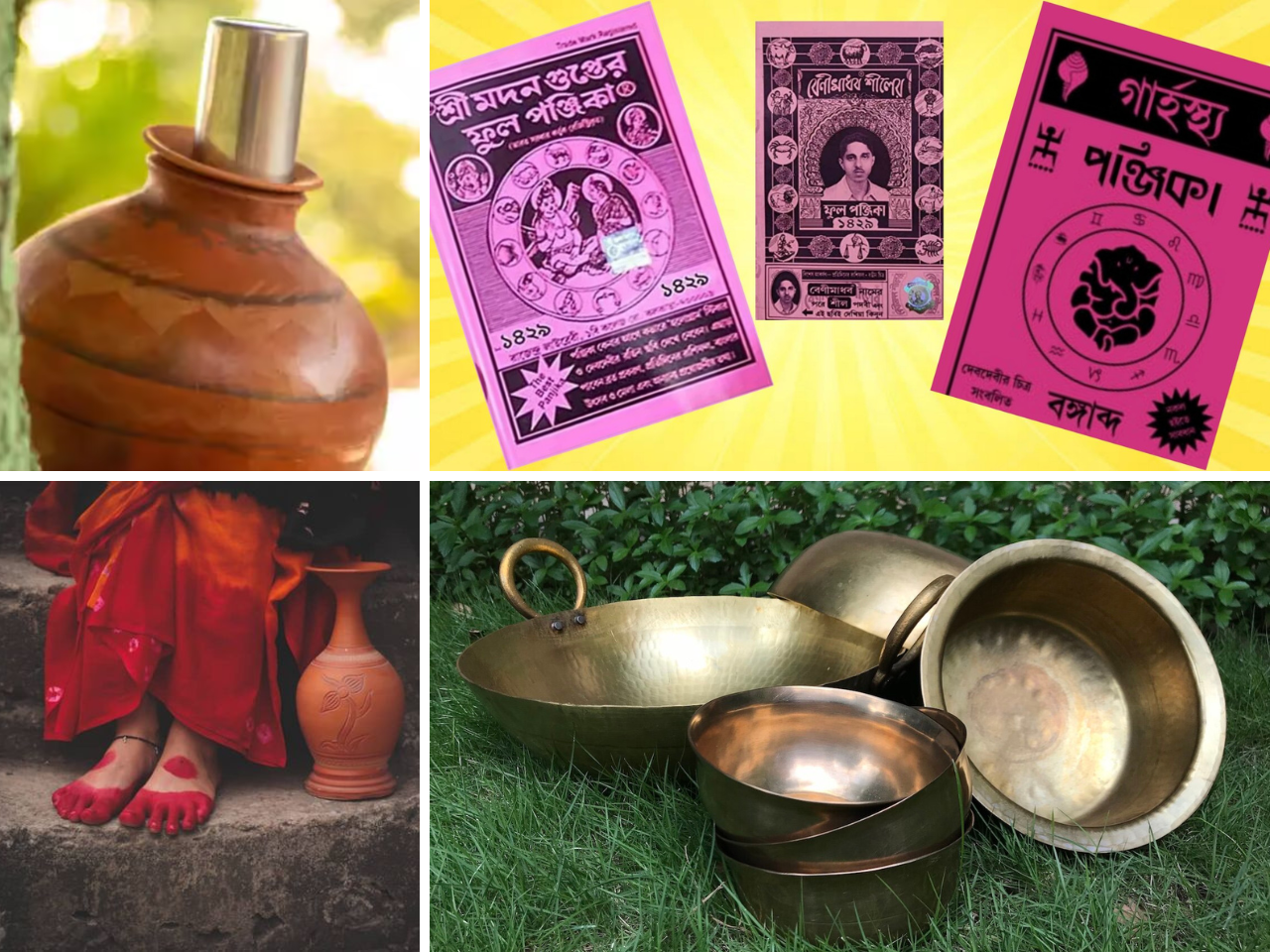
The Architecture of the Panjika: Well before the advent of the first day, the temporal landscape had already begun to shift with the purchase of the new Panjika (almanack). It was an old, shoddily bound volume, the pages made of cheap, pinkish-yellow paper. The first true olfactory indicator of the arrival of the new year was the pungent smell of the fresh, harsh ink and binding glue.
The Tamarind Polish: The run-up to the arrival of Baishakh had been characterised by an austere, almost ascetic quality in the home. The Thakur Ghar (prayer room) had been dismantled, and the brass and bell-metalware, the koshakushi, the lamps, the plates, had all been thoroughly cleaned with tamarind fruit and ash. The pungent, sharp, almost acrid smell of the tamarind fruit, combined with the tactile sensation of the metallicware, had served as an indicator of the spiritual awakening that was to follow.
The Bitter Morsel: The feast of Poila Baishakh did not begin with sweetness, but with a deliberate, philosophical acceptance of the harsh. The very first morsel of rice eaten on this day was traditionally mixed with neem pata bhaja (crisp, fried neem leaves) or a piece of bitter gourd. It was an ingestion of the bitter, a bodily preparation for the scorching summer and the inevitable sorrows of the coming year.
The Alchemy of the Gandhabaniks: While the city was busy with the celebration of trade, there was another, more pungent ritual taking place in the narrow streets of the spice and perfume merchants’ colony. The Gandhabaniks celebrated the worship of Gandheswari, the incarnation of the Goddess. Their offerings lay not in gold but in the pungency of sandalwood, camphor, and attar, praying that the essence of the perfumes and the volatile nature of the scents would not disappear in the summer heat of Baishakh.
The Wet Red Hem of Aalta: The morning of the new year was set aside for the women of the house with a special ritual that involved the careful application of the bright liquid red of the aalta dye onto the hem of the feet. For a few hours, until the drying took place and the bright red turned to a powdery pink, the wet aalta would leave its temporary marks on the cool red oxide floors of the courtyard in the form of floral patterns.
The Resetting of the Clay: Noboborsho silently demanded the retirement of the old earthen water pots. The kalsi and the knujo, the old clay pitchers of the previous year, their pores clogged by the passage of time, were replaced by the fresh, unbaked clay. The smell of the first water poured into the fresh, dry earthen vessels, that sudden, dusty exhalation of the baked mud, was the very smell of the earth renewing its promise of quenching the summer’s thirst.
The Arithmetic of Forgiveness: The Haalkhata was traditionally the ledger of new accounts, but the lesser-known, lesser-used fragment of the Haalkhata was the silent erasure of the old, unpayable accounts. Between trusted neighbours and grocers, debts that could not be settled were quietly struck off the old account books before the new red cloth ledger was opened.
The Ascetic Bath: The first bath of the year was not a hurried, modern affair. It was an elaborate, cooling bath. The water, collected early in the morning, was steeped with the leaves of the Neem tree, raw turmeric paste, and at times, the bark of certain trees. It was an astringent, medicinal bath, stripping the skin of the languor of the past year.
The Winding of the Clock: In an era before the advent of the digital clock, the passing of the year was marked by a physical intervention with time itself. The eldest member of the house would ceremoniously take the brass key and wind the heavy, pendulum wall clock. The loud, metallic ratcheting sound echoing in the quiet morning room was the literal tightening of time’s mainspring for another twelve months.
The Profound Afternoon Stillness: Perhaps the most forgotten part of Poila Baishakh is the actual afternoon. After the heavy lunch, a profound and unyielding silence would descend upon the neighbourhood. The heat would radiate from the terraces, and the streets would be deserted. All that could be heard was the solitary and melancholy cry of a brainfever bird. It is in this heavy and suspended silence that the new year would settle into the bones of the city.
Poila Baishakh in the Independence Movement
However, it is a mistake to think of Poila Baishakh solely in terms of the home and the marketplace. It has also been a powerful tool in politics. During the Indian Independence Movement, especially in the run-up to the Partition of Bengal in 1905, cultural festivals were used as a weapon against colonial rule.
The Swadeshi movement revolutionised the way in which Noboborsho was observed. The purchase of new clothes, an important aspect of the day, was a highly politicised act. Bengalis were exhorted to boycott the purchase of British mill cloth, or Manchester cotton, and buy khadi instead. Wearing a khadi punjabi on Poila Baishakh was no longer merely an economic statement, but a loud and proud statement of defiance.
Moreover, the day was also utilised for Swadeshi Melas. These were not merely markets, for these were also venues for nationalistic activities. Under the guise of celebrating the New Year and encouraging Swadeshi products, freedom fighters would assemble and disseminate information and distribute pamphlets. The Haalkhata ceremonies conducted in the markets of Burrabazar and College Street were also venues for raising funds for the underground revolutionary movement. The British authorities were also careful to monitor these massive gatherings, for they were aware that beneath all these exchanges of sweets and greetings, a web of resistance was being spun.

Lost Recipes of Poila Baishakh
The architecture of traditional Bengali New Year cuisine does not exist in any book in precise measurement, but in the muscle memory of grandmothers and in the weathered and scented pages of inherited diaries. In these quiet corridors of Jagriti Dham, in this sunlight, people talk about these phantoms of cuisine, these meals that asked for time, a commodity we have lost in our modern world.
These are four recipes, and they are not just recipes, but blueprints for a forgotten Baishakh.
From the Jorasanko Kitchen: Aam Kasundi Begun
The culinary tradition of the Tagores was characterised by intellectual sophistication, taking the simple, everyday ingredients of the Bengal delta and transforming them into something new through subtle, unexpected marriages. This vegetarian dish was no exception, combining the fleshly comfort of summer eggplant with the sharp, acidic bite of early Baishakh.
- The Preparation: Large, purple eggplants were sliced into thick, substantial disks, lightly scored, and smeared with turmeric and salt. They were then slowly fried in smoking mustard oil until they were caramelised, with the inside giving way to a custard-like softness.
- The Alchemy: The magic in this dish was in the gravy, as freshly grated raw green mango was ground into a potent, pungent paste with the shil nora, with yellow and black mustard seeds, a touch of green chilli, and sugar. This was then lightly mixed into the oil left in the korai, which was never allowed to boil furiously, lest it turn bitter from the mustard seeds. The eggplants were then added to this bright, sunny dish, one that was imbued with the dark, loamy scent of summer eggplant and the sharp, bright scent of summer sun.
The Ancestral Coolant: Thakumar Aam Pora Shorbot
In the days of yore, when there were no refrigerators, the only solace from the unrelenting heat of April was this smoky, intensely nourishing concoction. It was a drink made of fire, created to combat the fire of the sun.
- The Ritual: The ritual began at the ash-encrusted mouth of the clay stove. Firm, dark green mangoes were buried in the dying, glowing embers of the morning’s cooking fire. They were left there until the blisters, the char, and the brittleness of the mango’s skin were achieved, the air heavy with the acrid smell of burning resin.
- The Assembly: After the mango had cooled, the charred, blackened skin of the mango was peeled off by the patient, soot-stained hands of the cook, to reveal the pale, olive-green pulp of the mango, steamed to perfection in its own juices. The pulp of the mango, mashed into chilled water stored in an earthen vessel, was vigorously mixed with roasted cumin powder, black rock salt, and coarse sugar. In brass glasses, the concoction had the distinct, unmistakable taste of the charred earth.
The Lost Vegetable: Kumro Patay Mora Musur Dal
The current Poila Baishakh menu, with its focus on rich and creamy gravies, is a far cry from the sophisticated and refined sensibilities of the old agrarian diet, which placed a strong emphasis on the subtle art of steaming, or ‘bhaapa,’ and the preservation of the original integrity of the ingredients. This dish, once a staple of the New Year, has completely disappeared from the modern menu owing to the sheer time and patience required.
- The Architecture: Young, tender pumpkin leaves or ‘kumro pata’ were selected, cleaned, and lightly blanched to give them pliability. At the same time, red lentils or ‘musur dal’ were soaked and ground into a coarse, thick paste with green chillies, grated coconut, a liberal amount of raw mustard oil, and a pinch of salt.
- The Execution: A small quantity of this pungent lentil paste was placed in the centre of a pumpkin leaf. The leaf was then carefully folded and tied up in a neat little square parcel using a cotton thread. These green parcels were then placed in a covered brass bowl and steamed in boiling rice water. The parcels, when untied and placed on the plate, had changed into a soft, dark green leafy covering, and the lentil paste had changed into a firm and flavourful cake, redolent with the aroma of steamed mustard oil.
The Forgotten Sweet: Ranga Alur Pantua
Today, the sweet box in a Noboborsho sweet hamper is dominated by commercial rosogollas and sandesh. In the pre-sweet shop era, the afternoon was spent on domestic magic in making sweetmeats from scratch. The Ranga Alur Pantua was a masterpiece of frugal ingenuity.
- The Dough: The leftover red sweet potatoes from winter, known as ranga aloo, were boiled to a state of extreme tenderness. They were peeled and kneaded vigorously with a small amount of flour and homemade chhana. Kneading was continued until all starchiness was gone, and a smooth dough was obtained.
- The Fry and Soak: The dough was shaped into small, elongated balls between oiled hands. At times, a single cardamom seed or raisin was placed in the dough. These were fried in ghee on a low flame. The slow frying was critical in achieving a dark mahogany crust on the outside, along with a porous interior. Immediately after frying, they were plunged into a light sugar syrup with crushed green cardamom. The earthy sweetness of these fried sweet potatoes is beyond what refined sugar can achieve.
The Eternal Return
Poila Baishakh is, at the end of the day, a celebration of endurance itself. It occurs at the worst time of the year, requiring us to look at the dry earth, the blistering sun, and still find ways to celebrate the possibility of the monsoons, the harvests, and the future itself. Be it calculated by ancient kings gazing at the night sky, be it celebrated with coarse homespun cloth as a rebellion against the status quo, be it observed with the stillness of the Shantiniketan groves or fondly remembered through the haze of culinary nostalgia at the Jagriti Dham, the first day of Baishakh itself is a celebration of the need to pause and make amends with the past—financial and emotional—and begin anew with the quiet hope that the next year will be kinder, cooler, and more abundant than the one before.
About Jagriti Dham
This guide was curated by the Jagriti Dham (https://www.jagritidham.com/) team. Jagriti Dham, Kolkata’s most luxurious senior citizen home and Eastern India’s first IGBC-certified Green senior living facility, was visualised as creating a centre of excellence incorporating special amenities to aid the holistic development of senior citizens. It promotes the concept of active ageing and aims to create an age-integrated society where elders can live independently while receiving the best possible care through assisted living. Unlike other old age homes, Jagriti Dham’s vision extends beyond the walls, allowing elders to have a hassle-free life in a peaceful, like-minded community.
Experience Jagriti Dham
Stay connected with our vibrant community and keep up with our latest updates by following us on Facebook, YouTube, Google My Business, LinkedIn, and Instagram.