Author Archives: JAGRITIADMIN

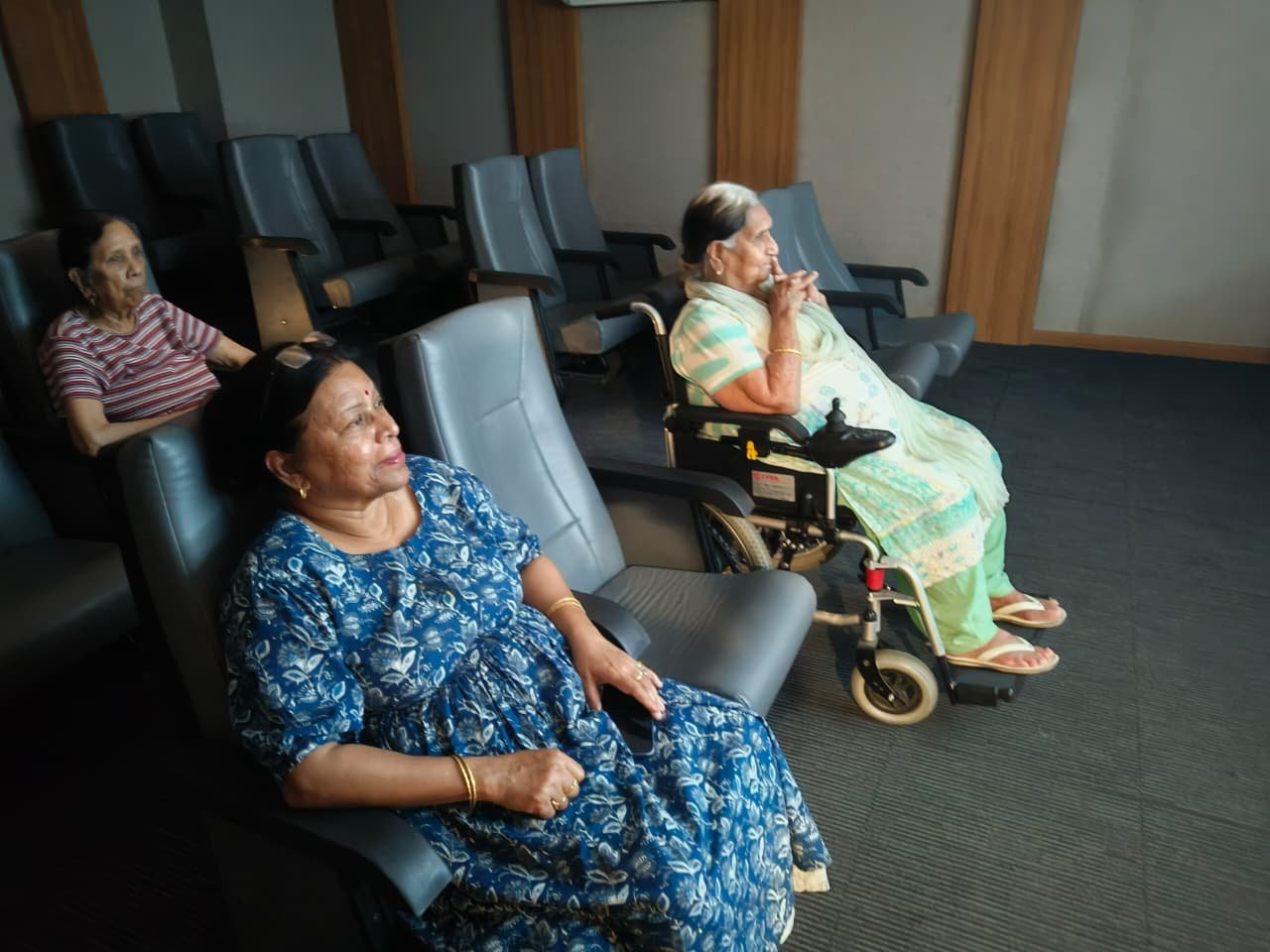
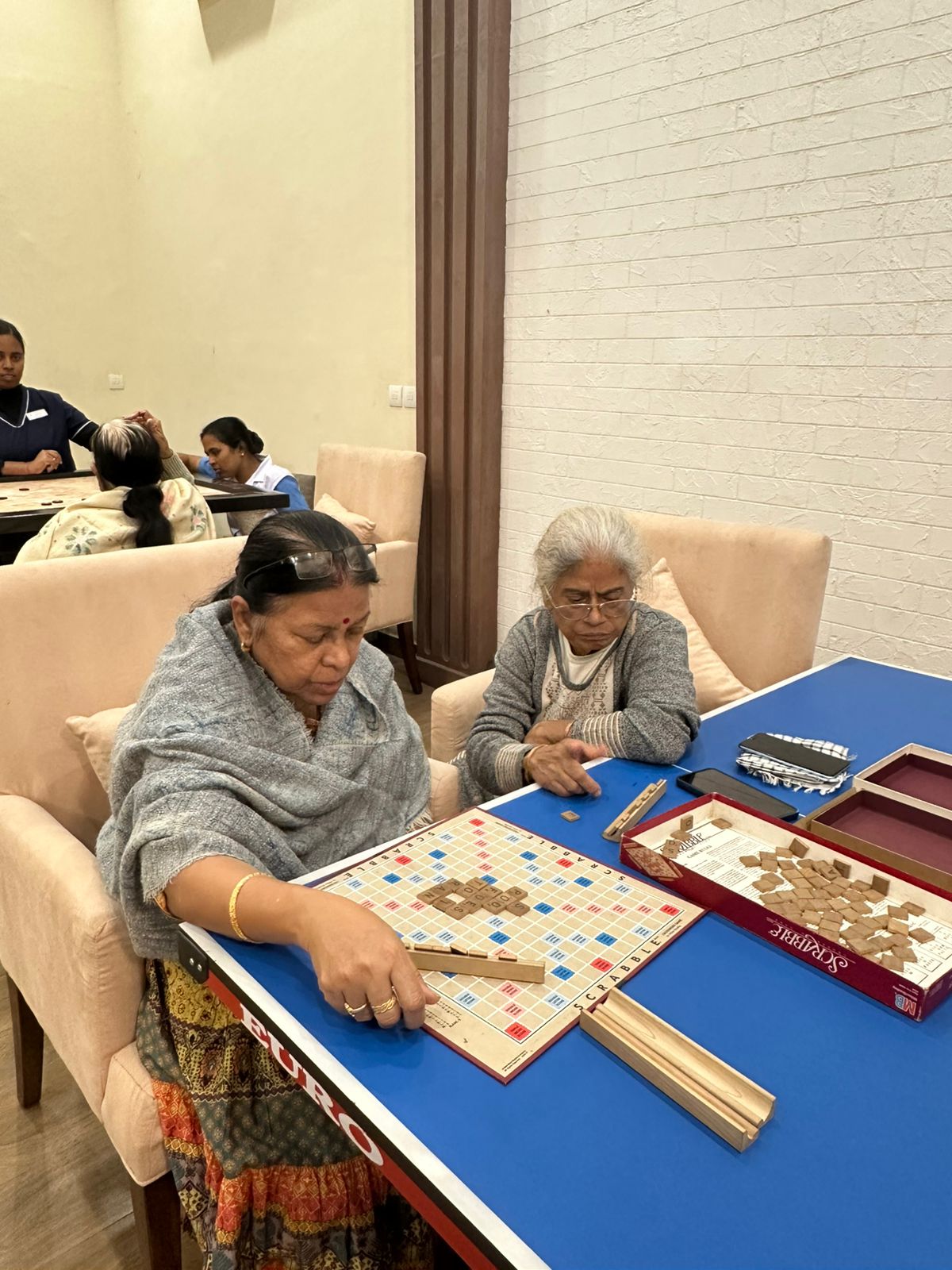
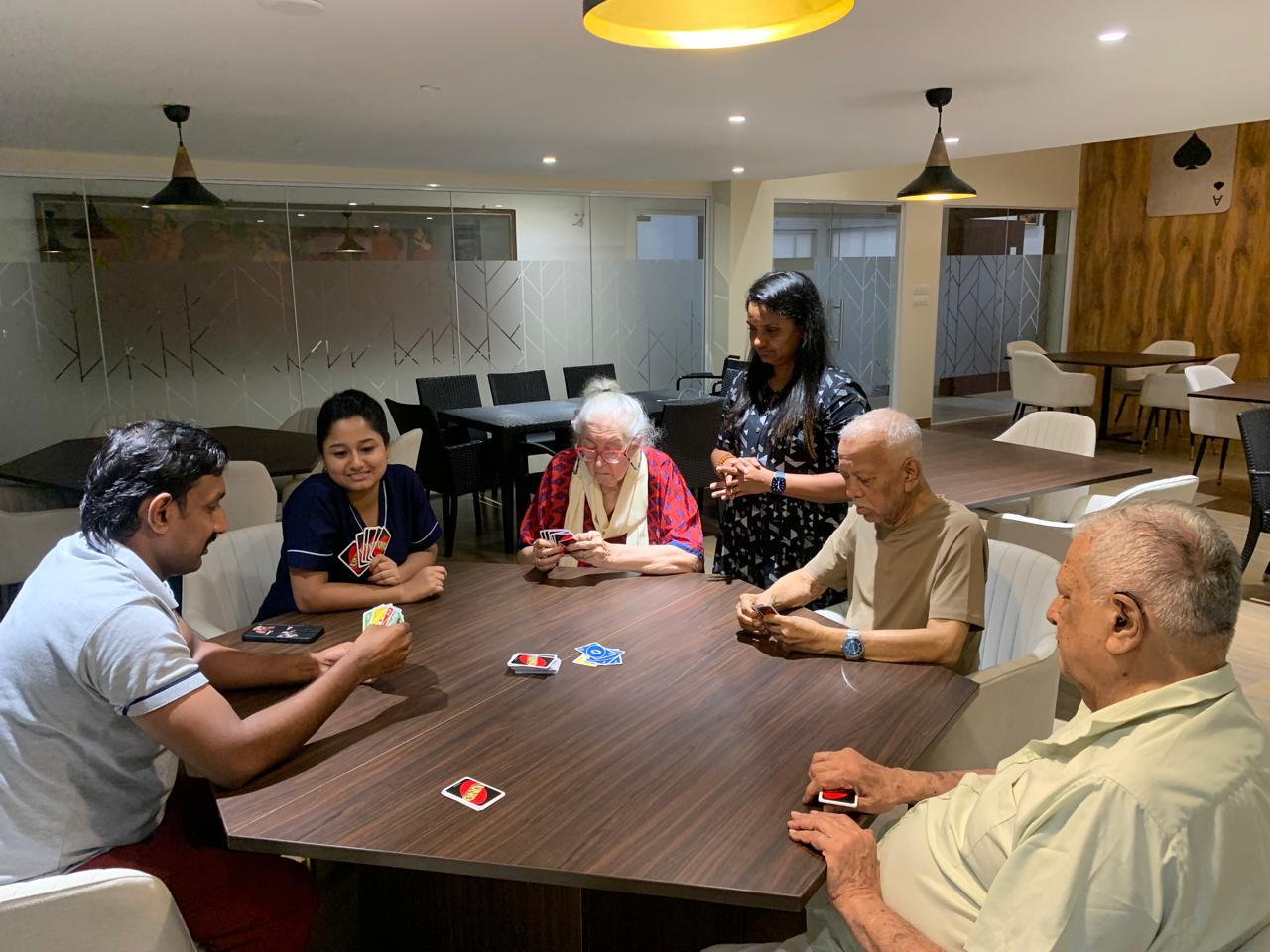
Cognitive session at Jagriti Dham- the luxurious old age home in kolkata

Guide to Choosing a Luxurious Old Age Home in Kolkata: Features That Matter Most

The city of Kolkata is witnessing a massive transformation in how families are approaching eldercare. Gone are the days when retirement years meant isolation. With the evolution of luxurious old age homes in Kolkata, the concept is now about embracing a new chapter of life. Let’s look at the key factors to consider before choosing one for comfort, care, and a vibrant lifestyle.

Retirement is no longer about spending life in isolation, neglected and devoid of purpose. Instead, it is about embracing a new chapter filled with renewed meaning in comfort and dignity. 

A few years back, transitioning to a retirement community was all about necessity rather than a choice. It was considered a last option and associated with a negative perception due to loss of freedom, reduced social interaction and removal from mainstream life. 

However, the idea of living retirement years has completely changed. With the increasing establishment of luxurious old age homes in Kolkata, the concept has been redefined, primarily focusing on the holistic well-being, independence, comfort and dignity of the elderly. 

For a retirement entirely free of everyday chores and worries, the “City of Joy” now features numerous upscale communities prioritising convenience. Hence, choosing the one that truly meets the evolving needs of today’s seniors becomes confusing at times. 

There are key features that truly matter when searching for a luxury senior living community in Kolkata. Let’s explore them in this blog. 

How is the shift from traditional retirement houses to luxurious old age homes changing elder care? 

The words “old age homes” carry a silent stigma. The idea of sending the aged parents or any other family members is considered a taboo associated with negative perceptions, such as abandonment and lack of responsibility. 

Previously, whenever anyone thought of considering senior care housing for their aged loved ones, the first thing that came to their minds was guilt. This societal pressure was the main reason that prevented many individuals from searching for a senior living community, keeping their aged family members at home, where, at times, their physical and emotional needs were not possible to meet, as they deserved. 

But as societal dynamics are changing, so is the perception of ageing. Modern senior living retirement homes have redefined retirement life by offering vibrant communities along with premium amenities and services. 

Today’s reality of senior housing is quite different from conventional ones. Nowadays, families, especially children, do not question themselves, “What will people say?” while shifting their parents to a specialised senior care centre. 

Instead, they are recognising these communities as spaces that foster independence and well-being and help build meaningful social connections, making sure that the golden years of the senior citizens are not just lived but truly enjoyed.

Reports suggest that seniors, mostly in the age group of 65-74 years, contribute to about 41.90% of overall occupancy at luxury senior living complexes. In fact, they are voluntarily moving to senior living facilities since they value active ageing and prefer socialisation at that age.

This shift is clearly visible in Kolkata with the popularity of luxurious old age home in Kolkata like Jagriti Dham, which creates a welcoming and nurturing environment for its residents. 

luxurious old age home in Kolkata, senior citizen accommodation, care homes for seniors, active senior communities in India, old age home at Kolkata, senior living facilities in Kolkata, residential retreat, Top 10 luxury retirement homes in India with price, Luxury old age homes in India, Best luxury old age homes in India, retirement community, active senior communities in India, senior citizen accommodation, luxury senior citizen apartments in Kolkata, Jagriti Dham, elder care homes for seniors, premium senior care India

What to look for while choosing luxurious old-age homes? 

Choosing a luxury senior living retirement home is not just about having a shelter over one’s head. It is finding a place that comes with professional care, offering peace of mind to both the elderly and their families. 

  • Quality of the staff and medical team 

The first step before moving to a modern luxury senior living community is to check if they prioritise the health of the residents. Look for a facility that has on-site doctors, nurses and attendants for regular check-ups. Enquire if they have tie-ups with leading hospitals and provide an ambulance on call during emergencies. 

The healthcare support provided to the seniors at Jagriti Dham is top-notch. We always maintain a proper staff-to-resident ratio. We ensure that every resident receives personalised care tailored to their specific needs and preferences. 

  • Infrastructure and amenities 

One of the primary features of luxury retirement homes is the kind of infrastructure and purpose-driven amenities they offer. Jagriti Dham is thoughtfully designed, keeping the needs of the seniors in mind to offer both comfort and convenience. Our residents have access to spacious accommodations that promote warmth and security. 

We are also equipped with high-end amenities for a premium lifestyle that include an in-house library, gymnasium, games room, cards room, conference hall, AV theatre, landscaped gardens, a Krishna temple and more. 

  • Dining and nutrition 

When evaluating a luxurious old age home in Kolkata, don’t forget to check their meal and dining services. In most of the senior citizen homes, food is not just a basic necessity, and we are no exception. Nutrition at Jagriti Dham is a part of their wellness programme that greatly impacts their health and overall well-being. Our philosophy is, “True wellness begins from within.”

We have our in-house chef who provides freshly prepared, wholesome and delicious meals to the residents 4 times a day. Our diverse menu includes a variety of Bengali, South Indian, North Indian, Chinese, and Continental dishes, catering to different flavours and preferences. 

  • Activities and events 

Another major factor to look for is the opportunities for social interactions. Luxury retirement homes like Jagriti Dham organise a variety of programmes and activities not just for entertainment purposes but to promote the emotional health of the residents. This includes movie nights, exercise classes, arts and crafts sessions, music performances, adda sessions, Gita path sessions, and group outings to local attractions.

These events help reduce feelings of loneliness and isolation, which are common concerns among the elderly. We create opportunities for socialisation for residents to help build meaningful friendships and develop a strong sense of community.

Movie Night at Jagriti Dham

  • Location and connectivity 

Last but not least, the location of the luxurious senior living community also matters when considering one. Jagriti Dham, situated near IIM Calcutta, Joka, near Amtala, within the Merin IBIZA campus on Diamond Harbour Road, offers a tranquil atmosphere away from the chaos of the city with all the comforts. 

Our campus is well-connected to nearby hospitals, pharmacies, and emergency medical services so that timely care is always accessible. Moreover, easy access to markets, banks, and other daily necessities also makes it convenient for families and friends to frequently visit their loved ones. 

To Sum Up

A luxurious old age home in Kolkata is a place where the seniors can thrive during the second innings. The right facility will provide a balance of comfort, safety, holistic well-being and a fulfilling style. 

With its enriching environment, Jagriti Dham is a community where the residents can flourish and live life to the fullest. Contact us today to experience such enriching living. 

Frequently Asked Questions (FAQs) 

  • What is the admission process at Jagriti Dham? 

Anyone interested in residing at Jagriti Dham should contact our representative to schedule a campus visit. Our team follows an onboarding process that includes medical examinations and signing a leave and licence agreement, along with payment of the security deposit, which is a 100% refundable and a non-refundable admission fee. 

  • Are there any specific restrictions on guest entry? 

We always encourage family members to visit Jagriti Dham anytime with prior intimation. We have guest rooms that are offered based on availability, allowing the families to stay close to their loved ones during their stay. 

About the author 

This guide was written by the Jagriti Dham (https://www.jagritidham.com/) team. Jagriti Dham, Kolkata’s most luxurious senior citizen home and Eastern India’s first IGBC-certified Green senior living facility, was visualised as creating a centre of excellence incorporating special amenities to aid the holistic development of senior citizens. It promotes the concept of active ageing and aims to create an age-integrated society where elders can live independently while receiving the best possible care through assisted living. Unlike other old age homes, Jagriti Dham’s vision extends beyond the walls, allowing elders to have a hassle-free life in a peaceful, like-minded community.

For more information, stay connected with our vibrant community and keep up with our latest updates by following us on Facebook, YouTube, Google My Business, LinkedIn, and Instagram.

Courtesy

https://timesofindia.indiatimes.com/entertainment/events/bangalore/for-indias-elderly-retirement-is-now-being-reimagined-with-luxury/articleshow/129549864.cms

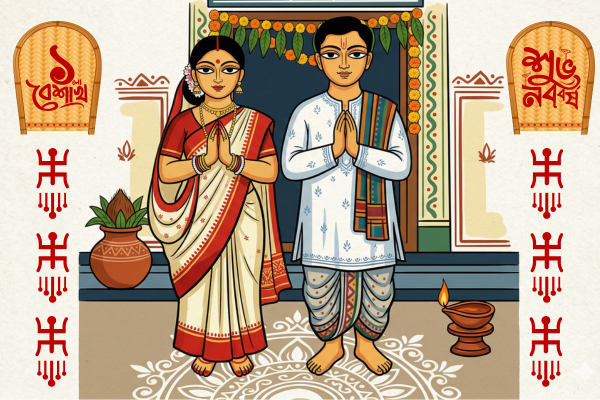
Folk art illustration of a couple in traditional Bengali attire offering a 'Namaste' greeting for Subho Noboborsho, featuring cultural symbols like Alpona and the Kula.

Poila Baishakh in Bengal: History, Traditions & the Timeless Essence of Bengali New Year

এসো হে বৈশাখ এসো এসো

– Rabindranath Tagore
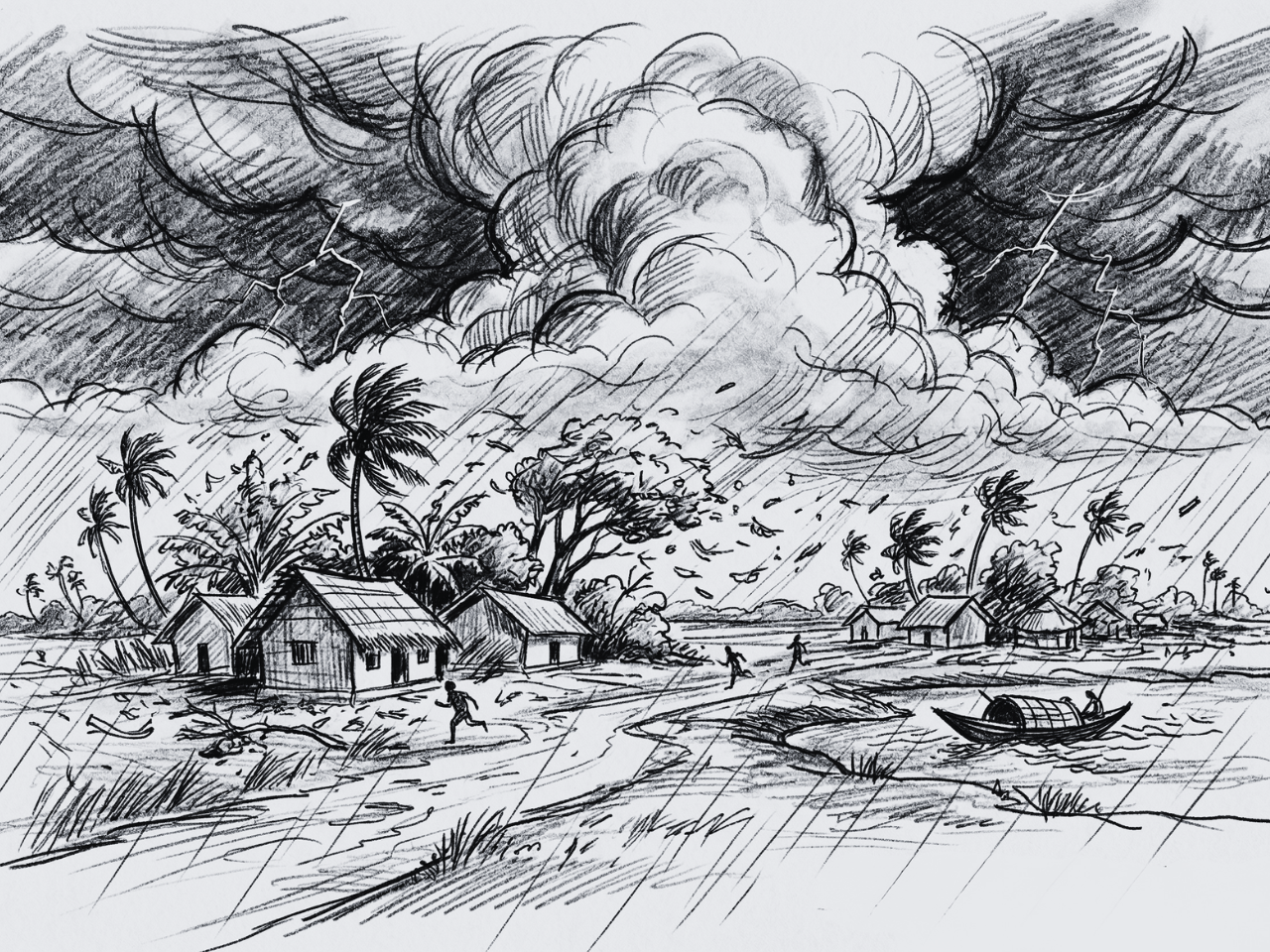
A detailed pencil sketch of a Kalboishakhi storm in rural Bengal, depicting the dramatic seasonal transition often experienced during the Baisakh month.

The Architecture of Time: A Reflection on Poila Baishakh

April in Bengal is not something that arrives, but rather settles on the landscape like a thick dust that is both heavy and luminous. It is a month that is defined by a particular geometry of shadows, by a sun that turns the terraces white by twelve o’clock, by a shimmer that hangs in the air, the melting asphalt of city streets. There is a deep lethargy to the afternoon, punctuated by the rhythmic ticking of a ceiling fan or the sharp, lonely cry of a brainfever bird. But it is in this crucible of the dying, exhausted Chaitra, and the arriving, fierce Baishakh that the Bengali soul finds its most profound moment of transformation. Poila Baishakh, the first day of the Bengali calendar, is not so much a loud festival as a quiet, annual assertion of identity, drawn on the topography of starched cotton, the smell of fresh ink, and the fierce, explosive beauty of the afternoon kalbaishakhi storms.

A Calendar Born of the Soil: Tracing the Origins of the Bangabda

To understand the origins of the Bengali calendar, or Bangabda, as it is called, one has to look away from the arbitrary divisions that clocks impose on time and look down at the earth. The division of time in the delta has traditionally been determined by the swelling of the rivers, the change in wind direction, and the ripening of paddy.

The most reliable historical accounts point to the 7th century as the period when the origins of the Bengali calendar were laid. The Bangabda is essentially a solar calendar, heavily influenced by one of the oldest known books on astronomy, the Surya Siddhanta. The calendar was intended to function in perfect synchronisation with the solar cycle and the six distinct seasons that this part of the world experiences. The formalisation of this calendar by King Shashanka, ruler of the Gauda Kingdom, in 594 CE was one of the most significant acts in grounding civilisation on the earth that it inhabited. The beginning of the year synchronised flawlessly with the post-harvest season, a beautiful system in which timekeeping was inextricably linked with sowing, reaping, and paying debts. It was a calendar that was not imposed but emerged organically out of the earth.
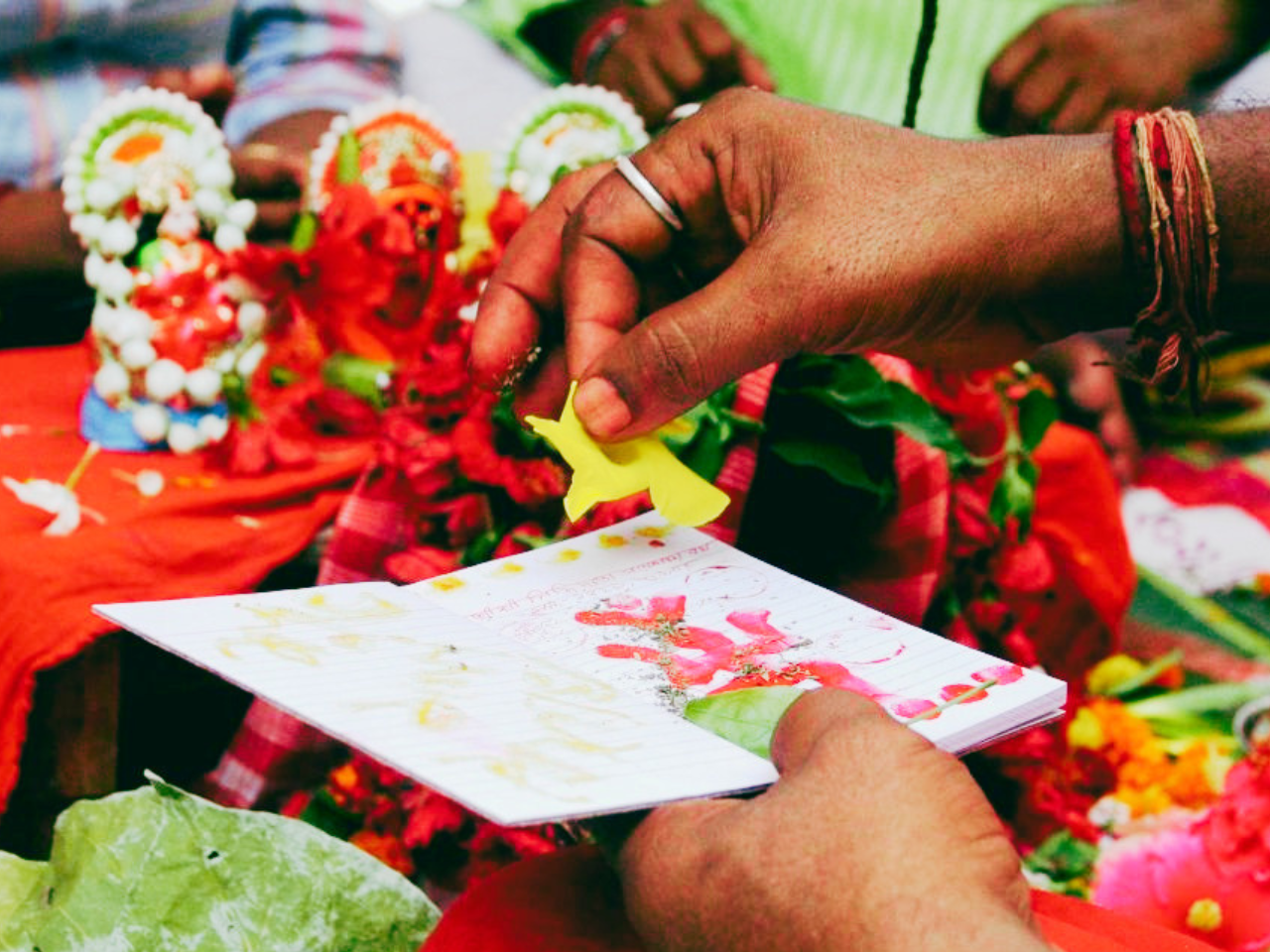
A close-up of the traditional Haal Khata ceremony, showing the sanctification of a new ledger with vermillion and flowers to mark a prosperous Bengali New Year.

Remembering the True Essence: Noboborsho in Early Days

In the old days, the advent of the new year was symbolised not only by the turning of the page on the calendar on the wall, but by a change in the ambience at home. The floors, painted in red oxide, were washed with water, and an air of joy hung in the inner courtyards.

Seated in the library of Jagriti Dham – a luxurious old age home in Kolkata, with the sunlight filtering through the leaves of the trees and casting long shadows on the well-clipped lawn, the eyes of our eighty-eight-year-old resident travel back in time. He fixes his memory on North Calcutta in the late nineteen-forties.

“The Poila Baishakh of my childhood,” he says, his voice cracking with the dry, papery quality of the old ledgers he spends his days surrounded by,” was a profound experience. “I recall my father taking me to the local marketplace in Hatibagan. The floors of the jewellery stores and the cloth stores were all covered in spotless white sheets, the farash. We had to remove our sandals before entering. The air was thick with the smell of sandalwood incense and the heavy, intoxicating sweet smell of jasmine garlands draped around the cash box.”

He pauses, with a smile on his face at some memory that has brought that smile from a great distance. “This was the ritual of the Haalkhata. The shopkeepers and businessmen, who had spent the year mining the best possible bargain, were now courteous hosts. The new ledger, wrapped in red cotton cloth, carried with it the scent of fresh paper and promise of better business in the coming year. As the priest drew the vermillion swastika and the symbol of Ganesha on the first page, the gleaming red ink catching the light in the dim store, we were not merely keeping our accounts; we were reaffirming our position in the community. The shopkeepers offered us rose syrup in brass glasses and a small square cardboard box of sweets. The neighbourhood was ours, and we were theirs. It is this feeling of quiet, enduring belonging that we attempt to recreate here, amongst ourselves, as we greet each other on the morning of NoboborshoShubho Noboborsho.”

Poila Baishakh and Bangaliana in the Global Age

Today, the topography of Poila Baishakh has changed. The focal point of the celebration has moved from the local neighbourhood businessmen to the air-conditioned corridors of shopping malls and the fleeting realm of the digital ether. 

The tradition of the Haalkhata lives on, but not as an economic imperative in an age of digital accounting and cloud computing. The new clothes are not measured and marked on the local tailor’s chalkboard weeks in advance, but ordered online and delivered in plastic layers. The gentle, physical touch of the feet of the elder members of the family has given way in many families to an avalanche of graphics and Shubho Noboborsho messages that arrive simultaneously on mobile phones.

Nevertheless, it is an exaggeration of the greatest degree to suggest that the festival has lost its significance. The modern Bengali utilises the festival of Poila Boishakh as a necessary, deliberate marker. In an increasingly globalised world, this day is an expertly crafted celebration of Bangaliana. Restaurants with elaborate thalis are booked well in advance. The desire to wear a handloom saree, or a crisp, starched Punjabi, is a powerful, unifying act of cultural performance that has not changed, even though the medium has changed, the tempo has quickened, and the desire remains, even though the lights are neon now.
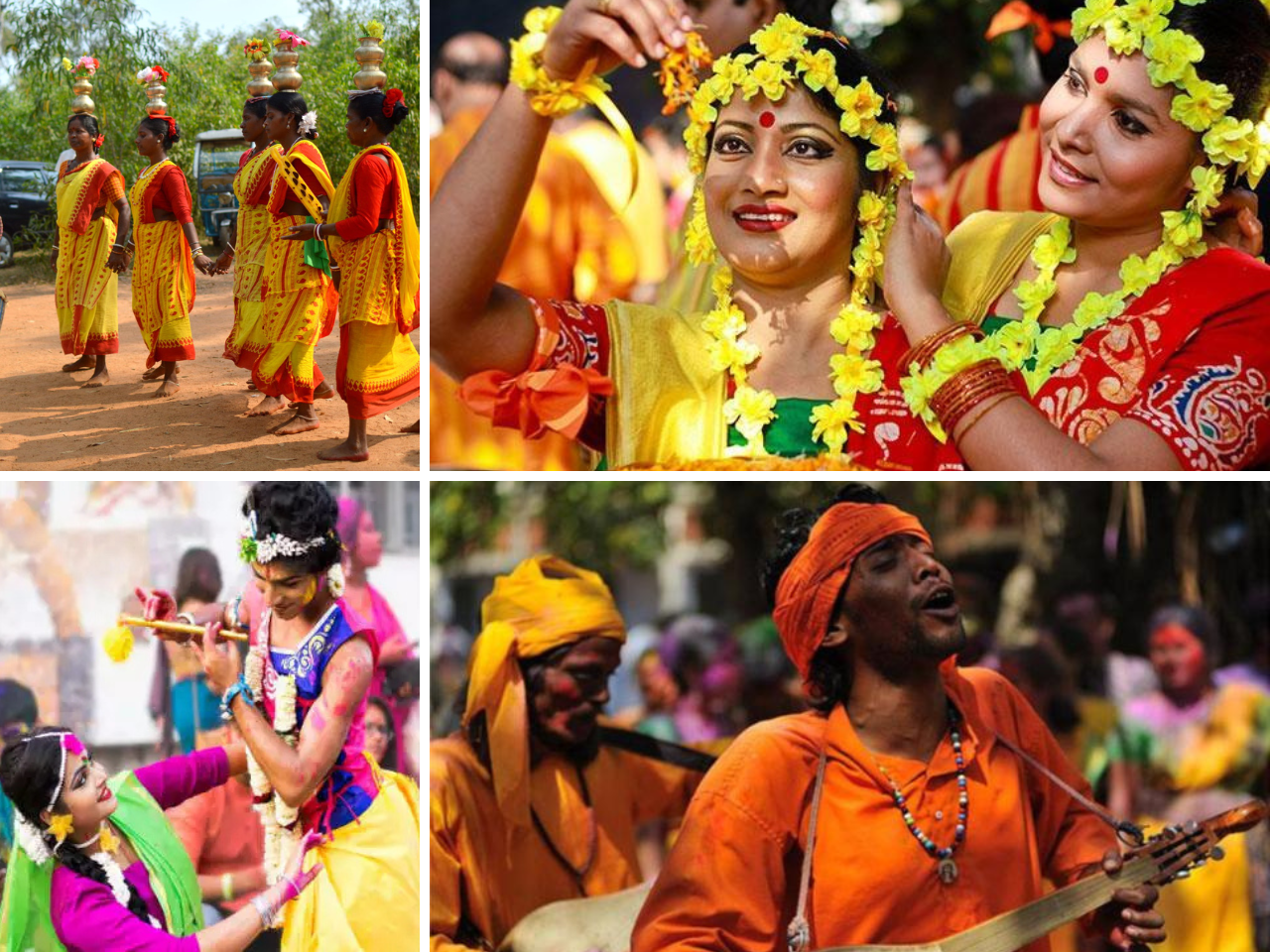
A vibrant collage of Mangal Shobhajatra and cultural festivities, showcasing folk dancers and musicians celebrating the rich heritage of Bengal.

Shantiniketan: Poila Boishakh Under the Chhatim Tree, Then and Now

Nowhere has the aesthetic of Poila Baishakh been articulated as thoughtfully as in Shantiniketan. Rabindranath Tagore had envisioned the new year as not a noisy celebration, but a quiet, contemplative communion with nature.

In the city, Poila Baishakh was intimately linked with business — the Haalkhata, the closing of debts, the smell of new ledgers, and the business exchange of sweets. But Tagore’s vision of life in Brahmacharya Ashram was profoundly detached from business and harmonised with the earth. He desired to reclaim the new year from the business community and return it to nature.

He viewed Baishakh as something more than just a change of dates. It was the ascetic force of Taposh to him. The intense heat of Birbhum summer, which scorches the reddish Khoai soil until it cracks, was to Tagore a fire of purification. It was nature divesting itself of all ornament, burning the dead leaves and decay of the past year to prepare the earth for the ultimate salvation of the monsoon. Hence, the festival that Tagore created in Shantiniketan was not to be a loud, joyful affair, but a contemplative, philosophical communion with nature in all her severity. Tagore based the festival near the Chhatim tree, the very spot where his father, the great Maharshi Debendranath Tagore, had once had a profound spiritual awakening. It was a deliberate architectural statement of the spirit, one of introspection instead of commerce.

Then: The Ascetic Morning: Poila Baishakh at the ashram was an experience of great wisdom and ascetic meditation. There was no demand for new and expensive clothes. The ashramites were dressed simply and plainly in white cotton. The day began with the Vaitalik, or the morning choir, proceeding slowly through the dusty red soil of the pre-dawn darkness. The invocations of the dreadful beauty of the summer months were sung through the profound silence of the landscape before the sun broke through.

The assembly at the Upasana Griha and under the shade of the Chhatim tree was characterised by silence that is difficult to comprehend today. There were philosophical discourses, often by Tagore himself, on the passage of time and the soul’s relation to the universe. The singing of Rabindra Sangeet was not an event; it was an offering. It was an occasion that required a deep and respectful acknowledgement of the arid heat, a conscious surrender to the ascetic breath of Baishakh.

Now: The Spectacle and The Spirit: The landscape of Shantiniketan on Poila Baishakh has changed vastly. Today, it is a spectacle. It is fuelled by the urbanite’s nostalgia for a bygone era. It attracts thousands of tourists from Kolkata and beyond, all eager to consume the ‘Tagorean aesthetic’ on a weekend outing. The narrow paths are congested with vehicles, and the silence is often punctuated by the sheer numbers of tourists in their designer, boutique handlooms, eager to snap the artistic moments on their mobile phones. The simple white cotton has given way to a spectacle of enactment.

But to write off this new festival as being superficial would be to ignore the underlying beat that continues to pulse through this new celebration. If one were to look beyond the throngs of people and the commercialisation that has inevitably seeped into this new festival, one would see that the basic rituals that were established by Tagore remain as unwavering as ever. The students of Visva-Bharati still rise before the sun. The Vaitalik still makes its way through the campus. The prayers under the Chhatim tree still take place with as much stringent dedication as ever. For that brief, magical instant, just as the sun is rising, before the outside world intrudes with its cameras and their noise, the eternal, introspective essence of the ashram is on display, demonstrating that while the crowd has changed, the sanctity of the invocation has not.

Taste from the Past: The Aromas of Noboborsho

The arrival of Poila Baishakh not only marks the beginning of the year with the promise of fresh pages in the Haalkhata but also with the promise of an intricate, rich symphony of scents that emerge from the kitchen. It is the day when the scorching heat of the new season is tempered by the comforting, pungent sting of the mustard oil as it heats to the smoking point in the heavy cast-iron korai. The culinary landscape of Noboborsho is constructed around the idea of anticipation, the earthy aroma of the whole spices as they are ritually crushed on the stone shil nora, the tang of the tamarind, and the sweet, lingering perfume of the boiling milk as it slowly cooks to the creamy payesh. These are not just scents, but an inheritance, an ancestral legacy that speaks of the promise of the traditional Bengali home and the language of love that it embodies.

Seated in the sunlit dining hall of Jagriti Dham – a luxurious old age home in Kolkata, our eighty-two-year-old resident closes her eyes, allowing the fragrance of the special lunch organised by the community’s residents specifically for the occasion of Noboborsho to transport her back to a sprawling courtyard in nineteen-fifties Ballygunge. “There were no caterers then, only the women of our house managing a grand, chaotic alchemy,” she reminisces, her lips curving into a wistful smile. “I remember the smell of the scorched skin of green mangoes roasted over the dying coals of the fire pit, preparing the aam pora shorbot, along with the rich, heavy smell of the kosha mangsho cooking away in the kitchen for hours. The children of the house would stand at the threshold of the kitchen, waiting for that first, impossibly flaky luchi to emerge from the bubbling ghee. Now, as we enjoy these festive meals together with our friends, I am not just eating the shukto, the mishti doi; I am eating the carefree afternoons of my youth, the sound of the clicking bangles of my mother as she served us the food.”

Now, in the present day, as the rhythm of life has increased in speed and the spacious ancestral kitchens have largely been transformed into modern, compact kitchens, the desire for the recreation of this sensory experience remains an unyielding anchor of our culture. The Noboborsho feast has been a temporal bridge, effortlessly linking the digital present with the deeply tactile past. Whether it has been curated in a bustling restaurant in the metropolis or it has been shared in the serene, community-rich environment of a senior living home, every bite of the echorer dalna or mustard-soaked ilish is a thoughtful act of remembrance. It is a delectable reminder that as calendars turn and eras pass, the essence of the Bengali New Year remains forever preserved in the timeless, evocative scents of its cuisine.\
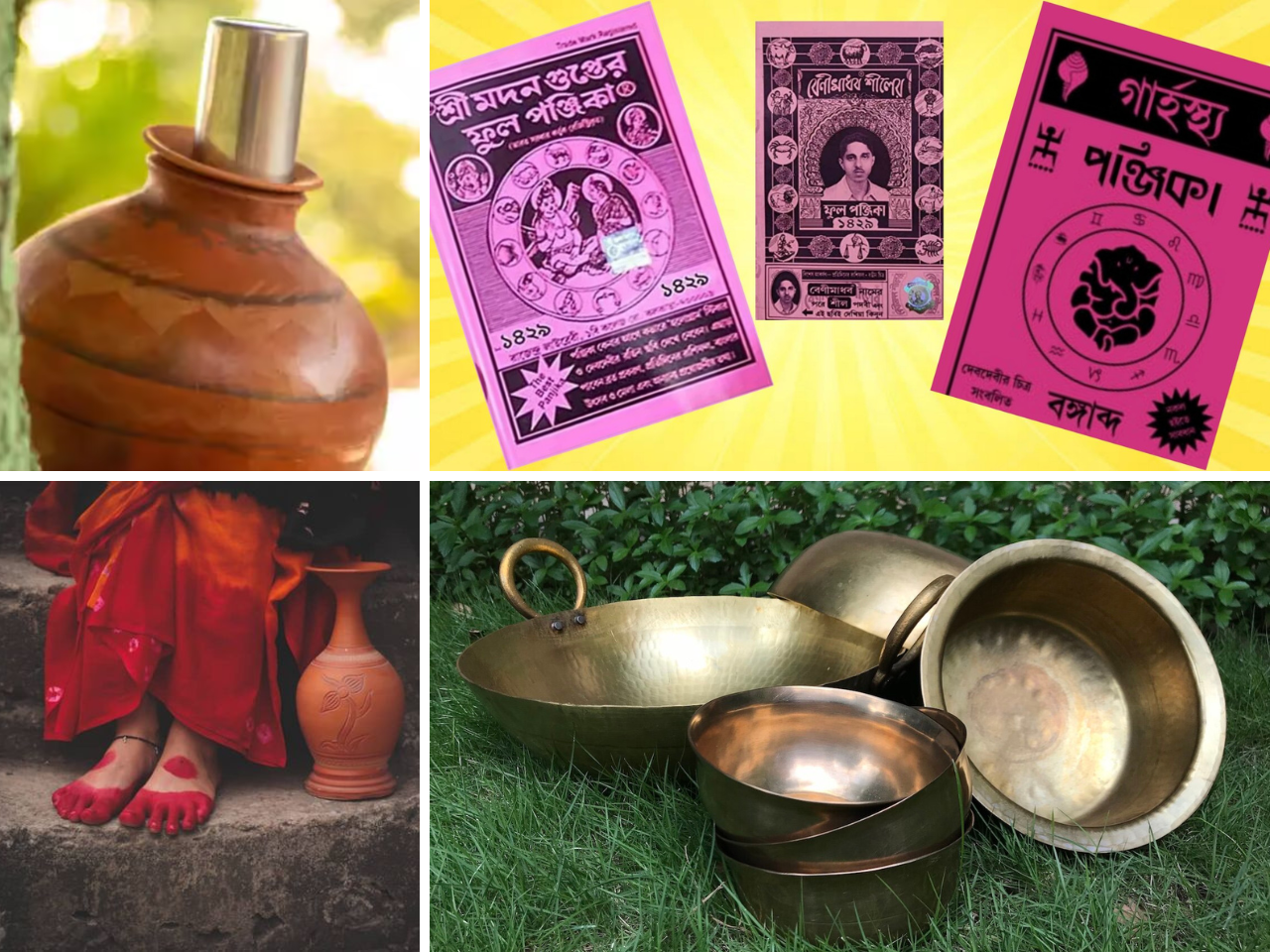
Essential Poila Baisakh elements including the Bengali Panjika almanac, traditional brass utensils, and feet adorned with Alta, reflecting the authentic cultural environment.

Lesser-Known Facts of the Bengali New Year

Apart from the well-known rituals, Poila Baishakh also has some less well-known traditions, which provide the undertone to the day.

The Architecture of the Panjika: Well before the advent of the first day, the temporal landscape had already begun to shift with the purchase of the new Panjika (almanack). It was an old, shoddily bound volume, the pages made of cheap, pinkish-yellow paper. The first true olfactory indicator of the arrival of the new year was the pungent smell of the fresh, harsh ink and binding glue.

The Tamarind Polish: The run-up to the arrival of Baishakh had been characterised by an austere, almost ascetic quality in the home. The Thakur Ghar (prayer room) had been dismantled, and the brass and bell-metalware, the koshakushi, the lamps, the plates, had all been thoroughly cleaned with tamarind fruit and ash. The pungent, sharp, almost acrid smell of the tamarind fruit, combined with the tactile sensation of the metallicware, had served as an indicator of the spiritual awakening that was to follow.

The Bitter Morsel: The feast of Poila Baishakh did not begin with sweetness, but with a deliberate, philosophical acceptance of the harsh. The very first morsel of rice eaten on this day was traditionally mixed with neem pata bhaja (crisp, fried neem leaves) or a piece of bitter gourd. It was an ingestion of the bitter, a bodily preparation for the scorching summer and the inevitable sorrows of the coming year.

The Alchemy of the Gandhabaniks: While the city was busy with the celebration of trade, there was another, more pungent ritual taking place in the narrow streets of the spice and perfume merchants’ colony. The Gandhabaniks celebrated the worship of Gandheswari, the incarnation of the Goddess. Their offerings lay not in gold but in the pungency of sandalwood, camphor, and attar, praying that the essence of the perfumes and the volatile nature of the scents would not disappear in the summer heat of Baishakh.

The Wet Red Hem of Aalta: The morning of the new year was set aside for the women of the house with a special ritual that involved the careful application of the bright liquid red of the aalta dye onto the hem of the feet. For a few hours, until the drying took place and the bright red turned to a powdery pink, the wet aalta would leave its temporary marks on the cool red oxide floors of the courtyard in the form of floral patterns.

The Resetting of the Clay: Noboborsho silently demanded the retirement of the old earthen water pots. The kalsi and the knujo, the old clay pitchers of the previous year, their pores clogged by the passage of time, were replaced by the fresh, unbaked clay. The smell of the first water poured into the fresh, dry earthen vessels, that sudden, dusty exhalation of the baked mud, was the very smell of the earth renewing its promise of quenching the summer’s thirst.

The Arithmetic of Forgiveness: The Haalkhata was traditionally the ledger of new accounts, but the lesser-known, lesser-used fragment of the Haalkhata was the silent erasure of the old, unpayable accounts. Between trusted neighbours and grocers, debts that could not be settled were quietly struck off the old account books before the new red cloth ledger was opened.

The Ascetic Bath: The first bath of the year was not a hurried, modern affair. It was an elaborate, cooling bath. The water, collected early in the morning, was steeped with the leaves of the Neem tree, raw turmeric paste, and at times, the bark of certain trees. It was an astringent, medicinal bath, stripping the skin of the languor of the past year.

The Winding of the Clock: In an era before the advent of the digital clock, the passing of the year was marked by a physical intervention with time itself. The eldest member of the house would ceremoniously take the brass key and wind the heavy, pendulum wall clock. The loud, metallic ratcheting sound echoing in the quiet morning room was the literal tightening of time’s mainspring for another twelve months.

The Profound Afternoon Stillness: Perhaps the most forgotten part of Poila Baishakh is the actual afternoon. After the heavy lunch, a profound and unyielding silence would descend upon the neighbourhood. The heat would radiate from the terraces, and the streets would be deserted. All that could be heard was the solitary and melancholy cry of a brainfever bird. It is in this heavy and suspended silence that the new year would settle into the bones of the city.

Poila Baishakh in the Independence Movement

However, it is a mistake to think of Poila Baishakh solely in terms of the home and the marketplace. It has also been a powerful tool in politics. During the Indian Independence Movement, especially in the run-up to the Partition of Bengal in 1905, cultural festivals were used as a weapon against colonial rule.

The Swadeshi movement revolutionised the way in which Noboborsho was observed. The purchase of new clothes, an important aspect of the day, was a highly politicised act. Bengalis were exhorted to boycott the purchase of British mill cloth, or Manchester cotton, and buy khadi instead. Wearing a khadi punjabi on Poila Baishakh was no longer merely an economic statement, but a loud and proud statement of defiance.

Moreover, the day was also utilised for Swadeshi Melas. These were not merely markets, for these were also venues for nationalistic activities. Under the guise of celebrating the New Year and encouraging Swadeshi products, freedom fighters would assemble and disseminate information and distribute pamphlets. The Haalkhata ceremonies conducted in the markets of Burrabazar and College Street were also venues for raising funds for the underground revolutionary movement. The British authorities were also careful to monitor these massive gatherings, for they were aware that beneath all these exchanges of sweets and greetings, a web of resistance was being spun.

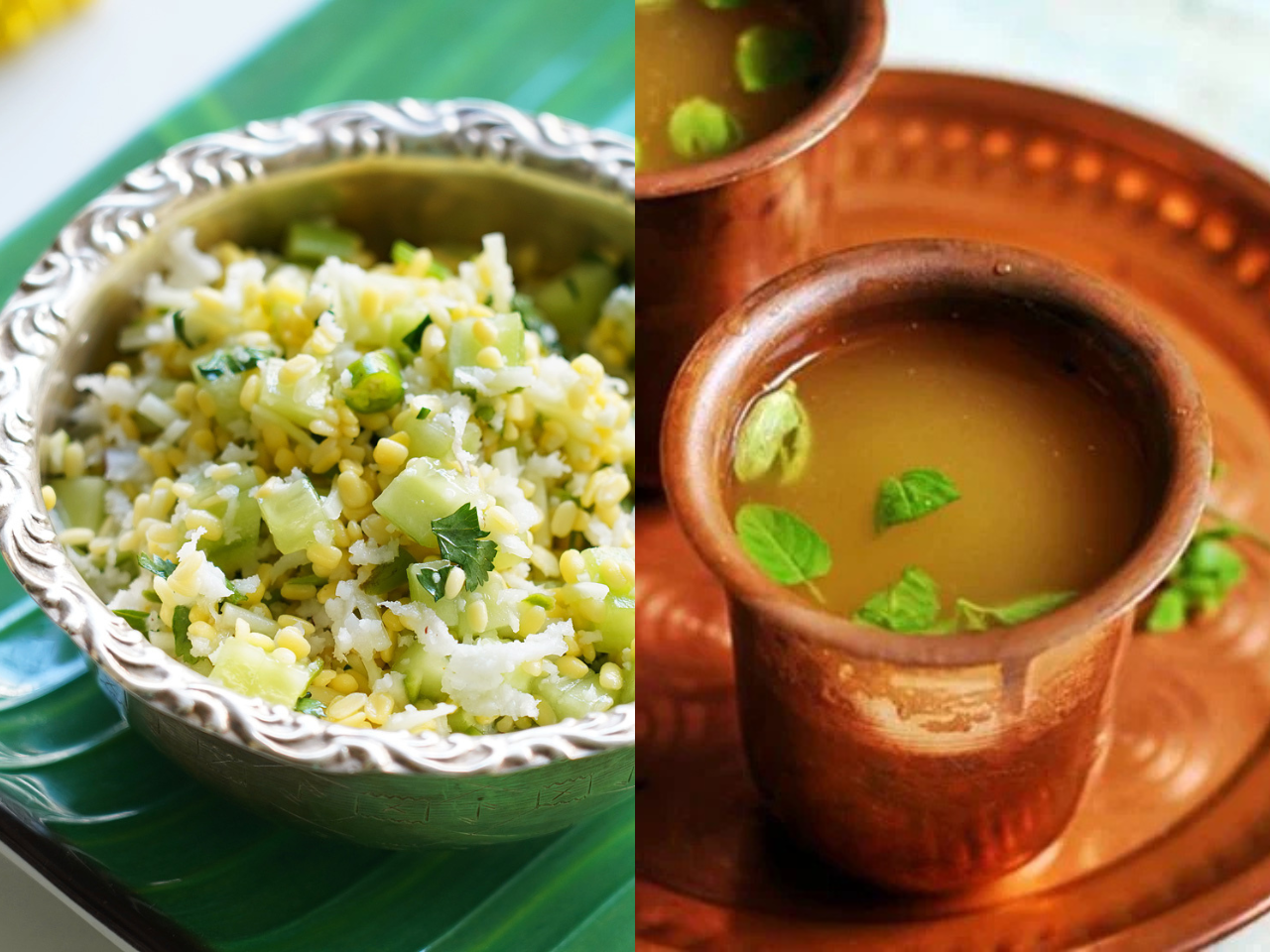
Authentic Bengali delicacies like Aam Pora Shorbot and Ranga Alur Pantua, highlighting the festive culinary lifestyle in our Bengal Kolkata during the Bengali New Year.

Lost Recipes of Poila Baishakh

The architecture of traditional Bengali New Year cuisine does not exist in any book in precise measurement, but in the muscle memory of grandmothers and in the weathered and scented pages of inherited diaries. In these quiet corridors of Jagriti Dham, in this sunlight, people talk about these phantoms of cuisine, these meals that asked for time, a commodity we have lost in our modern world. 

These are four recipes, and they are not just recipes, but blueprints for a forgotten Baishakh.

From the Jorasanko Kitchen: Aam Kasundi Begun

The culinary tradition of the Tagores was characterised by intellectual sophistication, taking the simple, everyday ingredients of the Bengal delta and transforming them into something new through subtle, unexpected marriages. This vegetarian dish was no exception, combining the fleshly comfort of summer eggplant with the sharp, acidic bite of early Baishakh.

  • The Preparation: Large, purple eggplants were sliced into thick, substantial disks, lightly scored, and smeared with turmeric and salt. They were then slowly fried in smoking mustard oil until they were caramelised, with the inside giving way to a custard-like softness.
  • The Alchemy: The magic in this dish was in the gravy, as freshly grated raw green mango was ground into a potent, pungent paste with the shil nora, with yellow and black mustard seeds, a touch of green chilli, and sugar. This was then lightly mixed into the oil left in the korai, which was never allowed to boil furiously, lest it turn bitter from the mustard seeds. The eggplants were then added to this bright, sunny dish, one that was imbued with the dark, loamy scent of summer eggplant and the sharp, bright scent of summer sun.

The Ancestral Coolant: Thakumar Aam Pora Shorbot

In the days of yore, when there were no refrigerators, the only solace from the unrelenting heat of April was this smoky, intensely nourishing concoction. It was a drink made of fire, created to combat the fire of the sun.

  • The Ritual: The ritual began at the ash-encrusted mouth of the clay stove. Firm, dark green mangoes were buried in the dying, glowing embers of the morning’s cooking fire. They were left there until the blisters, the char, and the brittleness of the mango’s skin were achieved, the air heavy with the acrid smell of burning resin.
  • The Assembly: After the mango had cooled, the charred, blackened skin of the mango was peeled off by the patient, soot-stained hands of the cook, to reveal the pale, olive-green pulp of the mango, steamed to perfection in its own juices. The pulp of the mango, mashed into chilled water stored in an earthen vessel, was vigorously mixed with roasted cumin powder, black rock salt, and coarse sugar. In brass glasses, the concoction had the distinct, unmistakable taste of the charred earth.

The Lost Vegetable: Kumro Patay Mora Musur Dal 

The current Poila Baishakh menu, with its focus on rich and creamy gravies, is a far cry from the sophisticated and refined sensibilities of the old agrarian diet, which placed a strong emphasis on the subtle art of steaming, or ‘bhaapa,’ and the preservation of the original integrity of the ingredients. This dish, once a staple of the New Year, has completely disappeared from the modern menu owing to the sheer time and patience required.

  • The Architecture: Young, tender pumpkin leaves or ‘kumro pata’ were selected, cleaned, and lightly blanched to give them pliability. At the same time, red lentils or ‘musur dal’ were soaked and ground into a coarse, thick paste with green chillies, grated coconut, a liberal amount of raw mustard oil, and a pinch of salt.
  • The Execution: A small quantity of this pungent lentil paste was placed in the centre of a pumpkin leaf. The leaf was then carefully folded and tied up in a neat little square parcel using a cotton thread. These green parcels were then placed in a covered brass bowl and steamed in boiling rice water. The parcels, when untied and placed on the plate, had changed into a soft, dark green leafy covering, and the lentil paste had changed into a firm and flavourful cake, redolent with the aroma of steamed mustard oil.

The Forgotten Sweet: Ranga Alur Pantua

Today, the sweet box in a Noboborsho sweet hamper is dominated by commercial rosogollas and sandesh. In the pre-sweet shop era, the afternoon was spent on domestic magic in making sweetmeats from scratch. The Ranga Alur Pantua was a masterpiece of frugal ingenuity.

  • The Dough: The leftover red sweet potatoes from winter, known as ranga aloo, were boiled to a state of extreme tenderness. They were peeled and kneaded vigorously with a small amount of flour and homemade chhana. Kneading was continued until all starchiness was gone, and a smooth dough was obtained.
  • The Fry and Soak: The dough was shaped into small, elongated balls between oiled hands. At times, a single cardamom seed or raisin was placed in the dough. These were fried in ghee on a low flame. The slow frying was critical in achieving a dark mahogany crust on the outside, along with a porous interior. Immediately after frying, they were plunged into a light sugar syrup with crushed green cardamom. The earthy sweetness of these fried sweet potatoes is beyond what refined sugar can achieve.

The Eternal Return

Poila Baishakh is, at the end of the day, a celebration of endurance itself. It occurs at the worst time of the year, requiring us to look at the dry earth, the blistering sun, and still find ways to celebrate the possibility of the monsoons, the harvests, and the future itself. Be it calculated by ancient kings gazing at the night sky, be it celebrated with coarse homespun cloth as a rebellion against the status quo, be it observed with the stillness of the Shantiniketan groves or fondly remembered through the haze of culinary nostalgia at the Jagriti Dham, the first day of Baishakh itself is a celebration of the need to pause and make amends with the past—financial and emotional—and begin anew with the quiet hope that the next year will be kinder, cooler, and more abundant than the one before.

About Jagriti Dham

This guide was curated by the Jagriti Dham (https://www.jagritidham.com/) team. Jagriti Dham, Kolkata’s most luxurious senior citizen home and Eastern India’s first IGBC-certified Green senior living facility, was visualised as creating a centre of excellence incorporating special amenities to aid the holistic development of senior citizens. It promotes the concept of active ageing and aims to create an age-integrated society where elders can live independently while receiving the best possible care through assisted living. Unlike other old age homes, Jagriti Dham’s vision extends beyond the walls, allowing elders to have a hassle-free life in a peaceful, like-minded community.

Experience Jagriti Dham

We invite you to visit our website to explore our full range of luxury amenities and see our vibrant community in action.

Stay connected with our vibrant community and keep up with our latest updates by following us on FacebookYouTubeGoogle My BusinessLinkedIn, and Instagram.

senior living homes in kolkata, assisted living vs independent living, best senior citizen home in kolkata, luxury old age homes in india, elderly care services, retirement living community, senior citizen housing, Jagriti Dham, independent living for seniors, senior care kolkata

Old Age Home in Salt Lake, Kolkata – Why the Area is Ideal for Senior Living

Living in a planned urban hub like Salt Lake offers undeniable benefits, but as seniors’ needs evolve, certain city-life challenges become more apparent. But Jagriti Dham provides the resort-style tranquillity and holistic care seniors truly deserve. Discover how this nature-connected sanctuary redefines purposeful living through specialised geriatric support and a vibrant community. 

Salt Lake is the best place when it comes to well-planned urban areas in the city, making it ideal for senior people. It has organised blocks, wide roads, and proximity to the parks, hospitals, and transport systems, offering high-level convenience. For senior people, staying close to hospitals and a peaceful neighbourhood enhances their accessibility and independence. 

However, this urban place has a few missing pieces. Although it has proper infrastructure, it lacks personalised places for elderly people who are seeking a peaceful environment, making them feel emotionally disconnected. 

This is where Jagriti Dham steps in as they redefine the narrative for the elderly people. Jagriti Dham is one of the best old age homes in India because they offer the conveniences of a resort-style living experience. This place is located near Diamond Harbour Road, making it the best choice to lead a lifestyle free of pollution and in a green environment for sustainable living.

Jagriti Dham has implemented modern amenities such as 24/7 medical care, air-conditioned rooms, nutritious food, housekeeping services, and secure living. They also have enriching places like lawn area, a yoga room, walkways, a meditation room, a library, a card room, an indoor games room and a temple. Therefore, such a blend of specialised geriatric care and nature creates a holistic lifestyle for senior people. The following write-up will shed light on how Jagriti Dham is an ideal place for elderly people to live a meaningful life. 

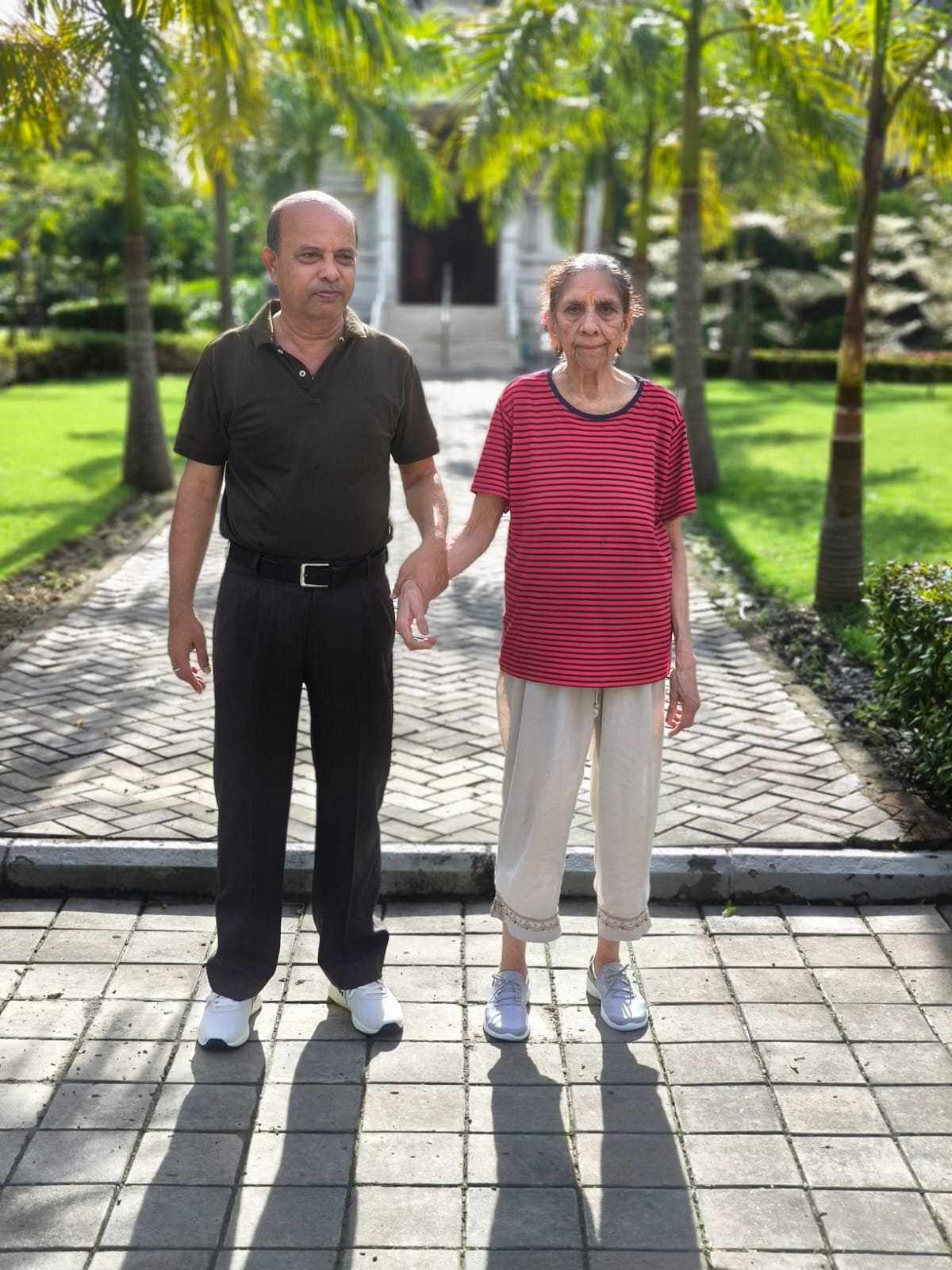
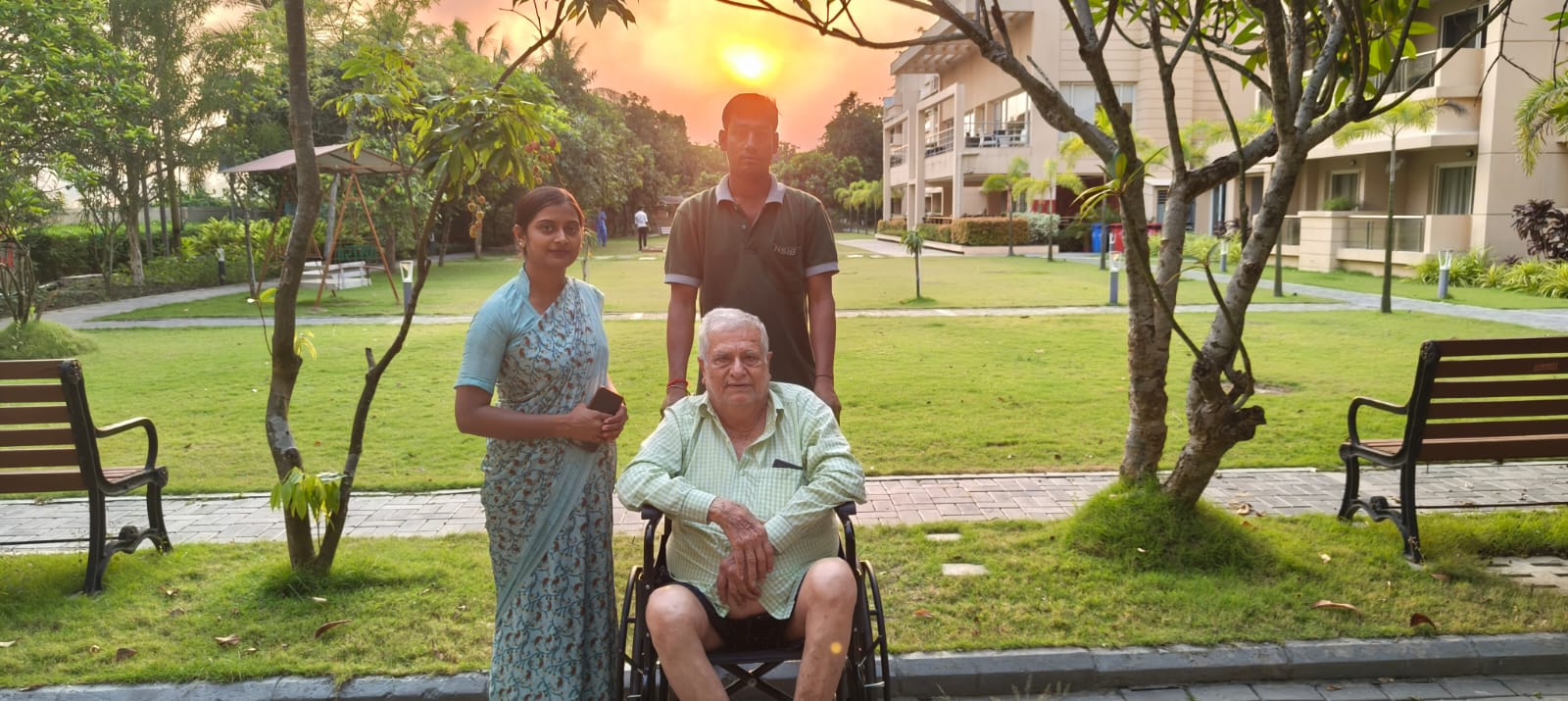
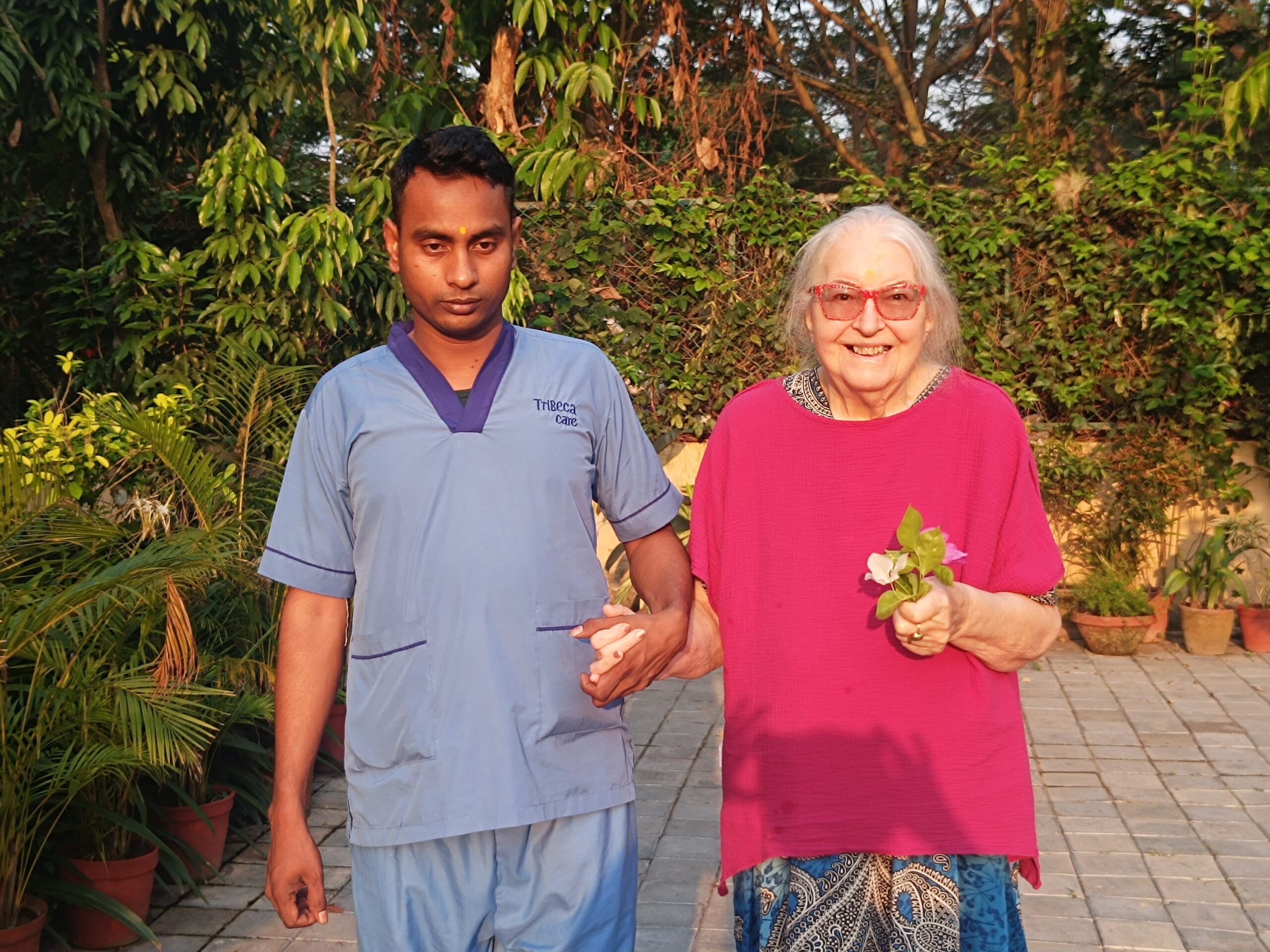
Our Resident is walking in green lawn of Jagriti Dham with a member of our care team.

The Best Old Age Homes in India: A Purposeful & Active Lifestyle

Senior citizens need to live a purposeful and active lifestyle because it keeps them both physically and mentally fit. The environment that is best suited for them is a well-structured one, allowing them to take part in social interaction, daily activities, and wellness programmes. Thus, such approaches show the evolving living standards in paid old age homes in India.  

An active and purposeful lifestyle is considered to be the cornerstone of a healthy life for senior citizens. They can easily live a peaceful lifestyle within the structured environment of Jagriti Dham because they offer more than just normal passive care. Inside the premises, they can visit libraries, gardens, and shared spaces for communication, mitigating the isolation issue.

Jagriti Dham emphasises the fact that most of the senior people suffer due to isolation, and it is a key challenge to eliminate. The studies conducted by PubMed show that around 7.4% of people aged more than 60 are suffering from dementia.  So keeping elderly people engaged is essential, and they need proper cognitive support. 

Jagriti Dham addresses this problem through structured routines and offering special care for health conditions such as Parkinson’s disease, Alzheimer’s disease and dementia. They also keep them under constant medical supervision, allowing them to live a healthy life. Therefore, such a holistic approach is applied to show the evolving nature of the best old age homes in India

senior living homes in kolkata, assisted living vs independent living, best senior citizen home in kolkata, luxury old age homes in india, elderly care services, retirement living community, senior citizen housing, Jagriti Dham, independent living for seniors, senior care kolkata

How Do Old Age Homes in India Focus on Health & Wellness?

Health and wellness are the most important parts of an elderly person’s life, as they ensure dignity and longevity. Jagriti Dham is known for using a structured approach that consists of proper medical care, nutritious food, and emotional support. The integration of such facilities makes them the best paid old age homes in India and stands out more. 

Beyond daily checkups, wellness integrates physical strength, emotional stability, and preventive care into a single, purposeful lifestyle. People staying at Jagriti Dham receive most of the benefits because of regular health assessment by professional caregivers. According to the United Nations Population Fund, age-related health issues are critical, and this is an increase to 20% of the elderly population by the year 2050.

Jagriti Dham ensures that elderly people receive the right amount of nutrients through balanced diets to meet their daily dietary requirements, support proper digestion and immunity, and maintain energy levels. Jagriti Dham, the best old-age home located near Joka, Kolkata, is actively using a holistic approach to keep every elderly person comfortable. They offer proper health care services to create an active and peaceful environment.

The professional healthcare experts present at Jagriti Dham ensure that every elderly person participates in physical activities such as short walks in the lawn area and yoga to reduce health issues. Therefore, the comprehensive approach used by Jagriti Dham shows the standard of the best old age homes in India. These paid old age homes in India mostly prioritise a wellness-driven environment to keep senior people independent and healthy.


Movie Night at Jagriti Dham

A Sense of Companionship in Old Age Homes

A sense of companionship is important for senior citizens because it eliminates the feeling of loneliness and the fear of abandonment. Here, they get the opportunity to share their feelings with their peers, have conversations, and mitigate isolation by fostering a sense of belonging. 

Having a companion is a very important part of an elderly person’s life because it directly influences their emotional stability and improves cognitive health. So, Jagriti Dham, make sure to create an environment that encourages proper interaction through cultural celebrations, group activities, and shared dining. The best old age homes in India keep a better understanding of how to nurture interpersonal connections among the elderly people, instead of being just infrastructural. 

You can also get access to essential old age home information, which shows that senior people involved with other companions create foundational pillars for them, which aligns perfectly with the philosophy of Jagriti Dham. As said by one of the residents, “Jagriti Dham is a place where active ageing and compassion with a nurturing environment have reshaped my life, and I can live with a new purpose of life and happiness.”

Conclusion

Joka, Kolkata, has emerged as the premier destination for senior living, seamlessly blending robust healthcare and top-tier security with vibrant community engagement and lush greenery. Jagriti Dham perfectly embodies these modern standards, providing a sanctuary where seniors enjoy the comfort and companionship essential for a balanced, healthy life.

Explore Jagriti Dham’s official website to understand the standard of living offered to every elderly person. You can schedule a meeting or talk to our representative in person to learn about the facilities, lifestyle, and care services we offer.  

Frequently Asked Questions 

  • Does Jagriti Dham Help Elderly People With Special Health Conditions?

Yes, Jagriti Dham offers medical care to senior people with special health conditions such as Parkinson’s disease and dementia. They have professional healthcare providers offering personalised medical attention by supervising them regularly and fulfilling every healthcare requirement.

  • What Are the Types of Daily Activities Available for Seniors?

There are different types of daily activities that elderly people can engage in, such as yoga sessions, cognitive sessions, Gita path, adda sessions and more. Jagriti Dham has incorporated such programmes to improve mental health, keep them physically fit, and engage in social activities. 

About the Author

This guide was curated by the Jagriti Dham (www.jagritidham.com) team. Jagriti Dham is one of the leading luxurious senior citizens’ homes in Kolkata, designed to enrich the lives of the elderly with premium amenities and services. A CSR initiative of Infinity Group, the facility is recognised for its commitment to the holistic development of senior citizens. It’s an inclusive community where everyone is encouraged to stay active and independent, with the peace of mind that support is always available whenever it’s needed.

Stay connected with our vibrant community and keep up with our latest updates and news by following us on Facebook, YouTube, Google My Business, LinkedIn, and Instagram.

Courtesy:

https://pubmed.ncbi.nlm.nih.gov/36637034/

https://india.unfpa.org/en/news/india-ageing-elderly-make-20-population-2050-unfpa-report

Green building senior living, Sustainable retirement homes Kolkata, Eco-friendly elder care India, Luxury senior living Kolkata, Senior health and wellness design, IGBC certified homes Kolkata, Biophilic design for seniors, Best retirement homes in India

Senior Living in Kolkata Today: Trends, Challenges, and Opportunities

The demand for luxury housing for senior citizens is increasing in Kolkata, driven by both necessity and choice. This write-up explains the current landscape of premium senior living communities, primarily focusing on the trends, challenges and opportunities.

India is undergoing a drastic demographic transition with the rise in the elderly population, mostly those aged 60 years and above. In fact, data suggest that the number of senior citizens in the country will reach 230 million by 2036, compared to 100 million in 2011.

In cities like Kolkata, the shift is clearly visible, leading to an increase in demand for housing for senior citizens like Jagriti Dham. These modern eldercare facilities are quite different from conventional old-age homes, which have always carried a negative connotation. 

Rather, a luxury senior living community is now well-appreciated by both the elderly and their families as a place where there is comfort, convenience and independence.  

This write-up will explore how these luxury senior living facilities are adapting to the needs of the elderly, providing insights into the emerging trends, challenges and opportunities.

Green building senior living, Sustainable retirement homes Kolkata, Eco-friendly elder care India, Luxury senior living Kolkata, Senior health and wellness design, IGBC certified homes Kolkata, Biophilic design for seniors, Best retirement homes in India

Emergence of luxury housing for senior citizens

Senior care houses are residential communities that are designed for individuals who want to spend their retirement years in safety and ease among like-minded individuals. The luxury senior living facilities always promote active ageing, and they believe that life after retirement can be equally engaging. 

Whenever we think of traditional old-age homes, the first image that comes to our mind is isolation, where care is limited to the bare essentials. However, Jagriti Dham, the best senior living community in Kolkata, located near IIM Calcutta, Joka, is redefining the concept of elderly living. 

We emphasise the holistic well-being of the seniors, offering top-notch healthcare, opportunities for social interaction, and a nurturing environment where the residents can live their golden years with dignity. 

As a part of our eldercare services, we have options for both independent and assisted living to enhance the well-being of the seniors with the highest level of support. 

Jagriti Dham is one of the most luxurious senior citizen homes in Kolkata – if you have not visited yet, then no doubt you are running late. Excellent service and peaceful atmosphere,” says a happy resident of the facility. 

Trends shaping the future of senior living houses

As the world is evolving and changing, so are the expectations of the seniors. Today, Jagriti Dham, a housing for senior citizens, is embracing trends that are greatly reshaping the way its residents live. 

  • Personalised care: Jagriti Dham does not follow a one-size-fits-all approach for its residents. We have well-trained staff available 24/7 to provide personalised care plans to meet the specific needs and preferences of the seniors. 
  • Wellness programmes: Nowadays, the seniors are prioritising their health more than ever. Jagriti Dham is responding to this by offering a range of wellness programmes. From yoga sessions, fitness classes and physiotherapy sessions, the residents are always encouraged to adopt healthy living. 
  • Recreational activities: Retirement isn’t the end of the game—it’s the start of your second innings. As a top luxury senior living facility, we offer multiple opportunities for socialisation to the residents, like group activities, cultural events, celebration of festivals, art therapy, music performances and movie nights to allow the seniors to explore their passions. 
  • Focus on emotional well-being: Connection is the heart of the second innings. At Jagriti Dham, residents swap isolation for engagement through vibrant Adda sessions, ensuring every day is filled with companionship and meaningful dialogue.
  • Sustainable living: Jagriti Dham is Eastern India’s first IGBC-certified silver-rated green senior living facility featuring eco-friendly architecture. The design is such that the building allows for 97% availability of sunlight, cross-ventilation, the use of non-toxic materials, and minimising the presence of harmful chemicals like VOCs. 

An resident holding hands with a caregiver on a paved pathway near the Krishna Temple at Jagriti Dham, a premium facility providing housing for senior citizens in a lush, green environment.

Challenges in housing for senior citizens that need to be addressed 

The luxury senior living facilities not just offer a place but a community with exceptional services and amenities. However, despite the growing market, these retirement communities face certain challenges that mostly arise due to misconceptions. 

  • Lack of acceptance: In Kolkata, as in much of India, the greatest hurdle remains the prevailing mindset. The traditional joint family is the norm, where the elderly are cared for by their family members. Even though nuclear families are becoming common, the idea of shifting older adults to senior citizen homes is still stigmatised. Many people associate these communities with neglect and abandonment, which discourages them from accepting them, even with so many benefits. 
  • Attachment to home: For many seniors, transitioning to housing for senior citizens becomes emotionally challenging. Leaving their home, which is tied to memories, routines and a sense of identity, can feel like losing their independence. Even though the luxury senior living communities come with safety and a comfortable environment, the emotional attachment makes them hesitant to move.

Opportunities in the next few years 

The landscape for specialised senior living facilities is still emerging in India, and it is especially gaining momentum in Kolkata. In the next 3 to 5 years, it is likely to gain popularity and rise further, driven by changing societal demographics, increased life expectancy of the elderly and more awareness about the benefits of elderly care communities.

The expectations of the senior citizens today have greatly changed compared to what they were previously. They no longer wish to be dependent on their family members. Instead, they have shifted their focus from passive retirement to active and graceful ageing.

Nowadays, senior care housing offers more than accommodations or shelter to the elderly. Many older adults are now seeking communities that provide them with healthcare support, comfort, safety and like-minded companions. In response to this, luxury housing for senior citizens has evolved, helping the seniors lead happier and healthier lives post-retirement.

Jagriti Dham is designed to cater to the needs of the senior citizens who prefer a comfortable environment with access to premium amenities and modern conveniences, where they can find a renewed purpose and rediscover joy. 

Final Thoughts

The establishment of more and more senior living communities in Kolkata reflects how the city views ageing. They are considered a new way of living and spending the golden period of life. 

Jagriti Dham is setting a benchmark by reshaping senior living. As the best luxury old-age home in Kolkata, we are transforming the lives of our residents from just managing to thriving. By focusing on wellness, dignity, support and compassionate care, we are creating a home-like environment where the elderly population of our society can enjoy a fulfilling life.

You can visit our website or schedule a tour of the facility. Our friendly staff is always available to show the exceptional lifestyle and care that we offer to our residents. 

FAQs 

  • Can seniors maintain their independence at Jagriti Dham? 

As a resident of our facility, you are allowed to choose the level of involvement of the staff and enjoy the lifestyle that suits you. As a leading senior living community in Kolkata, we are always there for our residents to provide a helping hand whenever required while encouraging their freedom.

  • Are there any experimental stays available? 

Yes, we have trial-stay options for our guests to give them a first-hand experience of what it feels like to reside at Jagriti Dham. You can opt for a one-night stay or for a few months. 

About the Author

This guide was curated by the Jagriti Dham (www.jagritidham.com) team. Jagriti Dham is one of the leading luxurious senior citizens’ homes in Kolkata, designed to enrich the lives of the elderly with premium amenities and services. A CSR initiative of Infinity Group, the facility is recognised for its commitment to the holistic development of senior citizens. It’s an inclusive community where everyone is encouraged to stay active and independent, with the peace of mind that support is always available whenever it’s needed.

Stay connected with our vibrant community and keep up with our latest updates and news by following us on Facebook, YouTube, Google My Business, LinkedIn, and Instagram.

Cognitive session with the residents at Jagriti Dham

Luxury Old Age Home in Kolkata: The Ultimate Senior Living Guide for Families

Choosing a luxury old age home in Kolkata marks the transition from crisis management to proactive holistic wellness. Here we offer a professionally managed ecosystem of active social living and luxurious comforts that allows families to move from a state of constant stress and worry to a life of total peace of mind.

The Silent Shift: When Home Management Becomes a Family Crisis

The transition to a luxury old age home in Kolkata often begins when the joy of living in an ancestral home is eclipsed by the stress of managing daily logistics and medical emergencies. We provide a professional ecosystem that restores the parent-child bond by taking over the “maintenance of life”, allowing families to focus on quality time rather than caregiving checklists.

Mrs Mukerjee was 76. A retired professor living alone in south Kolkata, she had gradually come to see the house she built 40 years ago as her biggest adversary. Yes, the high ceilings were lovely, but the stairs were now a mountain. The antique furniture was charming, but she kept slipping on the mosaic floors. Her daughter lived in London, and every morning she called to check, not about books or neighbours’ pets, but whether the neighbourhood plumber was there or if the morning nurse had remembered insulin.

Welcome to what thousands of caregivers in Kolkata describe as the “Caregiver’s Paradox”. We hold it against our better judgement that providing care to keep parents at home is the highest expression of love. But according to studies conducted by the Institute of Psychiatry (IOP) Kolkata (2025), 26.7% of urban elders live in “nuclearised” isolation. The issue isn’t simply emotional neglect. It’s a clinical risk factor. Without professional oversight, minor slips become major surgeries, and social withdrawal accelerates cognitive decline.

Moving into a luxury old age home in Kolkata, such as Jagriti Dham, is not about “leaving” a home. It’s about moving into a home where the infrastructure is there to support you – not restrict you. As we have witnessed time and again, when the daily stress of running a household is removed, the relationship between parent and child blossoms. Now Aditi and Mrs Mukerjee don’t argue over medicine schedules. They discuss the latest film screened in our AV theatre. Choosing professional senior living in Kolkata means exchanging the “logistics of care” for the “joy of connection”.

Movie Night at Jagriti Dham

Location Strategy: Why Diamond Harbour Road is the “Green Lung” for Longevity

Choosing a senior living facility on Diamond Harbour Road offers a vital escape from the AQI challenges and noise pollution of central Kolkata. This corridor provides the “Green Lung” effect essential for respiratory health while ensuring residents remain within the “Golden Hour” radius of premier medical hubs in Kolkata.

When families search for a senior citizen home in New Town or an old age home in Salt Lake, they often overlook the critical “AQI Factor”. According to the ASLI “Elevating the Golden Years” 2024 report, seniors living in high-density urban zones are 1.5 times more likely to suffer from chronic respiratory distress. This is why we strategically positioned Jagriti Dham on Diamond Harbour Road, specifically within the expansive Merlin Greens campus.

When families search for a senior citizen home in New Town or an old age home in Salt Lake, there’s one thing that bothers them the least. We’re talking about the “AQI Factor”.

Every family considers amenities, medical facilities, and comfort while choosing a senior citizen home. While these factors are important to provide your loved ones with a long-term, comfortable living, ensuring they breathe in clean air is equally important.

According to the ASLI “Elevating the Golden Years” 2024 report, seniors living in high-density urban zones are 1.5 times more likely to suffer from chronic respiratory distress.

With this thought in mind, Jagriti Dham has been strategically located at Diamond Harbour Road, away from the hustle and bustle of the city, amidst Merlin Greens’ expansive green 200- acre campus. Breathe in the fresh air and be around lush greens and open spaces that offer cleaner air!

It was never about offering picturesque views. It’s about being strategic in living locations that benefit your loved one’s health and wellness for years to come.

  • Cleaner air to breathe: Situated away from the congested “heat island” of central Kolkata means easy breathing and longer living. Having 43% more greens across and around our campus translates into lower levels of particulate matter and higher quality air for residents.
  • Connectivity to Care We’re close to multi-speciality hospitals in Kolkata. Our location meets global standards of being inside the “Golden Hour” for reaching tertiary care required by our residents that may arise now and in the future. It also gives family members visiting Rajni Seniors Homes the comfort of knowing that should an emergency arise, they can easily reach a hospital to get quality care.
  • The stretch of Raichak: Running along the Raichak Riverfront, the steady breeze from the Hooghly serves as a natural air conditioner, keeping our residents cool during summers and warm during winters. There’s no better place to get your daily dose of fresh air than the sprawling 200 acres, where our seniors can take that morning stroll or unwind in nature throughout the year.

Why Choose Jagriti Dham?

A bonus of living at Jagriti Dham – India’s premier senior living community – is that we recognise the benefits of our unique location and seamlessly integrate those with each aspect of senior living we offer. From care to cuisine, life at Jagriti Dham is designed to work in harmony with nature to help seniors stay happy and healthy at every stage of life.

Located away from city pollution yet within easy reach of modern amenities like hospitals, markets, and malls, Jagriti Dham gives you the “best of both worlds” – the peace of the village and the security of the city.

We like to think of it as one step closer to reinforcing the belief that it’s not just important where your parents live but also how they live!

senior living homes in kolkata, assisted living vs independent living, best senior citizen home in kolkata, luxury old age homes in india, elderly care services, retirement living community, senior citizen housing, Jagriti Dham, independent living for seniors, senior care kolkata

Structural Safety: Architecture That Functions as an “Invisible Nurse”

A luxury old age home in Kolkata must go beyond aesthetics to incorporate “Universal Design” principles that prevent accidents before they happen. By being the first IGBC Silver-rated senior living facility in Eastern India, we ensure that every room is a high-tech sanctuary optimised for senior mobility and safety.

In a standard Kolkata apartment, even something as routine as a trip to the bathroom at 2 AM can become a high-risk activity for seniors. Factors like dim lighting, slippery floors, and a lack of support systems can lead to accidents and falls.

No such threats exist at Jagriti Dham, as we have designed most of them away. Spaces have been meticulously planned to anticipate and accommodate your senior parents’ every move, so you never have to worry about the ‘what ifs’ later.

Following the Model Guidelines for Retirement Homes (2019), we have designed our rooms and common areas to make movement safer and easier for seniors:

Brightly lit corridors, anti-skid tiles, and floors are just a few design considerations we take to keep seniors safe and encourage them to walk around confidently, day and night.

Every fully furnished, air-conditioned room at our facility is thoughtfully designed to prioritise safety, comfort, and overall well-being:

  • Anti-Skid Engineering: We use specialised high-traction tiles that retain grip even when wet—an essential safety feature that is often overlooked in many generic assisted living facilities in Kolkata. This significantly reduces the risk of slips and falls, especially in areas like bathrooms.
  • Emergency Response Systems: Each room is equipped with bedside and bathroom pull cords that are directly connected to our 24/7 manned nursing station. This ensures that immediate assistance is always within reach, offering both residents and their families a strong sense of security.
  • Biophilic Light Management: Our rooms are designed to allow up to 97% daylight availability, creating a naturally bright and uplifting living space. Research indicates that consistent exposure to natural light plays a vital role in maintaining healthy circadian rhythms and supporting bone density in the elderly, contributing to better sleep, mood, and overall health.

Together, these features ensure that every room is not just a place to stay but a carefully curated environment that actively supports safe, healthy, and dignified living.

When you think about living in a luxury old age home in Kolkata, what do you imagine? A TV, a fridge. Maybe even a private balcony? Although all of these facilities certainly add comfort to your life at home, they aren’t the only luxuries we offer here at Jagriti Dham. The real luxury is peace of mind.

Peace of mind that every room is equipped and designed to be as “fall-proof” as possible.

Decor plays an important role in any senior living community, but safety and health are our top priorities when designing your private living spaces. From low-VOC paints that create safer air quality by reducing indoor pollution linked to respiratory problems to zero-step entries that allow you to move freely throughout your private living space with a walker or wheelchair.

Small touches like these eliminate barriers we often see in traditional homes and show that we’ve got your safety, accessibility, and overall well-being covered. That’s why our charges and facilities at Jagriti Dham Kolkata are designed to meet some of the highest technical standards for senior living communities throughout India. Because when it comes to luxury, we believe that feeling dignified, independent, and completely cared for is something everyone deserves.

The “Adda” Lifestyle: Combating the Loneliness Epidemic Through Amenities

Social isolation is as damaging to senior health as chronic physical illness, leading to accelerated memory loss and depression. We combat this “Loneliness Epidemic” through a vibrant 5-star infrastructure—including gymnasium, AV theatre, and cards and games room—designed to foster the traditional “Adda” culture of Kolkata.

Did you know that according to the Mordor Intelligence report of 2026, 50.8% of urban senior citizens in India battle loneliness while surrounded by people living in a community nearby?

Loneliness can happen even when you are around people. Meaningful connections can only be developed by choice. That’s why at Jagriti Dham, we don’t just provide care for our seniors. We ensure that they live with a sense of community. We create that bond by engaging them in activities that make them feel valued and wanted and allow them to love and be loved.

We provide a place that has everything to help our residents feel less lonely and more at home.

At Jagriti Dham, we believe that the golden years after 60 should be lived with purpose. We believe in active ageing, which allows one to live life by being socially connected, mentally active and physically fit.

Our recreational infrastructure forms the social heart of the campus—carefully designed to foster connection, engagement, and a sense of belonging among residents.

  • AV Theatre: Never Miss a Movie Again – We believe in recreating magic through movies at our AV theatre. So buckle up as we go on a rollercoaster ride of emotions, watching old-time Bengali movies & new-age commercial flicks together, triggering intriguing conversations and nostalgia.
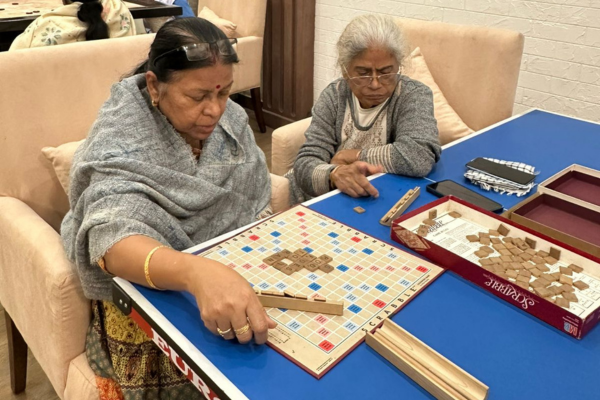
  • Cards Room & Indoor Games Room: Just Have a Chat over Carrom. Regardless of which game you pick, indoor games are proven brain exercises that keep you mentally fit & fine. Plus, they help you socialise and keep that mood gleeful too!
  • Krishna Temple: Right here at Jagriti Dham – right in the heart of our campus – lies a temple where you can go to feel one with the divine. Research shows that spiritual activities help calm anxiety and keep elderly mood levels steady. That’s why we at IOP Kolkata have made sure to include this crucial aspect of eldercare.

The care team and Jagriti Dham residents at our luxury retirement homes in kolkata

Each one of these recreational activities at Jagriti Dham has been carefully curated to keep you socially involved, engaged and entertained.

Residents live a “hassle-free” lifestyle here. Mr Roy used to spend hours looking for someone to repair his fridge. Now it’s taken care of, along with laundry services, housekeeping and more by the hospitality team. View more of our vibrant senior living apartments and social engagements in our gallery.

Nutrition as Medicine: The Science of the Healthy Meal

To provide seniors with healthy nutrition is part science, part emotion. Science dictates that each meal should meet the nutritional needs of our seniors and encourage proper health. As reports show, almost 36.18% of elderly people suffer from chronic digestive or metabolic diseases like IBS, acidity, etc.; they need to take care of what they eat regularly.

Emotion drives the desire to cook foods that they love and eat what feels like home. At Jagriti Dham, we take nutrition very seriously. Like a doctor prescribes medicine to his patients, we have meticulously designed the daily diet of our residents. Every nutrient in their meal is accounted for, considering what is easiest for them to digest and what will benefit their health as per their individual medical needs.

We don’t forget the importance of traditional and delicious meals that they crave. Combining the two allows us to provide residents with not only well-rounded nutrition but also meals that they love.

We focus on three key nutritional principles to support overall health and well-being in seniors:

  • Digestive Efficiency: Ageing can make your digestive system more sensitive. Meals that are gentle, well-balanced and easy to digest can help avoid discomfort like heartburn, bloating, and agitation, promoting a healthier gut and overall comfort.
  • Inflammation Management: Food planned with naturally calming and anti-inflammatory ingredients can support healthy levels of inflammation in the body, which is important for decreasing joint pain, maintaining heart health, and overall wellness.
  • Emotional & Cultural Well-being: Food has a strong connection to our memories, sense of self and overall well-being. Ensuring that the meals we provide meet those needs is important for feeling comfort, belonging, and overall joy.

We have included some favourite Bengali dishes like chhanar kofta, paneer and vegetable chops in our menu, which are prepared by our in-house chef with low sodium levels and monitored amounts of sugar, ensuring our residents do not have to compromise on taste while keeping their health in mind.

We practise “scheduled hydration” by serving fresh daab (coconut water), soups and fruit juices to residents at regular intervals to avoid dehydration, which is one of the major reasons for dizziness, fainting and falls in the elderly.

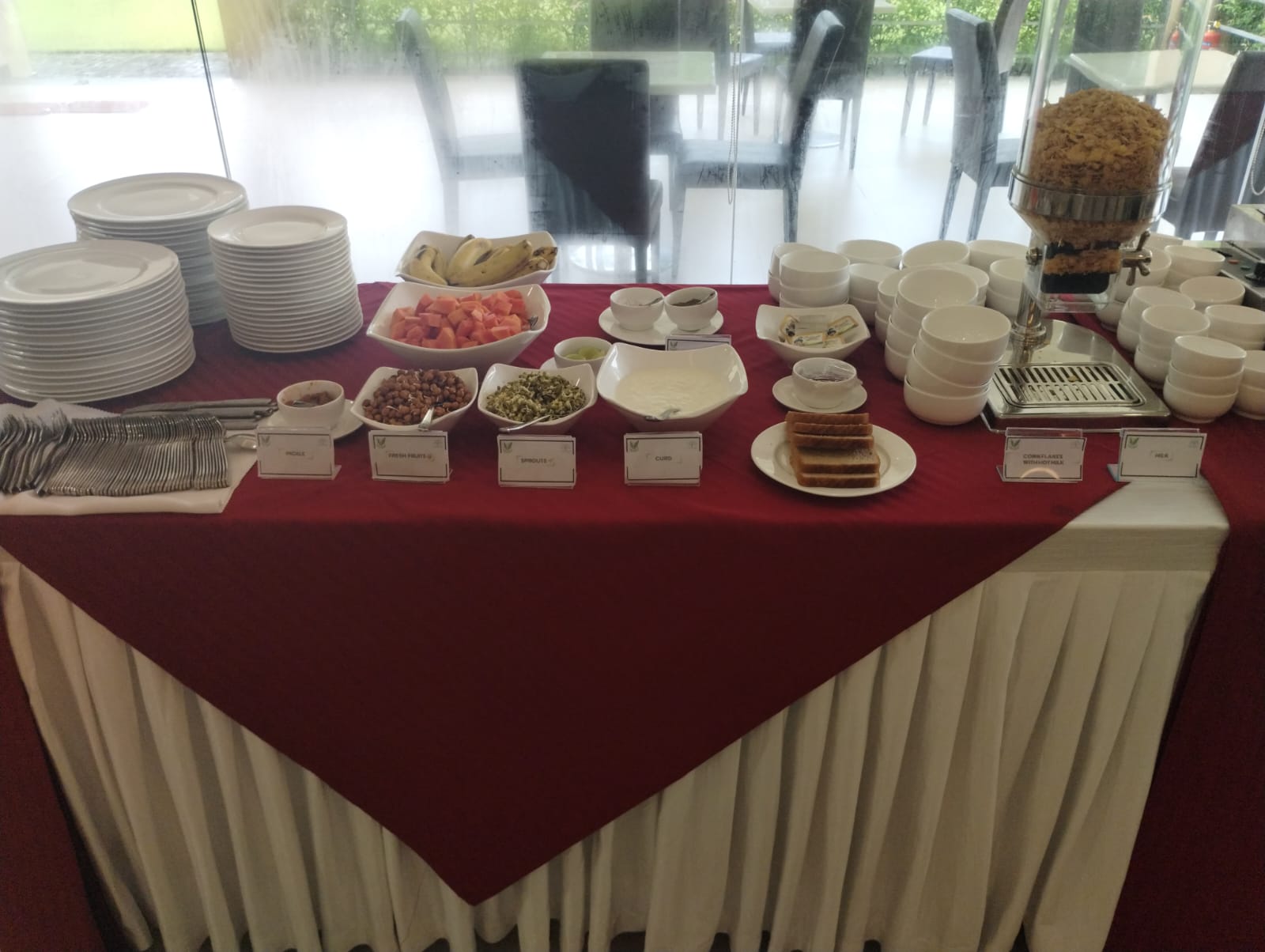
Healthy breakfast options, including fresh fruits and cereals, provided at the Best Old Age Home in Kolkata.

Financial Planning and Legal Safety: The WB HIRA & MWPSC Framework

Transparency is the highest form of respect. When families ask about Jagriti Dham, Kolkata’s charges, they aren’t just asking about a price—they are asking about security. Our project is fully compliant with the West Bengal Housing Industry Regulatory Authority (HIRA), ensuring that every safety claim we make is audited and legally binding.

  • The 100% Refundable Deposit Model: Typically ranging from 30L to 40L, this model provides a long-term stake in the community while ensuring the family’s capital is protected. It is an interest-free maintenance security deposit that guarantees residency.
  • Monthly Fees: Starting at approx. 45,000 + GST, these all-inclusive charges cover everything from 24/7 nursing and nutritious meals to air conditioning, electricity, housekeeping and Wi-Fi.
  • The MWPSC Act (2007): We guide families through this vital safety net, which ensures that seniors have the right to maintenance and a dignified environment protected by the state.

Frequently Asked Questions (FAQs)

  • How do you handle medical emergencies?

 At Jagriti Dham, we ensure immediate safety through our 24/7 on-site trained nurse and dedicated ambulance always on call. By maintaining strategic tie-ups with premier multi-speciality hospitals, we guarantee that advanced tertiary care is accessible within a critical 20-minute window.

  • What are the specific room amenities included in the charges?

Every room is a fully furnished room with an AC, featuring a TV, fridge, and balcony. Safety amenities like emergency pull cords and anti-skid bathrooms are standard in every room. It also includes access to premium social spaces like our AV theatre, cards room, indoor games room, etc.

A New Chapter of Dignity

Choosing a luxury old age home in Kolkata is perhaps the most significant decision a family can make. It is a transition from a life of “managing” to a life of “thriving”. At Jagriti Dham, we don’t just provide a room; we provide a 200-acre sanctuary where your parents can rediscover their hobbies, their health, and their joy.

About Jagriti Dham

This guide was curated by the Jagriti Dham (https://www.jagritidham.com/) team. Jagriti Dham, Kolkata’s most luxurious senior citizen home and Eastern India’s first IGBC-certified Green senior living facility, was visualised as creating a centre of excellence incorporating special amenities to aid the holistic development of senior citizens. It promotes the concept of active ageing and aims to create an age-integrated society where elders can live independently while receiving the best possible care through assisted living. Unlike other old age homes, Jagriti Dham’s vision extends beyond the walls, allowing elders to have a hassle-free life in a peaceful, like-minded community.

Experience Jagriti Dham

We invite you to visit our website to explore our full range of luxury amenities and see our vibrant community in action.

Stay connected with our vibrant community and keep up with our latest updates by following us on Facebook, YouTube, Google My Business, LinkedIn, and Instagram.
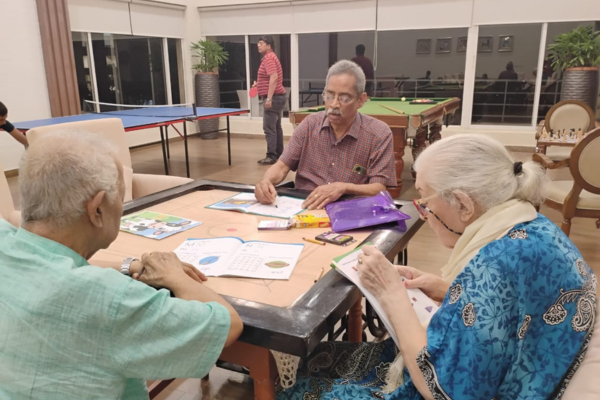
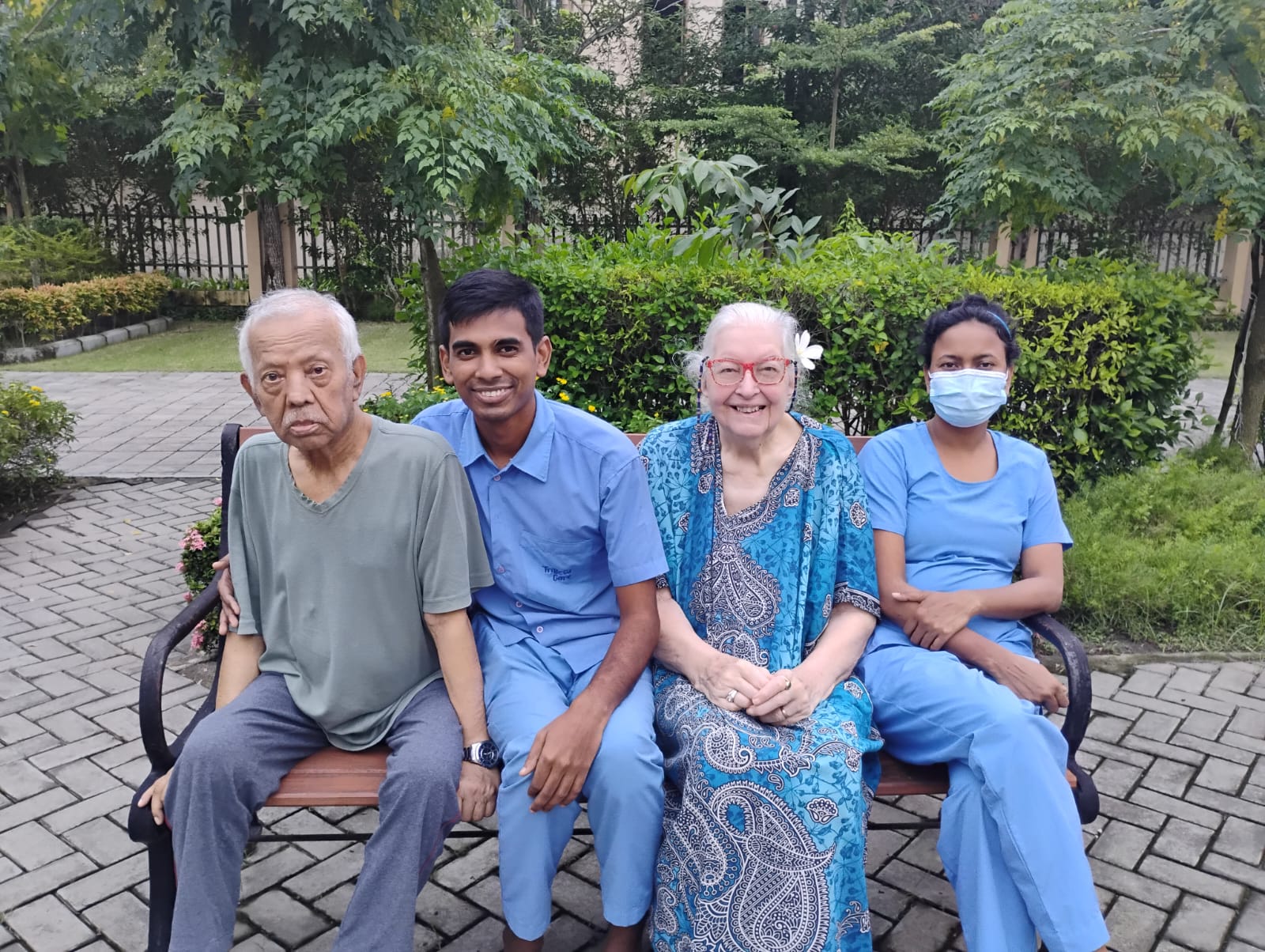
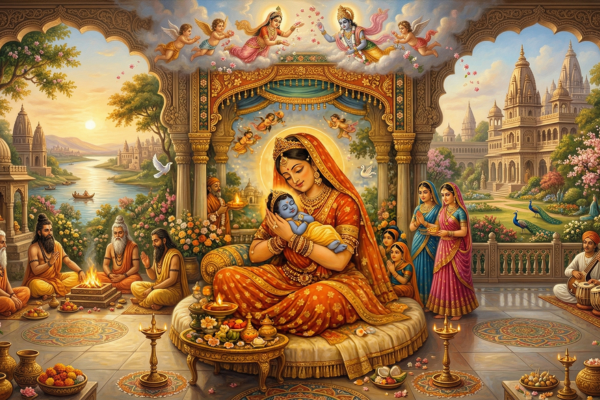
Illustration of Queen Kausalya holding infant Lord Rama during Ram Navami celebrations with sages and deities.

Shri Ram Navami: The Sacred Ascendance of the Lord of Ayodhya and the Eternal Victory of Dharma

Amidst the resplendent and glistening canvas of Bharat’s spiritual consciousness, there are few celebrations that shine with as much glory, sanctity, and joy as Shri Ram Navami. This holy day commemorates the advent, in this terrestrial world, of Maryada Purushottam Shri Ram—the ideal man, the epitome of righteousness, and the seventh divine incarnation of Lord Vishnu. Yet, this celebration is not limited to commemorating a birth; it is a plunge into the depths of Dharma, a prayer to establish a kingdom of Ram – Ramrajya, and a heavenly bridge to connect finite hearts with the Infinite Divine.

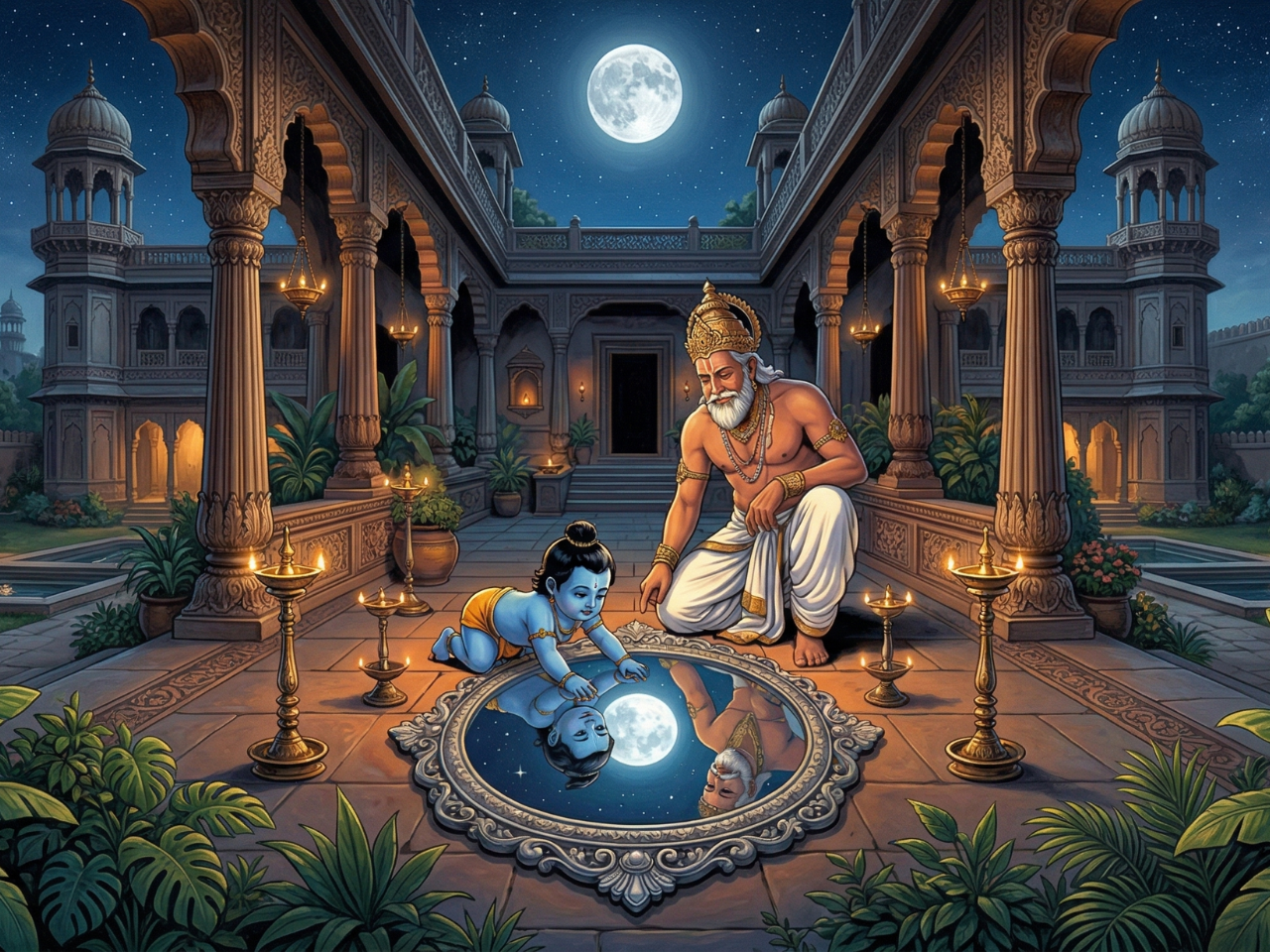
Young Lord Rama looking at the moon's reflection in a mirror with King Dasharatha in a royal palace courtyard.

Shri Ram Navami: More Than a Festival

Shri Ram Navami, commemorated on the ninth day of the bright fortnight of Chaitra in the Hindu lunisolar calendar, is not only a celebration but a holy commemoration. The term “Akshaya,” meaning eternal or imperishable, is an ideal term to define this day of worship, as the spiritual rewards acquired and blessings bestowed through worship and recollection on this day are indeed boundless. On this holy day of worship, it is said that the whole universe is filled with an invigorating divine energy, and the very air is filled with the name of Ram. 

From Ayodhya, the place of his birth, to every nook and corner of the world, millions of hearts sing “Jai Shi Ram” – a hymn of worship and adoration to this godly figure. It is a day of spiritual cleansing and rededication of oneself to the pursuit of righteousness and virtue. In an era characterised by chaos and conflict, the message of Ram Navami — of the final victory of good over evil, of light over darkness, of Dharma over Adharma — remains an unchanging and unshakeable force of hope and inspiration.

The Manifestation of Maryada Purushottam: The Divine Advent of Shri Ram

The sacred story of Shri Ram Navami is inextricably linked with the epic Ramayana, written primarily by the ancient poet Valmiki and later lovingly recounted by several saints and bards, above all by Sant Tulsidas in his magnum opus “Ramcharitmanas.”

The divine incarnation of Shri Ram, according to the Puranic tradition, was not a random event in cosmic history but a cosmic necessity. The world was in the throes of pain under the rule of King Ravana, whose Adharmic deeds and swollen ego were threatening to create a disturbance in the entire cosmos. Ravana, who had obtained a boon from Lord Brahma to render him almost invulnerable to attacks by all living beings, could be defeated by a human being — a fact which Ravana deliberately ignored in his arrogance.

Owing to the prayers of the Devas and despicable cries of Mother Earth, Lord Vishnu, in his boundless mercy, decided to take incarnation as the son of King Dasharatha and Queen Kausalya in Ayodhya. King Dasharatha, who had remained childless despite his three marriages, had performed the Putrakameshti Yajna under the guidance of Sage Rishyashringa. A divine being arose from the sacred fire and offered the king a pot of heavenly payasam, urging him to distribute it among his queens.

On the Navami Tithi of the bright half of Chaitra, when the moon entered the Punarvasu Nakshatra, Lord Shri Ram took birth as the firstborn of Queen Kausalya. Lord Bharata, Lord Lakshmana, and Lord Shatrughna were born on the following days as brothers of Lord Ram. The concurrent and harmonious birth of divine light in four forms is an extraordinary phenomenon. The sky was filled with joy, flowers rained from heaven, and the whole city of Ayodhya was filled with an aura of divine joy.

The history of Ram Navami is a testimony to the divine promise that when uprightness declines and immorality prevails, the Supreme Lord Himself takes birth on Earth to re-establish Dharma and protect the righteous.

The Rāmopākhyāna: The Presence of Rama in the Mahabharata

While the Ramayana is the most important text that reveals the life and teachings of Shri Ram, the ideals and acts of Shri Ram also find a significant echo in the grand narrative of the Mahabharata. There are many instances in the Mahabharata where the characters are seen referring to the ideals and acts of Shri Ram, revealing the significant and profound impact that He left on the moral fabric of the land even before the events leading to the Mahabharata began to unfold.

  • Discussions on Dharma: Throughout the Mahabharata, as various characters grapple with various complex moral conundrums and questions of Dharma, the name of Shri Ram is frequently cited as a reference point. Lord Krishna, in his capacity as a divine mentor, frequently cites Rama to elucidate a point about the nuances of right action and the need to adhere to duty despite adversity.
  • Reference in the Vana Parva: The section referred to as the “Rāmopākhyāna” is the Ramayana in brief, included in the Mahabharata. The sage Markandeya, with the purpose of consoling Yudhishthira during the exile of the Pandavas, narrates the tale of Rama, emphasising the tremendous pain and agony He suffered without any change of heart or deviation from the path of truth and virtue.
  • The Teachings of Bhishma: Bhishma Pitamah, while lying on his bed of arrows, in his teachings to Yudhishthira on Rajadharma, often speaks of Ramrajya and the ideal nature of Shri Ram’s rule.

Thus, the reference to Ram in the Mahabharata fulfils a dual purpose: it connects the younger epic to an older and more established code of morals, and underlines the timelessness and inter-generational applicability of the ideals represented by Maryada Purushottam.

Ram Navami Celebrations in various temples of India

Shri Ram Navami is observed with unprecedented fervour and devotion across the length and breadth of India. In the following lines, we are giving our readers a glimpse into the Ram Navami celebrations observed at some of the most prominent temples in India:

Collage of famous Rama temples: Shri Ram Janmabhoomi Ayodhya, Sri Raja Ram Orchha, and Kanak Bhawan.

  • Shri Ram Janmabhoomi and Kanak Bhawan, Ayodhya (Uttar Pradesh) – The Epicentre of Devotion: The entire city of Ayodhya is a heavenly abode as it is the sacred birthplace of Maryada Purushottam. The uniqueness of this celebration is that it is a month-long festival of Chaitra Ram Navami Mela. The celebrations begin with a holy dip at the sacred river Sarayu before dawn. The celebrations at Kanak Bhawan, which is believed to be the palace gifted to Sita by Queen Kaikeyi, are extremely personal, with Sohar songs being sung throughout the day and a grand Abhishek at exactly midday, marking the divine arrival of the Lord.
  • Sri Raja Ram Temple, Orchha, Madhya Pradesh – The King’s Guard of Honour: In Orchha, Shri Ram is not just worshipped as the Divine, but also revered as the supreme King, i.e., Raja Ram. This is the only temple in India where Lord Ram is accorded a royal Guard of Honor by the local police every day, and on Ram Navami, it is indeed a spectacular sight. The architecture of the temple is also like a royal palace, and the rituals performed in the temple are also like a royal court, befitting His status as the supreme King of the land.
  • Sri Sita Ramachandraswamy Temple, Bhadrachalam, Telangana – The Celestial Wedding: The ‘Ayodhya of the South,’ Bhadrachalam is renowned for its grand celebration of Sri Sita Rama Kalyanam, a celestial wedding ceremony that takes place exactly on Ram Navami Day. Millions congregate along the Godavari River banks to observe this grand event that is televised from Bhadrachalam. The unique tradition is that the state government presents pearls (Mutyala Talambralu) and silk garments to the divine couple as a token of devotion, a tradition that was initiated by Bhakta Ramadas and the Qutb Shahi Kings.

Architectural heritage of Lord Rama: Raghunath Temple Jammu, Hazara Rama Hampi, Kalaram Nashik, and Rameswaram.

  • Kalaram Temple, Nashik (Maharashtra) – The Echoes of Panchavati: Situated in the sacred region of Dandakaranya forest, where Shri Ram, Sita, and Lakshman spent a considerable portion of their exile (Panchavati), is a unique black stone (Kala) idol of the Lord. The Ram Navami celebrations are highlighted by a massive Rath Yatra procession through the old city. The ambience is permeated with the recitation of the Ram Raksha Stotra, underlining the role of Ram as a protector during His stay in the forest.
  • Ramanathaswamy Temple, Rameswaram (Tamil Nadu) – The Synthesis of Hari and Hara: Rameswaram is the sacred place where Shri Ram worshipped Lord Shiva. The special Ram Navami festival of Rameswaram is the holy bath in the 22 sacred Teerthams (temple wells), which were created by the arrows of Ram. The festival is the synthesis of Shaivite and Vaishnavite traditions and emphasises the absolute non-duality of Lord Shiva and Lord Ram.
  • Hazara Rama Temple, Hampi, Karnataka – The Kishkindha Connection: Hampi, the ancient Vijayanagara Empire, is geographically related to Kishkindha, the kingdom of the Vanaras, a race of monkeys, and of Lord Hanuman. The Ram Navami festival around the Hazara Rama and Virupaksha temples is accompanied by Carnatic music recitals and classical dance dramas depicting the Kishkindha Kanda and Sundara Kanda, narrating the story of the eternal association between Ram and His supreme bhakta, Hanuman.
  • Raghunath Temple, Jammu (Jammu & Kashmir) – The Dogra Devotion: Situated in one of the biggest temple complexes in North India, Raghunath Temple contains a million Saligrams. On Ram Navami day, the special feature of Raghunath Temple in Jammu is the grand Shobha Yatra, which highlights the martial and royal heritage of the Dogra rulers. Beautifully decorated tableaus or jhankis of scenes from Ramayana are part of the procession, along with Dogri folk songs and martial arts.

Divine sites of Ramayana: Banke Bihari Vrindavan, Janaki Mandir Sitamarhi, and Sree Ramaswami Temple Thiruvangad.

  • Sree Ramaswami Temple, Thiruvangad, Thalassery, Kerala – The Brass Pagoda’s Artistic Offering: The temple is called the ‘Brass Pagoda’ owing to its copper-sheeted roof. It is one of the most prominent Ram temples in Kerala. The speciality of this temple is that Ram Navami is celebrated along with its annual festival by presenting traditional temple arts. The festival is marked by the celebration of Chakyar Koothu and Koodiyattam, ancient Sanskrit theatrical performances that narrate the Ramayana episodes in a highly stylised form.
  • Janaki Mandir, Sitamarhi (Bihar) – The Veneration of the Divine Mother: The district of Sitamarhi is revered as the birthplace of Goddess Sita. Although it is Ram Navami, the spiritual flavour of this temple is different from others. The rituals are centred around the worship of Sita as a Divine Mother. Fairs are conducted during this time. Special Maithili Folk Music is performed by women that describes the childhood of Sita and her divine marriage with the Lord of Ayodhya.
  • Sri Krishna Balaram Mandir (ISCKON) and Banke Bihari, Vrindavan, Uttar Pradesh – The Non-Dual Ecstasy of Ram and Krishna: Ram Navami is celebrated in the very land of Krishna to assert the absolute spiritual truth that Ram and Krishna are one. The uniqueness is in the form of Akhand Harinaam Sankirtan, where the chanting is continuous. The forms of Krishna and Balaram are uniquely decorated with Ram and Lakshman’s forms, carrying bows and arrows, so that the bliss of Ayodhya is available in Vrindavan.

Jagriti Dham: A Living Embodiment of Ramrajya and Devotion

While the grand temples across Bharat resonate with massive crowds, the spirit of Shri Ram Navami finds a uniquely serene and heartfelt expression at Jagriti Dham in Kolkata. Here, the celebration transcends public ritual to become a lived experience of Ramrajya—a community anchored in peace, dignity, and Dharma. In this tranquil setting, the ‘Inner Ram’—the potential for love and compassion—is celebrated through shared stories and collective reflection, proving that in the modern landscape of assisted living in Kolkata, the eternal light of Maryada Purushottam shines brightly within the hearts of the elders. It is a day where the wisdom of the seniors meets the divine energy of the Avatar, creating an environment of harmony and spiritual belonging.

Some Unique Ram Navami Rituals

Apart from the general puja and procession, Ram Navami is observed by a series of unique rituals that enhance the already rich spiritual essence of the festival. These include:

  • Akhand Ramayan Path: One of the most popular and spiritually charged rituals of Ram Navami is the Akhand Ramayan Path. It involves the non-stop reading of the Ramcharitmanas or the Valmiki Ramayana over a 24-hour period. This is a spiritually charged ritual that involves the reading of the Ramayan by a group of people. The ritual is believed to purify the entire atmosphere and impart immense spiritual blessings on the readers as well as the listeners.
  • Rama Navami Kalyanam: Though a crucial aspect of the Bhadrachalam festival, the celestial marriage ritual of Sita and Rama is observed throughout the country, particularly in the South. This ritual is not merely a symbolic re-enactment of the marriage of the divine couple; it is a living embodiment of the spiritual truth that the soul is meant for a union with the divine.
  • Processions with Unusual Elements: There are some Shobha Yatras that carry unusual and less common elements. For example, in some parts of North India, enormous and traditional chariots with unusual intricate designs or specific animals (such as elephants or horses) adorn the Ram Navami procession. Additionally, in some parts of Odisha and Andhra Pradesh, the traditional art forms and dance dramas that are specific to that area are also an integral part of the Ram Navami procession.
  • Bhajan Sandhyas and Kirtans: Ram Navami is essentially a musical festival. Apart from the specific pujas and rituals, the evening-long, continuous Bhajan and Kirtan sessions evoke an unmistakable and omnipresent feeling of the presence of the divine. This allows the devotees to get completely absorbed in the ecstatic chanting of the Lord’s name.
  • Ratha Yatras: There are small-scale and devoted Ratha Yatras that take place in various parts of the country. A beautifully decorated ratha carries the idols of Ram, Sita, and Lakshmana, and the devotees pull the ratha with enthusiasm.
  • Panagam and Kosambari Distribution: Perhaps the most iconic and unique food ritual is the preparation and distribution of “Panagam,” a cooling and refreshing drink prepared with jaggery, lemon juice, ginger, and cardamom, and “Kosambari,” a Sattvic salad prepared with moong dal, vegetables, and grated coconut. The preparation of Panagam is said to have been taught by Lord Hanuman himself. The distribution of these food items is considered a great charity, particularly during the advent of the summer season.

Ram Navami outside India

The Divine Light of Shri Ram Navami are not limited to the territorial boundaries of India. The Hindu diaspora has found new homes wherever they have gone, but they have carried along with them this sacred flame of devotion and adapted it to their new territories while keeping it spiritually pure.

  • Nepal: In Nepal, where Hinduism is an integral part of the culture and tradition, Ram Navami is celebrated with immense grandiosity and national fervour.
    • Janakpur Celebrations: As Janakpur is the birthplace of Sita, the celebrations are centred around this place. The grand “Janaki Vivah Panchami” festival, which concludes on Ram Navami, is a grand event where processions, classical music, dance dramas, and puja ceremonies are held at the historic Janaki Mandir.
    • National Holiday: This is a national holiday in Nepal, and grand celebrations are also held across other major temples such as Pashupatinath Temple in Kathmandu.
  • Sri Lanka: With multiple locations associated with the Ramayana Trail, Sri Lanka has its own unique connection to the epic.
    • Trincomalee and Seetha Eliya: Grand celebrations are held across multiple locations, such as Trincomalee, where Ravana is said to have performed penance, and Seetha Eliya, where Sita is said to have been held captive. The focus is on narrating stories from the epic and celebrating the ultimate triumph of good over evil.
  • Mauritius, Trinidad, Guyana, Fiji, and Suriname: In these countries, where the descendants of indentured labourers have managed to preserve their Indian culture, Ram Navami is an important festival celebrated with much enthusiasm. The celebrations are carried out around local Rama Temples (Ramayan Mandlis), and activities include:
    • Community Pujas: Families come together to perform collective Pujas, Bhajans, and read from the Ram Charitmanas.
    • Cultural Programs: Grand cultural programs are organised to keep the younger generation involved in their culture through traditional music, dance dramas, and ‘Ram Leelas.’
    • Community Meals: Community meals are organised, with Sattvic food and sweets being distributed. The festival is seen as a strong manifestation of their strength and resilience as a people and a reminder of their spiritual heritage.
  • USA, UK, Canada, Australia, and New Zealand: In today’s scenario, with large Hindu populations, grand arrangements are made on the occasion.
    • Grand Pujas and Bhajans: Grand community functions are conducted in temple halls, with special abhisheks, intense akhand kirtans performed by popular bhajan groups, and inspiring lectures delivered by visiting spiritual gurus.
    • Processions and Shobha Yatras: Grand Shobha Yatras with decorated floats and chanting of “Jai Shri Ram” pass through the streets in some of these major cities, thus giving an expression of their faith and identity.

The celebration of Ram Navami outside of India therefore, stands as a symbol of the power of Dharma and a reassuring demonstration to the diaspora’s unwavering commitment to their ancient and rich spiritual heritage.

Ram Navami food

Food in Indian spirituality is not only seen as something to be consumed to obtain sustenance for the body, but is also considered to be a means to achieve purity within and without. The food prepared and consumed on Ram Navami is a direct manifestation of this profound and ancient spiritual philosophy that is embedded within Indian culture and tradition.

Traditional Ram Navami prasad: Kosambari (moong dal salad) and Panakam (jaggery drink) in brass and silver bowls.

  • Prasad:
  • Panagam: This cooling and refreshing beverage made from jaggery, lemon juice, ginger, and cardamom is the hallmark of Ram Navami prasad, especially in South Indian culture.
  • Kosambari: This is a Sattvic salad made from moong dal, vegetables, and coconut. This is considered a healthy and balanced prasad.
  • Vadapappu: This is a simple dish made from lentils. This dish is commonly consumed along with Panagam and Kosambari. This dish is considered to be a comfort food and is added to the prasad to give it a sense of earthy simplicity.
  • Sweet Offerings: Various types of halwas, payasams, and special sweets made from milk, nuts, and sweeteners are prepared as prasad.
  • Sattvic Nature:
    • Avoidance of Onion and Garlic: In accordance with the Sattvic nature, food items that contain onion and garlic, which have ‘Rajasic’ and ‘Tamasic’ properties, are completely avoided on this day.
    • Focus on Grains and Pulses: Food items like rice, moong dal, and all types and combinations of fruits and vegetables are included in the traditional food on this day.
  • Seasonal Food:
    • Cooling Foods: Since Ram Navami occurs in the pre-summer season, traditional food items like Panagam and Kosambari have been prepared in such a manner that they contain cooling ingredients like jaggery, lemon, and ginger, apart from ingredients like lentils and vegetables that provide balanced nutrition.
  • Spiritual Meaning:
    • Spiritual Significance: The first and foremost reason for cooking and preparing food on this day is to offer it to the god with utmost love and affection, and then consume it and share it with others in society.
    • Purification: It is believed that food that is pure and offered can not only purify the physical body but also the mind and soul.

The food on Ram Navami is therefore an amalgamation of flavours and spirituality, depicting how faith, nutrition, and spirituality are interlinked and have been an integral part of our ancient culture and tradition.

Unknown facts about Ram Navami

Though Shri Ram Navami is one of the most popular and widely celebrated festivals around the world, there are many unknown facts about it that are simply fascinating. Here’s a glimpse of the lesser-known ‘Unknown Facts’ about the festival:

  • The Midday Manifestation – Worship at the Sun’s Zenith: While the birth of Sri Krishna takes place at the stroke of midnight to commemorate the arrival of the Lunar Dynasty (Chandravanshi) Lord, the birth of Lord Ram occurs at the stroke of midday. This is because Sri Ram was born into the Solar Dynasty (Suryavansha). As per the scriptures, the Supreme Lord manifested on this day at Abhijit Muhurta (the most sacred time of the day), i.e., at midday when the Sun was at its zenith. To this day, the most important Aarti and Abhishek of Ram idols around the globe take place at exactly 12:00 PM – the symbol of the Supreme Light dispelling the darkness of ignorance.
  • The Culmination of Divine Mother Worship (Navratri): One fails to realise that Ram Navami is not an independent festival; it is the culmination of the nine-day-long festival of Chaitra Navratri or Vasant Navratri. During these nine days, the nine avatars of Goddess Durga or Shakti are worshipped with great fervour and enthusiasm. On the tenth day, Ram appears. This is the culmination of the spiritual philosophy of the universe. One needs to purify the mind and attain the birth of the inner energy (shakti) before the Supreme Consciousness (purusha or Ram) appears.
  • The “Surya Tilak” and Archaeoastronomy: It may be noted that the Indian temple architecture was inextricably linked with astronomy, a fact beautifully revived in recent times. It was found in various historical Ram temples across the country that the architecture of these temples was so carefully planned that on a particular day of Chaitra Navami at precisely noon time, the rays of the Sun would penetrate through the mandapa of the temple and fall precisely on the forehead of the deity. This “miracle,” known as “Surya Tilak,” or anointing of the deity with the Sun God itself, is now beautifully implemented in the magnificent Ram Janmabhoomi Temple in Ayodhya.
  • The Deep Ayurvedic Science of the Prasad: The food that was distributed on the day of Ram Navami—specifically in the southern parts of India—is an epitome of the ancient science of Ayurveda. The festival marks the change of season from spring to the scorching Indian summer. The Ayurvedic concoctions of Panagam (jaggery, dry ginger, cardamom, and lemon water) and Neer Mor (spiced buttermilk) were not merely sweet dishes; they were scientifically prepared, natural rehydrating agents and energy boosters. The spiritual founders of Bharat had devised the prasad to cool the body and maintain the pitta dosha of the masses under the umbrella of divine grace.
  • Reverence Beyond Sanatana Dharma: The Jain Connection: Though it is celebrated as a Hindu festival around the world, the spiritual significance of Shri Ram is revered by Jains as well. In fact, Ram is referred to as Padma in the Jain Ramayana, i.e., Trishashthi Shalaka Purusha Charitra. He is revered as the eighth incarnation of Balabhadra, an enlightened, non-violent, and elevated soul. Jains worship Him as a supreme upholder of Dharma and Ahimsa. In fact, this day is observed as a day of reverence by many traditional Jain families by reading the Jain Ramayana itself.

Timeline of celebration of Ram Navami through history

The history behind how Shri Ram Navami came to be celebrated in the way that we see today is a very interesting and intricate history, full of threads from religious texts, saintly devotion, and political and social history. While it is very difficult to pinpoint an exact timeline, we can look at some movements and periods that have shaped Shri Ram Navami in the way that we see today:

  • Ancient India (The Epics and Puranas Period): For centuries after Shri Ram, the celebration was limited to royal circles or within scholarly circles among the sages. The concept of public festivals was still in an evolutionary stage.
    • Courtly Rituals: It can be inferred from some of the early Puranic texts that some rituals, including special sacrifices and the adoration of the king, might have been conducted to seek the blessings of Rama.
    • Limited Public Scope: While the memory and history of Shri Ram were in place, the active and massive-scale celebration of Shri Ram Navami by the masses was not in place.
  • Medieval India (The Bhakti Movement): The most important period for the evolution of the festival into its modern form was marked by the widespread popularity of the Bhakti Movement.
    • The Vernacular: The chief figure of this movement was Sant Tulsidas, who lived during the 16th century. He wrote “Ramcharitmanas,” which narrates the epic Ramayana in Avadhi, a vernacular form of the Sanskrit epic. The life of Ram was now accessible to the common man.
    • Massive Public Fervour: The Bhakti Movement, led by Tulsidas and other Bhakti Saints like Ramananda and Samarth Ramdas, introduced a new tradition of continuous chanting, kirtans, and communal readings of the Ramayana. The result was a massive outpouring of fervour.
    • Grand Temples and Aartis: The tradition of grand temples and aartis, along with non-stop kirtans, became prominent during this period. The festival had now become a popular event.
  • The Mughal and British Period:
  •  Patronage vs. Adaptation: During the long period, the festival has adapted, with some patronage from the princely kingdoms and Hindu generals in the Mughal army. In some areas, the festival has been challenged socially and/or politically, leading to a greater emphasis on the inner, domestic nature of the festival and/or subtle adaptations. There are examples of conflicts, and these have shaped the specific, assertive nature of the festival in certain areas.
  • Post-Independence India:
  • Shobha Yatras: The most significant change in the festival is the widespread growth of Shobha Yatras, which have become a defining feature of the Ram Navami festival, especially in North India, since 1947. This phenomenon has been very visible and widespread from the 1980s onwards.
  • Media and Technology: Telecasting of live pujas, bhajans, and the use of social media have further increased the scope of the festival, resulting in a global family of devotees of Ram.
  • A Prominent National Festival: The festival has moved from being a regional and/or communal festival to being a national festival that is celebrated with equal fervor across the length and breadth of India.

Mantras of Ram Navami

The Indian spiritual tradition holds the power of sound in great esteem as the Supreme Reality in the form of Sound itself – Shabda Brahman. Reciting the mantras on the sacred day of Shri Ram Navami is believed to purify the mind and burn the karmic impurities while awakening the divine love within the heart of the devotee. 

  • The Taraka Mantra (The Mantra of Liberation): This is an effective and powerful rhythmic chant that was popularised by the great saint Samarth Ramdas. “Taraka” means that which helps one cross the ocean of worldly illusions – Samsara. 
    • Sanskrit: श्री राम जय राम जय जय राम॥
    • Transliteration: Shri Rama Jaya Rama Jaya Jaya Rama
    • Meaning: “Glory to Lord Rama, Victory to Lord Rama, Supreme Victory to Lord Rama.”
  • The Moola Mantra (The Root Invocation): This is the fundamental seed mantra for worshipping Shri Ram. It is simple, powerful, and excellent for meditation with a Tulsi or Rudraksha mala.
    • Sanskrit: ॐ श्री रामाय नमः॥
    • Transliteration: Om Shri Ramaya Namah
    • Meaning: “Om, I bow to the divine Lord, Shri Ram.” This is a wonderful declaration of the total surrender of our ego to the lotus feet of the Supreme.
  • Shri Ram Gayatri Mantra (For Intellect and Righteousness): Just as the Gayatri Mantra is a powerful invocation of the Sun, the Ram Gayatri is a powerful invocation of Shri Ram, the descendant of the Solar Dynasty, to guide our intellect and lead us along the path of righteousness and Dharma.
    • Sanskrit: ॐ दाशरथये विद्महे सीतावल्लभाय धीमहि, तन्नो रामः प्रचोदयात्॥
    • Transliteration: Om Dasharathaye Vidmahe, Sita Vallabhaya Dheemahi, Tanno Ramah Prachodayat.
    • Meaning: “Om, let us meditate on the glorious son of King Dasharatha; let us focus our minds on the beloved Lord of Mother Sita. May that Lord Rama inspire and illuminate our intellect.”
  • The Shiva Proclaimed Mantra (From the Vishnu Sahasranama): The mantra is a dialogue between Lord Shiva and Goddess Parvati.
    • Sanskrit: श्री राम राम रामेति रमे रामे मनोरमे । सहस्रनाम तत्तुल्यं रामनाम वरानने ॥
    • Transliteration: Shri Rama Rama Rameti, Rame Rame Manorame; Sahasranama Tattulyam, Rama Nama Varanane.
    • Meaning: Lord Shiva says: “O beautiful-faced one (Parvati), I constantly chant the holy name of Rama, Rama, Rama, and thus delight in that beautiful sound. This holy name of Shri Rama is equal to the one thousand holy names of Lord Vishnu.”
  • The Maha Mantra (The Great Chant): This mantra is referred to in the Kali Santarana Upanishad and is regarded as the most powerful chant for spiritual upliftment in the present day (Kali Yuga). It is a celebration of the non-dual essence of Hari through His avatars Krishna and Rama.
    • Sanskrit: हरे कृष्ण हरे कृष्ण कृष्ण कृष्ण हरे हरे । हरे राम हरे राम राम राम हरे हरे ॥
    • Transliteration: Hare Krishna Hare Krishna, Krishna Krishna Hare Hare; Hare Rama Hare Rama, Rama Rama Hare Hare.
    • Meaning: “O divine energy of the Lord (Hare), O all-attractive Lord (Krishna), O supreme reservoir of pleasure (Rama), please engage me in Your loving, devotional service.”
  • Mantra for Surrender and Protection (Sharanagati): This mantra is frequently chanted by devotees who seek refuge in and surrender to Lord Rama completely. 
    • Sanskrit: लोकाभिरामं रणरङ्गधीरं राजीवनेत्रं रघुवंशनाथम् । कारुण्यरूपं करुणाकरं तं श्रीरामचन्द्रं शरणं प्रपद्ये ॥
    • Transliteration: Lokabhiramam Rana Ranga Dhiram, Rajiva Netram Raghuvamsha Natham; Karunya Rupam Karunakaram Tam, Shri Ramachandram Sharanam Prapadye.
    • Meaning: “I take refuge in Shri Ramachandra, who is pleasing to the entire world, who is courageous in the battlefield, whose eyes are like lotus petals, who is the Lord of the Raghu dynasty, who is the personification of compassion, and who is the ultimate giver of mercy.”

The mantras of Ram Navami are not merely the recitation of words; they are sound vibrations that are not only powerful and vibrant but are imbued with the presence of the Lord. While reciting these mantras with utmost devotion and heart-warming feelings, we are able to bring our finite consciousness in alignment with the infinite divine light of Maryada Purushottam.

Quotes on Shri Ram

The deep and complex essence of Shri Ram, termed the Ram-Tattva, has enthralled and inspired the best spiritual minds of Bharat for ages. He may be the ultimate historical embodiment of the perfect king to some, the ultimate object of Bhakti (devotion) to others, and the ultimate essence of eternal consciousness to the mystics.

  • Swami Vivekananda (The Heroic Ideal): Swami Vivekananda considered Shri Ram the epitome of human perfection in terms of strength and morality. He inspired the youth of India to find strength in Ram’s commitment to Dharma.

“Rama—the ancient idol of the heroic ages, the embodiment of truth, of morality, the ideal son, the ideal husband, the ideal father, and above all, the ideal king. This Rama has been presented before us by the great sage Valmiki. No language can be purer, none chaster, none more beautiful, and at the same time simpler, than the language in which the great poet has depicted the life of Rama.”

  • Goswami Tulsidas (The Supreme Anchor of Devotion): For the author of Ramcharitmanas, Goswami Tulsidas, the name of Ram was much greater than the form of Ram. He believed that the chanting of the name of Ram alone would bring salvation in the Kali Yuga.

“Kalyug kewal naam adhara, sumir sumir nar utarahi para.”

(In the age of Kali, the name of the Lord is the only foundation. By remembering and chanting it, mankind crosses the vast ocean of worldly existence.)

  • Sri Aurobindo (The Evolutionary Avatar): The great mystic-philosopher Sri Aurobindo looked upon the avatars as evolutionary markers of human consciousness. He saw Shri Ram as the avatar who created the perfect mental-ethical framework for humanity.

“He [Rama] came to establish the ethical ideal in the race… not the ideal only but the actual possibility, not only the truth but the realisation. He had to show that the Sattvic mind and the ethical will can govern the human being and the human life… He is the Avatar of the Sattvic mind—mental, emotional, moral—and he fulfilled his Dharma.”

  • Sant Kabir Das (The Omnipresent, Formless Ram): Kabir Das has beautifully synthesised the concept of Saguna and Nirguna. For Kabir, Ram was not just a historical figure who ruled over Ayodhya, but the omnipresent Supreme Spirit.

“Ek Ram Dasharath ka beta, ek Ram ghat ghat mein baitha. Ek Ram ka sakal pasara, ek Ram sabhun se nyara.”

(One Ram is the son of Dasharatha; another Ram resides in every single heart. One Ram is the creator of this entire universe, and one Ram remains completely detached and beyond it all.)

  • Adi Shankaracharya (The Advaitic Bliss): The famous non-dualistic philosopher Adi Shankaracharya, in his commentary on the Vishnu Sahasranama and Ram Bhujangam, described the esoteric significance of the term ‘Ram’ as the ultimate reality in which sages experience bliss.

“Ramante yogino anante nityanande chidatmani, iti rama padenāsau param brahmābhidhīyate.”

(The Yogis revel in the Supreme Brahman, who is eternal bliss and pure consciousness. Therefore, that Supreme Brahman is called by the name “Rama”.)

  • Morari Bapu (The Contemporary Voice of Ram Katha): A world-renowned exponent of the epic narrative Ramcharitmanas, Morari Bapu has made the esoteric teachings of the epic accessible in terms of universal human values.

“Truth, Love, and Compassion (Satya, Prem, Karuna) are the three eyes of Lord Rama. Ram implies that which causes you to rejoice. You need to go to that core. When you love, you are Ram; when you are compassionate, you are Ram; when you follow your Dharma, you are Ram.”

Shri Ram Navami is not merely a holiday or a festival; it is a spiritual event of paramount importance — “a bridge between our mortal hearts and the eternal divine light of Dharma.” It is an event where every aspect of the celebration—history, Shobha Yatras, mantras, quotes of saints — every aspect of the celebration carries with itself the unique and mighty message of Maryada Purushottam — “the message of truth, compassion, and commitment to one’s duties.” 

While celebrating Shri Ram Navami, let us not restrict ourselves to a particular celebration plan or event. Let us rather open ourselves to receive the direct and unmediated divine grace. Let us, like Sudama, offer our own ‘Poha’ of devotion hesitantly. Let us, like the Pandavas, receive our own ‘Akshaya Patra’ of divine wisdom, strength of compassion, and strength of Dharma. Let us, on this day of eternal abundance, rededicate ourselves to building a truer Ramrajya of love, compassion, and Dharma in our own hearts.

For, as Morari Bapu so poignantly reminds us all, ultimately, “Ram is not just outside; He is potential. He is the potential of love that causes you to rejoice. Go to that core.” Let this Shri Ram Navami be the dynamic start to this profound journey within ourselves to reach that place that is truly Akshaya and eternal light.

Jai Shri Ram!

About Jagriti Dham

Jagriti Dham, Kolkata’s most luxurious senior citizen home and Eastern India’s first IGBC-certified Green senior living facility, was visualised as creating a centre of excellence incorporating special amenities to aid the holistic development of senior citizens. It promotes the concept of active ageing and aims to create an age-integrated society where elders can live independently while receiving the best possible care through assisted living. Unlike other old age homes, Jagriti Dham’s vision extends beyond the walls, allowing elders to have a hassle-free life in a peaceful, like-minded community.

Stay connected with our vibrant community and keep up with our latest updates by following us on Facebook, YouTube, Google My Business, LinkedIn, and Instagram.