
Out-of-hospital care
Out-of-Hospital Care in Kolkata
Recovery and transition care for the weeks between hospital and home.
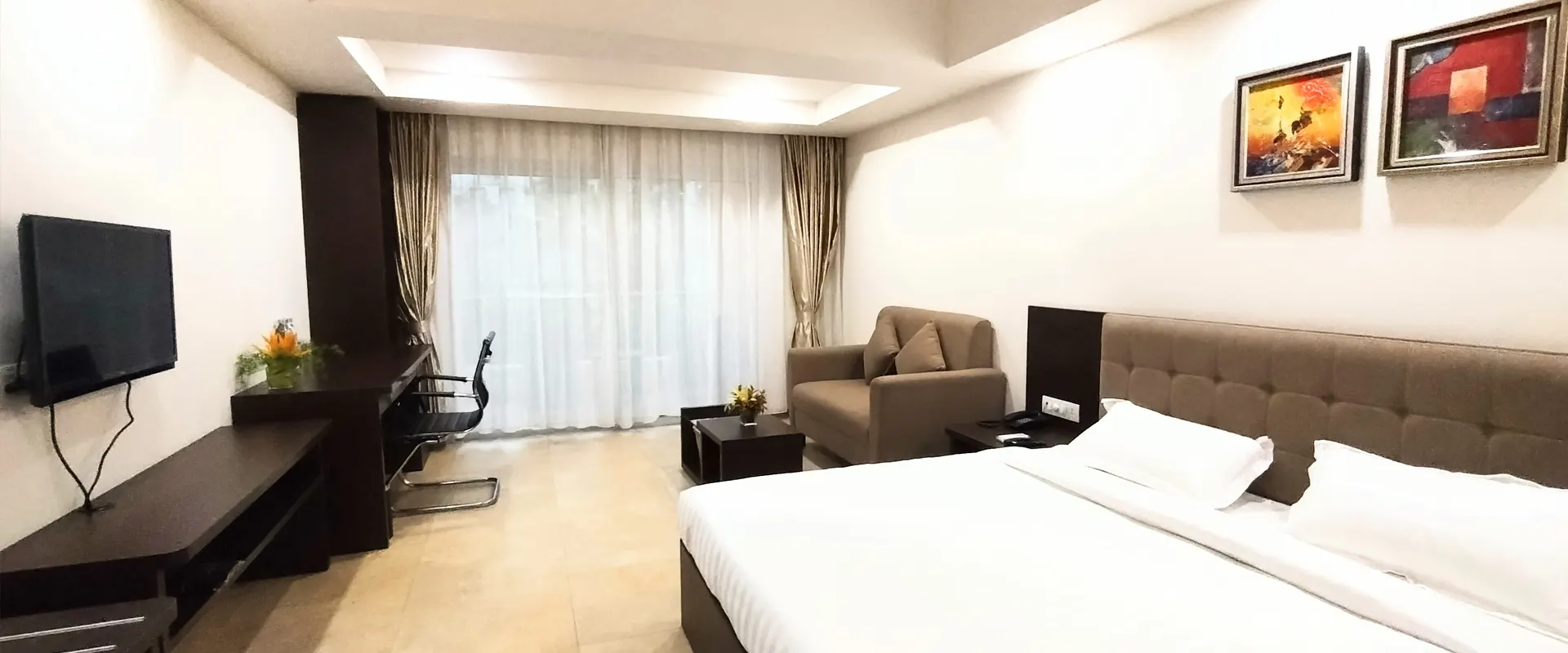
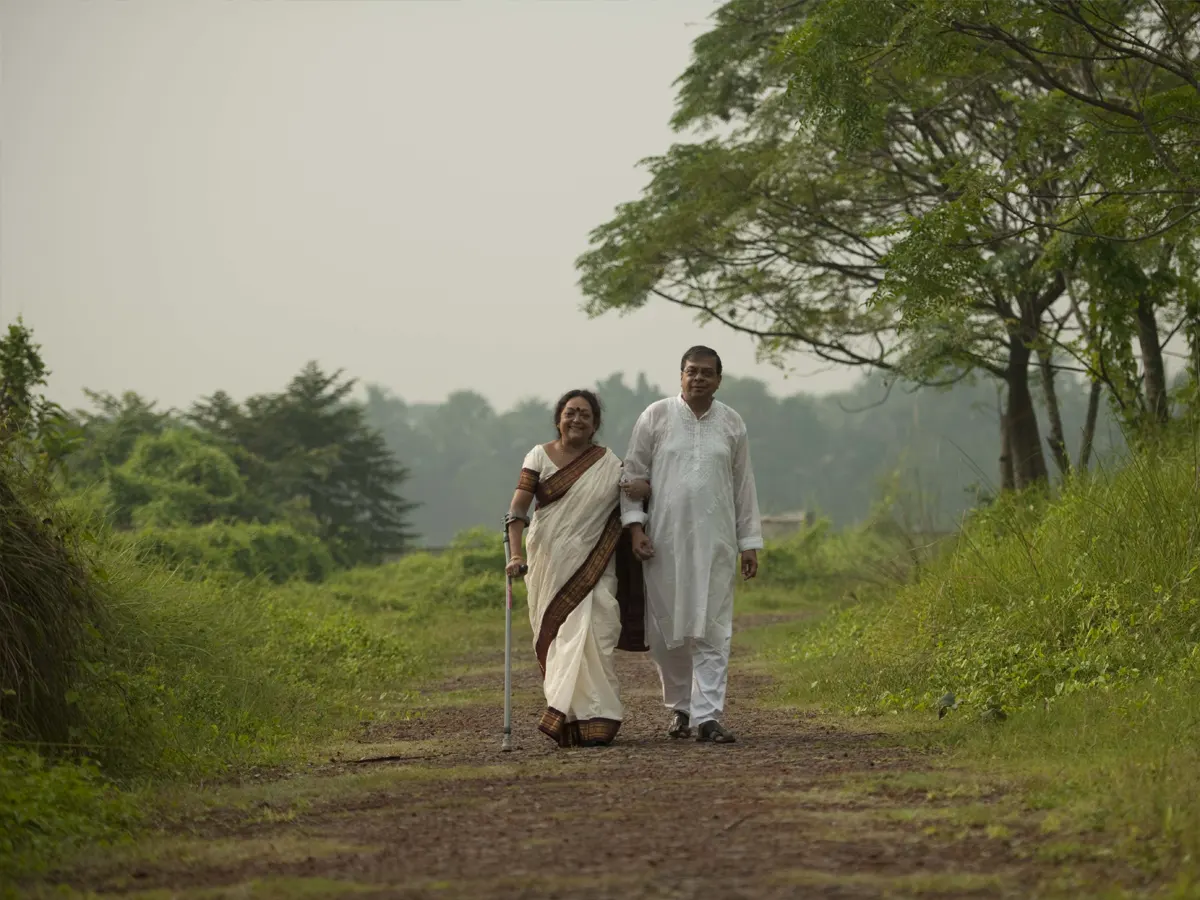
A hospital is the right place for treatment. Once the treatment is done, a hospital ward is not an easy place to get strong again, and home may not be ready yet. Jagriti Dham offers a calm place in between: a private room, care round the clock, and a steady routine while your mother or father recovers.
Families also call it post-hospital care, transition care, step-down care or care after surgery. Whatever the name, at Jagriti Dham it is a short stay with care, from one night to a few months, before going home.
- Length of stay
- One night to a few months
- Care
- Planned after our doctors review the hospital’s notes
- People
- Trained caregivers round the clock, nurses supervising
- Where
- Near Joka, 30 minutes from IIM Calcutta
- Eastern India’s first IGBC-certified green senior living home
- Member of the Association of Senior Living India
- Run by a trust, the Jeevan Sandhya Foundation
After the hospital
Why the weeks after hospital matter
Coming home is the goal. Getting strong enough for it takes time.
-
Weakness
A few days in a hospital bed can take away strength and balance, especially in later life. Muscles need gentle, regular use to come back.
-
Confusion
Many older people are confused for a while after an illness or an operation. A calm room, a steady routine, and their own glasses and hearing aids help the mind settle. New or worsening confusion always needs a doctor’s attention.
-
Falls
Weak legs, new medicines and unfamiliar walking aids make falls more likely in the first weeks.
-
New medicines
The discharge list often changes old medicines and adds new ones. Getting every dose right matters.
-
A home that is not ready
Stairs, bathrooms and long nights alone can be hard to manage straight after a hospital stay.
-
A family stretched thin
Work, children and distance can make round-the-clock care at home impossible, however much you want to give it.
Who comes to us
Who out-of-hospital care is for
Elders of 55 and above who are medically stable but not yet ready for home.
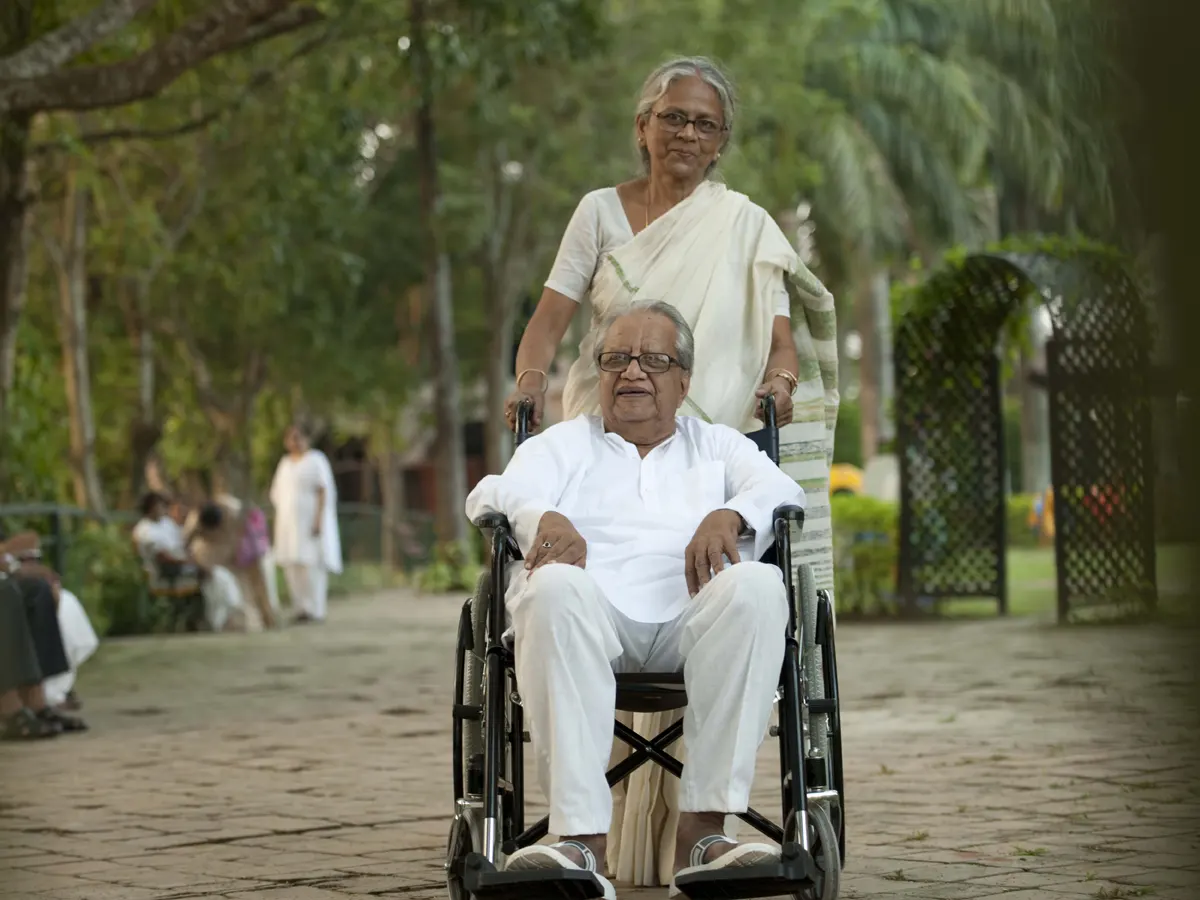
- After surgery, such as a hip or knee replacement
- After a fall or a fracture
- After a stroke, once the hospital says they are stable and our doctors agree we can meet their needs
- After a serious illness
- Elders who are weak or confused after a hospital stay
- Families who need a little time to make home ready
Every stay begins with an assessment. If your parent needs more than we can safely give, we will tell you before you decide.
The care
What recovery care includes
Care round the clock, and a steady routine while your parent gets stronger.
-
Care day and night
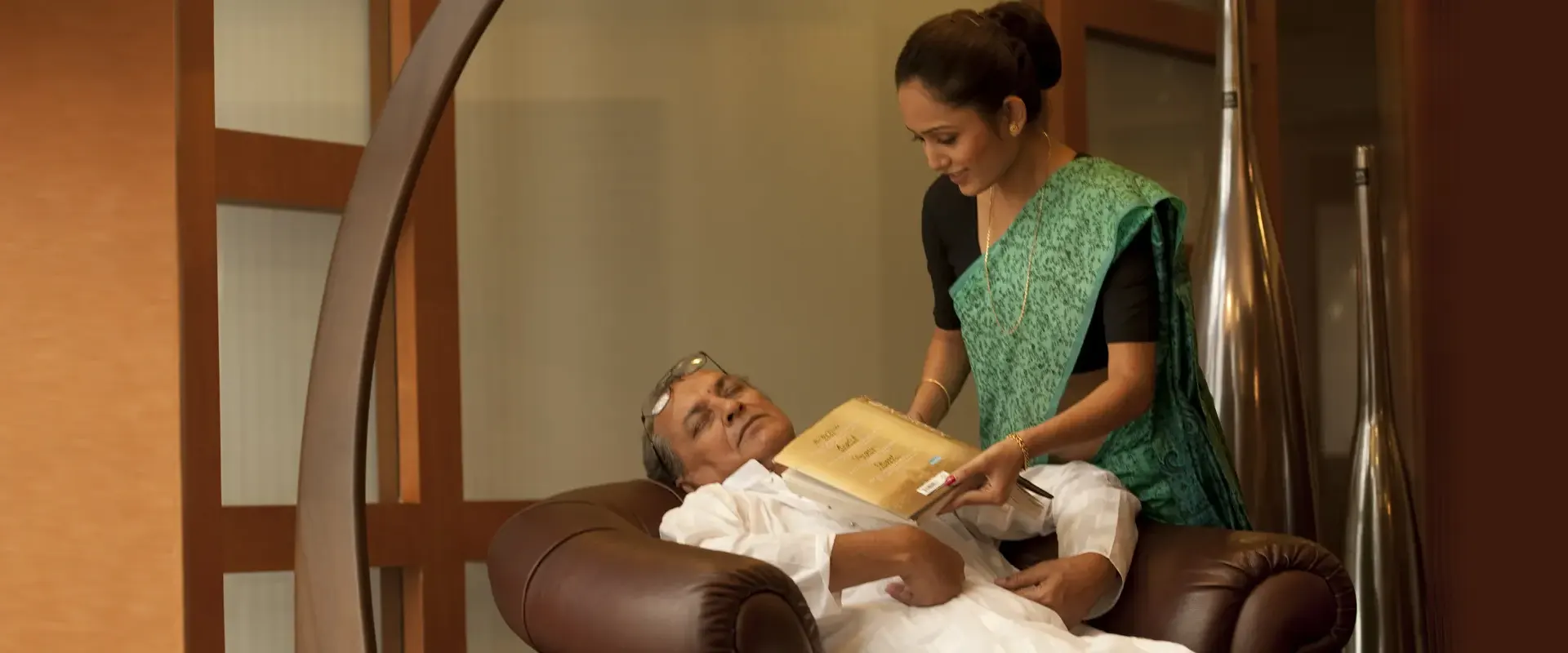
Trained caregiving staff on site round the clock, with nurses supervising the care.
-
Medicines managed
Medicines given as the hospital and your parent’s doctors prescribe, with health records kept.
-
Health checked every day
General health checked every day, a weekly check-up by the visiting doctor, and specialists on call.
-
Getting moving again
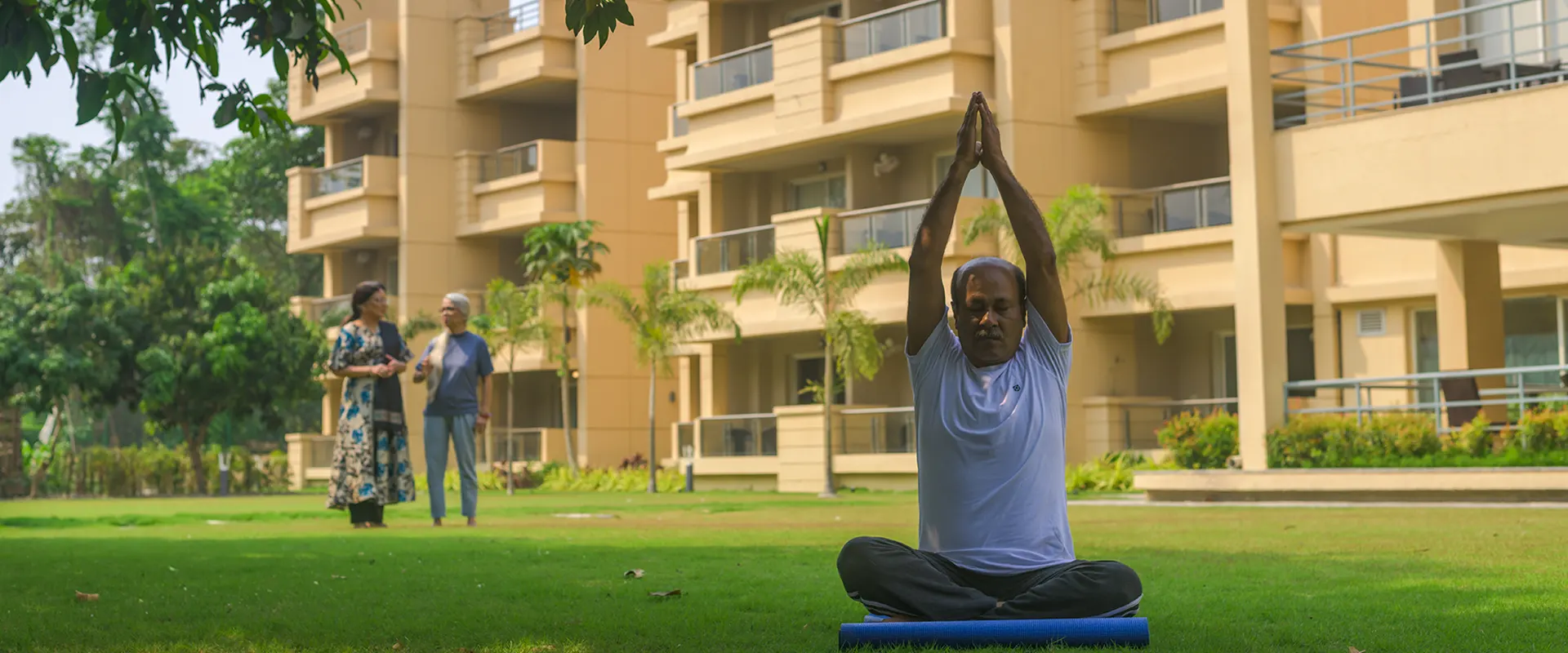
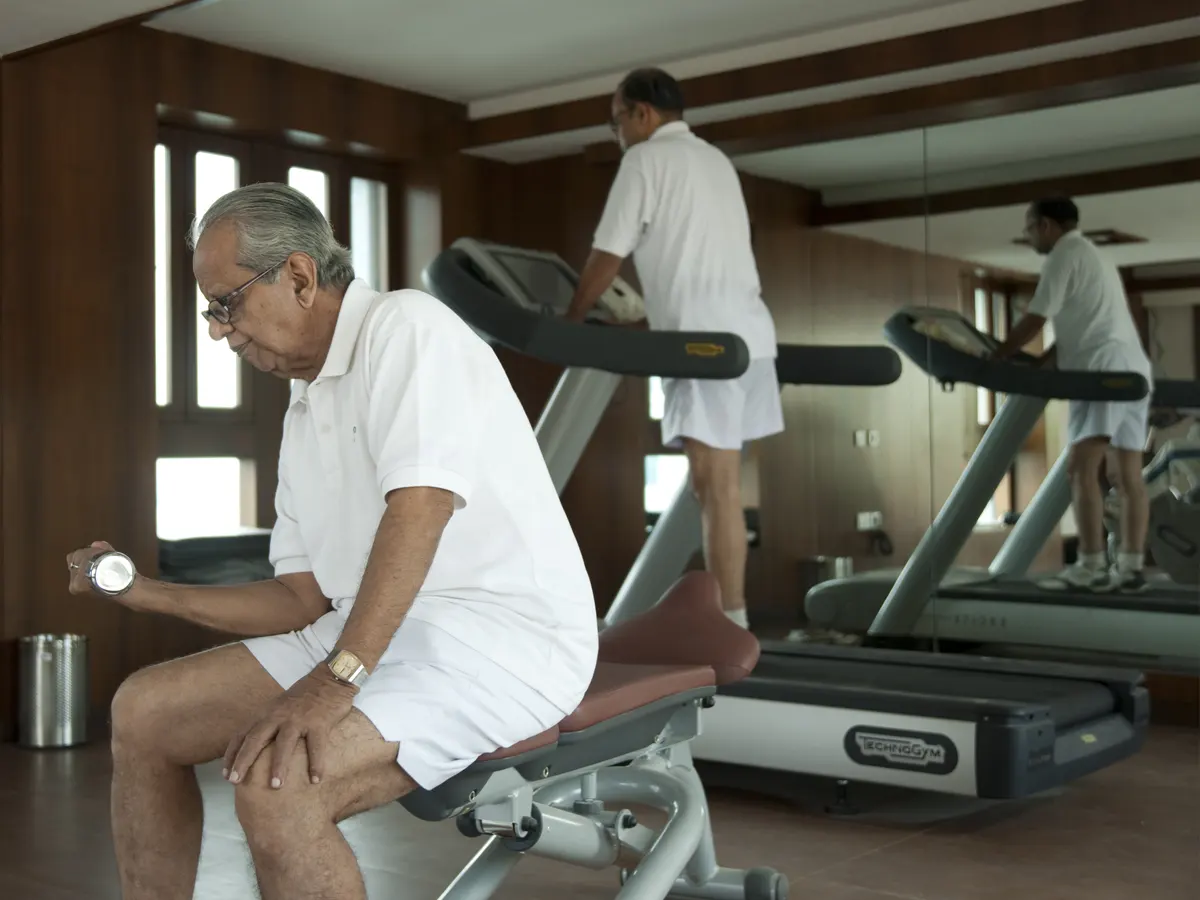
A physiotherapist on call, at an additional charge, with an in-house gym and green walkways for steady practice.
-
Help with daily life
Help with bathing, dressing, moving about and meals, where it is needed: an attendant’s care, charged according to the care plan.
-
Safe to move about
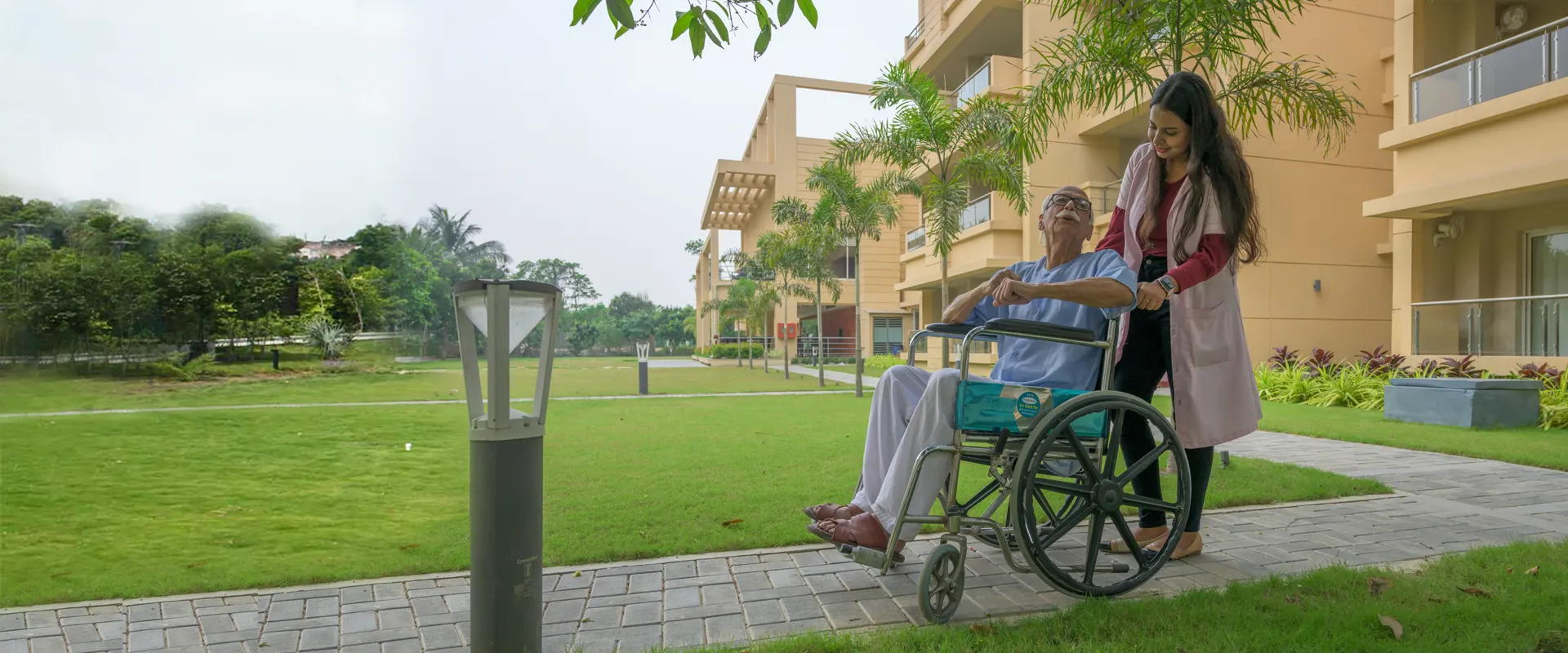
A wheelchair-accessible campus, some rooms designed for elders with a disability, and devices the doctors recommend to help prevent accidents.
-
Food that helps
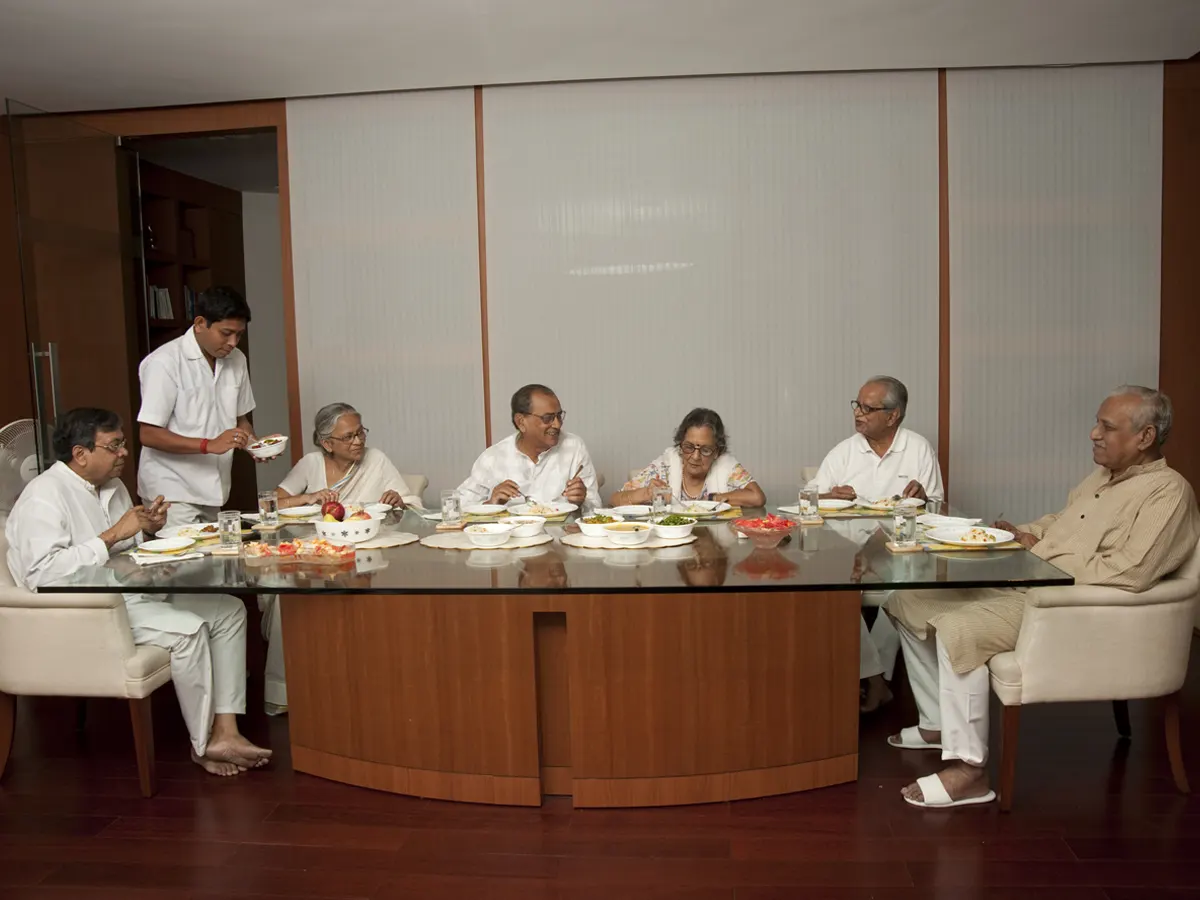
Four freshly cooked vegetarian meals a day, with a diet schedule when the doctor asks for one. Fish or meat may be brought in and eaten in your parent’s own room.
-
Help within reach
An emergency calling switch in every room, an ambulance on call and partner hospitals.
-
Tell us about wounds
Tell us about any wound, dressing, drain or tube before admission, and our doctors will tell you honestly whether we can manage it.
Plainly
What we can and cannot take on
Jagriti Dham is a senior and assisted living home with care, not a hospital or a nursing home.
We are glad to care for elders who are medically stable and recovering. We cannot offer intensive or hospital-level care: there is no ICU and there are no ventilators, and we cannot admit anyone with an infectious disease that can spread to others. Jagriti Dham does not provide palliative care.
Before admission our doctors review the hospital’s discharge summary, so that the answer is clear from the start. If your parent needs more than we can give, we will say so honestly and help you think about the right place.
A week here
What a recovery week looks like
Rest, practice and good food, in a steady rhythm.
- Day one
Settling in. The discharge notes, medicines and needs are reviewed, and the plan for the stay is made.
- Each morning
Help to wash and dress, medicines on time, breakfast, and a health check.
- Each day
Gentle walking and exercise, rest in between, and meals in the dining room, with help where needed, and physiotherapy on the days the doctor advises.
- Each evening
A calm evening, dinner, and help to settle for the night, with staff on duty close by.
- Through the week
Visits from family, the visiting doctor’s weekly check-up, and time in the garden as strength returns.
- As the weeks go on
The plan is updated as your parent grows stronger, and any change in care is agreed with you.
Arranging a stay
From hospital to Jagriti Dham
Six steps. Call as early as you can: whether a room is free at short notice depends on the dates.
Call before discharge
Call or WhatsApp us as soon as a discharge date is likely.
Share the hospital’s notes
Send the discharge summary, the prescriptions, recent reports and any instructions about wounds, diet or feeding, by WhatsApp or to contact@jagritidham.com.
The assessment
Our doctors review the notes, and we tell you whether we can care for your parent well.
Arrival
Your parent comes to us from the hospital or from home, with their agreement and the family’s consent.
The recovery plan
Care is planned around your parent’s needs, and updated as they grow stronger; any change in care is agreed with you.
Going home
Your parent goes home on the date agreed with you. If more time is needed, ask us: extending a stay depends on a room being free.
What to bring
Clothes and nightwear, footwear that grips, spectacles, hearing aids and dentures, a walking stick or walker if your parent uses one, all current medicines in their own strips or boxes with the prescriptions, and the discharge papers.
For professionals
For doctors and discharge planners
If a patient of yours is medically stable but not yet ready for home, you or the family can call 88200 22022, WhatsApp 89618 96167 or e-mail contact@jagritidham.com. With the patient’s consent, please share the discharge summary, the prescriptions and the care instructions, and we will reply as soon as we can.
Length and cost
How long, and what decides the cost
Stays run from one night to a few months, and many recoveries take a few weeks. The cost depends on the room and on the care your parent needs, which the assessment decides. An attendant’s help with daily tasks, physiotherapy and concierge services are charged separately, and medicines and hospital treatment are not included.
A stay like this is not a hospital stay, so health insurance does not usually cover it. Please check your own policy.
Questions
Questions families ask
What is out-of-hospital care?
A short stay with care round the clock, nurses supervising, and a steady routine, for the weeks between leaving hospital and going home. It is also called post-hospital care, transition care or step-down care.
Who needs it?
Elders recovering from surgery such as a hip or knee replacement, a fall, a fracture, a stroke or a serious illness, or who are weak or confused after a hospital stay, once our doctors have read the discharge summary and agree we can meet their needs.
Why not go straight home?
Many older people leave hospital weaker or more confused than before. A few weeks of care, rest and practice can make the return home safer.
What do you need from the hospital?
The discharge summary, the prescriptions, recent test reports, and any instructions about wounds, diet or feeding.
How long can my parent stay?
From one night to a few months. Many recoveries take a few weeks; you choose the dates, and if your parent needs longer, ask us. Extending a stay depends on a room being free.
Is there physiotherapy?
Yes. A physiotherapist is on call, at an additional charge, and there is an in-house gym and green walkways. Sessions are planned as the doctor advises.
Is a doctor available?
The visiting doctor holds a check-up every week, specialists are on call, and nurses supervise everyday care.
What about wounds, dressings, drains or tubes?
Please tell us about any wound, dressing, drain, catheter or feeding tube before your parent comes. Our doctors will read the hospital’s instructions and tell you whether we can manage it.
Will someone help my parent at night, to the bathroom or back to bed?
Staff are on site day and night, and every room has an emergency call switch. For elders who need help moving about, an attendant can be arranged, charged according to the care plan.
Do you take patients on ventilators or needing intensive care?
No. Jagriti Dham is not a hospital and cannot provide intensive care or ventilators.
What if my parent’s condition gets worse?
Every room has an emergency call switch, and staff on site answer it. An ambulance is on call, and if hospital care is needed we arrange the move to one of our partner hospitals. The nearest hospital, Bharat Sevashram, is within 20 minutes of the campus. Hospital treatment is charged by the hospital and is not part of the stay.
Can my parent keep seeing their own specialist?
Yes. Follow-up visits to your parent’s own doctors can continue, and medicines are given as they prescribe. Just tell the resident manager before each visit.
Can a family member stay too?
Yes. Guest rooms can be booked at a charge when one is free, and the Ibiza resort is a few steps away. Family can visit at any time; just tell us you are coming.
Is it covered by health insurance?
Usually not, because it is not a hospital stay. Please check your own policy.
What happens when it is time to go home?
Your parent goes home on the date agreed with you. If your parent would like to stay on, longer stays are possible too.
This page gives general information, not medical advice. The instructions of your parent’s own doctor always come first.

Planning a discharge? Talk to us today
Call or WhatsApp us with the hospital’s notes, and we will tell you how we can help.
Caring for someone with memory loss? Read about dementia & Alzheimer’s care
Need a short stay while you rest or travel? Read about respite care