Author Archives: JAGRITIADMIN

Help Senior Citizens

How the 5 Senses Can Help Senior Citizens Living with Dementia

Dementia is a disease that makes it harder for older people to think, remember things, and do everyday tasks. It can make their lives much more difficult. While doctors often use medicine to help people with dementia, there is growing interest in using non-drug treatments. Senior Citizen Health and Wellbeing Specialists at Jagriti Dham explore through this blog how stimulating the five senses (sight, hearing, touch, taste, and smell) might help people with dementia feel better and live a better life. For those seeking a supportive environment, consider exploring housing options for senior citizens, such as assisted living facilities or memory care communities, where specialised care and sensory stimulation can be provided.

Help Senior Citizens

Dementia is a problem that affects people’s memory, thinking, and behavior. As more and more people get older, there will be more people with dementia. Medicine can help, but it does not always work well and can have side effects. Other ways to help, like focusing on the senses, can be good. Ayurveda, an old Indian medicine system, says that using our senses is important for being healthy. It helps us balance our mind, body, and spirit, which can help us deal with dementia.

“Our goal at Jagriti Dham, a housing for senior citizens, is to enhance the quality of life for our residents with dementia,” stated a Senior Citizen Counselor. “By stimulating sensory pathways, we aim to improve cognitive function, reduce behavioral disturbances, and enhance overall well-being. Our approach involves the scientific application of sensory-based interventions, using specific techniques and modalities to optimise benefits for individuals living with dementia in our community.”

The Role of the Senses in Cognitive Function

The human brain works with our five senses. When we see, hear, touch, taste, or smell something, it sends messages to our brain. These messages help us think, remember, and understand things. In older adults with dementia, their senses might not work as well, which can make it harder for them to think clearly. By using things that help them see, hear, touch, taste, or smell, we might be able to help them think better and have a better life.

  • Enhance cognitive function: Stimulating the senses can help maintain brain activity and slow cognitive decline.
  • Improve mood and reduce agitation: Sensory experiences can provide comfort, relaxation, and a sense of familiarity, which can help reduce agitation and improve mood.
  • Foster communication: Engaging the senses can facilitate communication, even in individuals with limited language skills.
  • Support memory recall: Sensory cues can trigger memories and help individuals connect with their past.

Specific Benefits of Sensory Stimulation

Sight: Looking at things can help keep your brain working well, recognise things better, and bring back good memories.
Help Senior Citizens

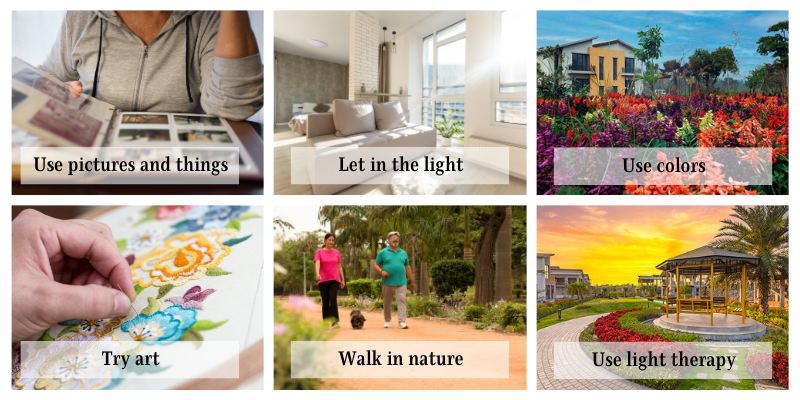
  • Use pictures and things: Look at photos, pictures, or objects to help you remember things.
  • Let in the light: Sunlight can help you sleep better and feel happier.
  • Use colours: Put colourful things around you to make you feel a certain way or remember things.
  • Try art: Doing things like painting, drawing, or sculpting can help your brain see things better and improve your hand movements.
  • Walk in nature: Being outside in nature can help you feel less stressed, happier, and think better.
  • Use light therapy: Using special lights can help you sleep better if you have trouble.

Hearing: Hearing helps us feel better, stay calm, and talk better.

  • Music therapy: Playing music the person likes can make them happy and help them remember things.
  • Sound therapy: Using sounds from nature or quiet music can help them relax and feel less anxious.
  • Auditory cues: Saying things or making sounds can help them understand and do things.
    Singing and Music Making: Doing things with music can help their brain work better and help them talk better.

Touch: Touching things can help people feel calmer, less agitated, and more aware of their surroundings.

  • Massage: Getting a massage can help reduce pain, make blood flow better, and make people feel relaxed.
  • Touching Things: Use things with different textures to help people feel and experience more.
  • Hugs and Touches: Hugging and touching people can make them feel comfortable and safe.
  • Sensory Bins: Playing with things like sand, water, or rice can help people feel and learn new things.
  • Gardening: Planting and taking care of plants can help people experience different things and stay active.

Taste: Stimulating the sense of taste can enhance appetite, trigger positive memories, and improve overall enjoyment of food.

  • Flavourful foods: Eating foods with lots of flavour can help senior citizens taste things better and feel hungry.
  • Familiar tastes: Serve foods that the person likes to help them remember good times.
  • Oral stimulation: Offer foods with different textures, like soft, crunchy, or chewy, to help them taste things better.
  • Food Preparation: Let people help prepare their food. This can help them think better and feel more independent.
  • Taste Testing: Engaging in taste tests can improve sensory perception and enhance enjoyment of food.

Smell: Smelling pleasant things can make people feel good, bring back memories, and help them relax. This can be especially helpful for people with dementia who might feel upset or anxious.

  • Aromatic therapy: Using essential oils can evoke memories, improve mood, and reduce anxiety.
  • Familiar scents: Use smells that the person likes to remind them of good times.
  • Environmental scents: Create a pleasant-smelling environment using air fresheners or scented candles.
  • Cooking and Baking: Cooking or baking can help people smell and taste things, which can be fun and stimulating.
  • Nature Walks: Walking in nature can help people enjoy the smells and other things around them.

Benefits of Sensory-Based Interventions

Sensory-based interventions offer a multitude of benefits for individuals with dementia. By engaging the senses, these interventions can enhance cognitive function, improve mood, and reduce agitation. They can also foster communication, stimulate memory recall, and provide a sense of comfort and well-being. Additionally, sensory-based interventions can help individuals with dementia connect with their past, reducing feelings of isolation and loneliness.

  • Improved Cognitive Function: Sensory stimulation can enhance memory, attention, and problem-solving skills.
  • Reduced Behavioral Disturbances: Engaging the senses can help manage agitation, aggression, and wandering.
  • Enhanced Quality of Life: Sensory-based interventions can improve mood, reduce stress, and promote a sense of well-being.
  • Social Engagement: Group activities involving sensory stimulation can foster social interaction and reduce feelings of isolation.

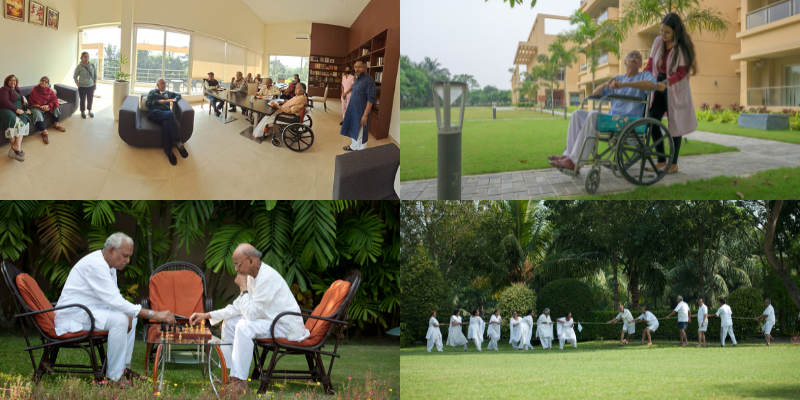
Jagriti Dham, one of the premier luxury retirement homes in India, is thoughtfully designed to promote health and well-being while reducing the risk of dementia. The facility incorporates various elements to stimulate the five senses and enhance cognitive function:

  • Natural light floods the living spaces, promoting a sense of well-being and regulating circadian rhythms.
  • A balanced diet, prepared by expert chefs, ensures optimal nutrition and supports brain health.
  • Engaging activities, such as art therapy, music sessions, and games, stimulate the mind and prevent cognitive decline.
  • The surrounding greenery and nature walks provide opportunities for sensory stimulation and relaxation.
  • To address holistic health, Jagriti Dham houses the Jiva Ayurveda Wellness Centre, offering Ayurvedic treatments and therapies to promote physical and mental balance.
  •  Regular health and wellness workshops educate residents on healthy living and dementia prevention.
  •  Moreover, the facility organises events and celebrations to foster social interaction and encourage a positive mindset.
Help Senior Citizens

By combining these elements, Jagriti Dham creates an environment that supports the physical, mental, and emotional well-being of senior citizens, ultimately reducing the risk of dementia.

Sensory-based interventions offer a promising approach to improving the quality of life for individuals with dementia, particularly in the context of housing for senior citizens. By stimulating the five senses, we can enhance cognitive function, reduce behavioural disturbances, and promote overall well-being in luxury retirement homes and other care settings.


bone health

Bone Health After 60s: A Comprehensive Guide

Bone health is a critical aspect of overall well-being, especially for senior citizens. As we age, bone density tends to decrease, making individuals more susceptible to fractures and other bone-related issues. Understanding bone health is crucial for maintaining a good quality of life and preventing conditions like osteoporosis. In housing for senior citizens, physical fitness is paramount for promoting improved health and a more independent lifestyle.

Understanding Bone Health

Bones are living tissues that constantly undergo renewal. Bone density, a measure of bone strength, is influenced by various factors, including genetics, diet, exercise, and hormonal balance. As we age, the body’s ability to produce new bone tissue slows down, leading to a gradual decline in bone density. This process, known as osteoporosis, can increase the risk of fractures, especially in the hips, wrists, and spine.

A physical wellness advisor at Jagriti Dham emphasises the importance of strong bones for seniors, stating, “As we age, maintaining strong bones is crucial for living a vibrant and independent life. Healthy bones provide a solid foundation for our overall well-being, enabling us to move freely, participate in activities we enjoy, and reduce the risk of fractures.” He further highlights, “At Jagriti Dham, we prioritise bone health through tailored exercise programs, nutritional guidance, and personalised care plans. By investing in bone health, we are investing in a future filled with vitality and independence.”

Factors That Can Affect Bone Health Include:

factors affecting bone health

  • Age: As we age, our bodies naturally produce less estrogen and testosterone, hormones essential for bone health. This hormonal decline can contribute to a decrease in bone density, making individuals more susceptible to fractures.
  • Gender: Women are generally more prone to osteoporosis than men due to hormonal changes during menopause. As estrogen levels decline after menopause, the body’s ability to maintain bone density decreases, making women more susceptible to fractures.
  • Genetics: Family history of osteoporosis can increase an individual’s risk.
  • Diet: Inadequate intake of calcium and vitamin D can contribute to bone loss. Calcium is essential for building and maintaining strong bones, while vitamin D helps the body absorb calcium.
  • Lifestyle: Smoking, excessive alcohol consumption, and lack of physical activity can negatively impact bone health. A sedentary lifestyle can weaken bones due to a lack of weight-bearing activities that help stimulate bone growth.
  • Medications: Certain medications, such as corticosteroids, can increase the risk of osteoporosis. Corticosteroids, often used to treat conditions like asthma, arthritis, and allergies, can interfere with the body’s ability to absorb calcium and maintain bone density. Long-term use of these medications may lead to bone thinning and an increased risk of fractures.

Common Myths Related to Bone Health

There are many misconceptions about bone health. Here are a few common ones:

Myth: Only women need to worry about bone health.
Fact: While women are at a higher risk, men can also develop osteoporosis.

Myth: Once you lose bone mass, you cannot regain it.
Fact: While it is more difficult to regain lost bone mass, it is possible with proper lifestyle changes and medical interventions.

Myth: All dairy products are good for bones.
Fact: While dairy products are a good source of calcium, there are other dietary sources as well.

When to See an Orthopaedic

While old age homes or housing for senior citizens have on-site specialist doctors and physiotherapists, individuals living alone should seek immediate orthopedic care if they experience any of these symptoms:

  • Sudden, unexplained pain or tenderness in bones or joints can be a sign of an underlying medical condition. Early intervention can help prevent complications and improve your overall health.
  • Fractures that occur without a significant injury can be a sign of underlying bone weakness, such as osteoporosis. If you experience this, it is crucial to consult an orthopedic specialist. They can evaluate your bone health, diagnose any potential issues, and recommend appropriate treatment options to prevent future fractures and improve your overall bone strength.
  • Loss of height can be a sign of underlying bone health issues. If you notice a significant decrease in your height, especially if accompanied by other symptoms like back pain or fractures, it is important to consult a specialist.
  • Slumped posture can be a sign of underlying musculoskeletal issues. If you notice that you are frequently slouching or have difficulty maintaining an upright posture, it is recommended to consult an orthopedic specialist. They can assess your posture, identify any potential problems, and provide appropriate treatment or recommendations.
  • Difficulty walking or performing daily activities can be a sign of underlying bone or joint issues. Your doctor can evaluate your condition, diagnose any problems, and recommend appropriate treatment options, which may include physical therapy, medications, or in some cases, surgery.

When to Get Physiotherapy

Physical therapy can play a crucial role in managing bone-related conditions and improving overall bone health. Consider seeking physiotherapy if you:

  • Have recently undergone bone surgery
  • Experience chronic joint pain
  • Need help with balance and coordination
  • Want to improve your range of motion

At Jagriti Dham, one of luxury retirement homes in India, physiotherapy plays a crucial role in supporting seniors’ health. By alleviating pain, enhancing mobility, strengthening muscles, and offering personalised exercise plans, our physiotherapists help residents maintain their independence and quality of life.

Home Remedies for Joint Pain

remedies for joint pain

While home remedies may not completely cure bone-related conditions, they can provide temporary relief from joint pain:

  • Rest: Avoid activities that aggravate your joints. Adequate rest can help joints recover and reduce pain.
  • Ice or heat therapy: Applying ice or heat packs to sore joints can help reduce pain and inflammation.
  • Over-the-counter pain relievers: Nonsteroidal anti-inflammatory drugs (NSAIDs) can help alleviate pain.
  • Massage: Gentle massage with hot oil can help relax muscles and reduce stiffness.
  • Weight management: Maintaining a healthy weight can reduce stress on joints and improve overall bone health.

Bone Healthy Lifestyle

A healthy lifestyle can go a long way in protecting your bones. Here are some tips:

  • Eat a balanced diet: Consume plenty of calcium-rich foods, such as dairy products, leafy greens, and fortified cereals.
  • Get enough vitamin D: Exposure to sunlight helps the body produce vitamin D.
  • Exercise regularly: Weight-bearing exercises, such as walking, running, and dancing, can help strengthen bones.
  • Maintain a healthy weight: Being overweight or obese can put extra stress on your bones.

Alternate Medication for Bone Health Like Ayurveda

Ayurveda, a traditional Indian system of medicine, offers natural remedies for bone health. Some Ayurvedic herbs and practices that may be beneficial include:

  • Herbal Supplements: Ashwagandha, Triphala, and Guggul are commonly used Ayurvedic herbs for bone health.
  • Dietary Changes: Ayurveda emphasises a balanced diet with specific food combinations and restrictions based on individual constitution.
  • Lifestyle Practices: Yoga, meditation, and pranayama (breathing exercises) are integral parts of Ayurvedic treatment for bone health.

Maintaining bone health after 60 is crucial for a fulfilling and independent life. By understanding the factors that influence bone density, adopting a healthy lifestyle, and seeking appropriate medical advice, individuals can significantly reduce their risk of bone-related problems and enjoy a higher quality of life.

Breaking Down the Numbers: Retirement Costs in India vs. the USA

Breaking Down the Numbers: Retirement Costs in India vs. the USA

Retirement planning is a crucial aspect of financial security, and the cost of living during these golden years varies significantly across countries. Let us compare the retirement costs in India and the US, and explore the benefits of housing for senior citizens, particularly for NRI retirees.

What is ‘Cost of Living’?

Cost of living refers to the amount of money needed to sustain a particular standard of living. It encompasses essential expenses such as housing, food, transportation, healthcare, and taxes. Comparing costs of living is crucial for individuals who are about to retire soon or have already retired.

Analysing Retirement Costs in India and the US

Retiring in India offers a significantly lower cost of living compared to the US. Housing, food, transportation, and healthcare are generally more affordable, allowing retirees to stretch their savings further. While the cost of living varies across India, with metropolitan cities being more expensive, it is still notably lower than most US cities. This economic advantage, coupled with India’s rich culture and diverse landscapes, makes it an attractive retirement destination for many Americans.

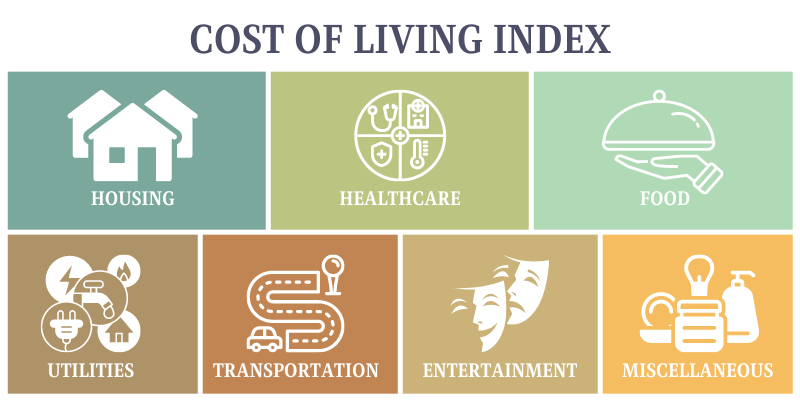
Cost of Living Index

A cost of living index provides a comparative measure of expenses. While the overall cost of living in the US is significantly higher than in India, the gap narrows when considering specific categories like housing and healthcare, particularly when it comes to housing for senior citizens.

  • Housing: Housing costs in India are significantly lower than in the US, especially outside of major metropolitan areas. While monthly rent for a modest apartment can range from INR 10,000 to 50,000 (approximately USD 120 to 600) in Indian cities, comparable accommodations in the US would typically cost between USD 1,000 and 3,000 per month.
  • Healthcare: Healthcare costs vary dramatically between India and the US. While the US boasts cutting-edge medical facilities, healthcare expenses can be exorbitant, often reaching upwards of USD 500 to 1,500 for routine procedures. In contrast, India offers a more affordable healthcare landscape, particularly with the growth of medical tourism. Common treatments in India can range from INR 3,000 to 10,000 (approximately USD 37 to 122).
  • Food: Food costs are generally lower in India compared to the US, especially for staple items. A monthly food budget in India can range from INR 5,000 to 15,000 (approximately USD 60 to 180), while a similar budget in the US would be USD 400 to 800.
  • Utilities: Utilities such as electricity, water, and gas are considerably cheaper in India compared to the US. Monthly utility bills in India typically range from INR 2,000 to 5,000 (approximately USD 25 to 65), while in the US, they can be significantly higher, often ranging from USD 200 to 400.
  • Transportation: Transportation costs vary significantly between India and the US. In India, public transportation is widely available and affordable, with monthly expenses typically ranging from INR 2,000 to 5,000 (approximately USD 24 to 60). In contrast, owning a car is often necessary for daily life in the US, leading to higher transportation costs, usually between USD 300 and 600 per month.
  • Entertainment: Entertainment costs are generally lower in India than in the US. Enjoying dining out, movies, or other leisure activities can typically be done for around INR 2,000 to 5,000 (USD 25 to 65) in India, while similar experiences in the US often cost between USD 200 and 400.
  • Miscellaneous: Miscellaneous expenses can range from INR 3,000 to 8,000 per month in India (USD 36 to 96), while in the US, it’s typically between USD 300 and 600.

A retiree in India can expect to spend between INR 25,000 and INR 98,000 per month (approximately USD 300 to USD 1,200), significantly less than the USD 2,500 to USD 7,600 monthly expenditure in the US. This stark contrast in cost of living makes India a compelling choice for retirees aiming to maximise their retirement savings.

Cost of Living Index - housing for senior citizens

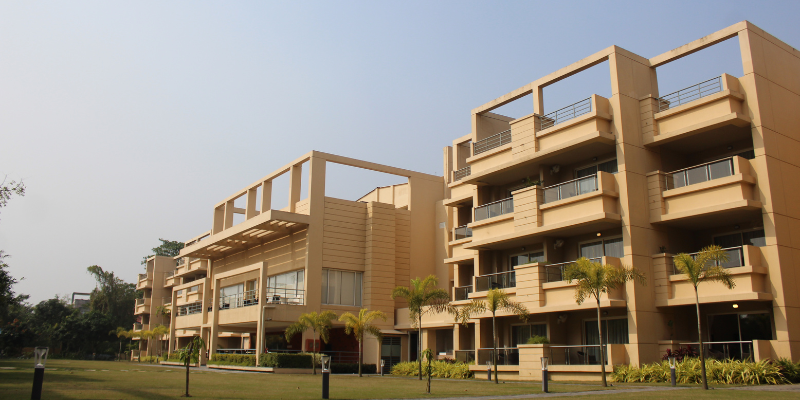
Jagriti Dham, one of the finest luxury retirement homes in India, offers premium eldercare facility in Kolkata. It is an attractive alternative to independent living for retirees. For a monthly fee of INR 45,000 (USD 540) for single occupancy or INR 55,000 (USD 660) for double occupancy, residents enjoy a comfortable lifestyle complete with fully furnished AC rooms, regular health check-ups, nutritious meals, and a host of amenities, including housekeeping, laundry services, social events, and recreational facilities. Compared to the estimated INR 98,000 ($1,200 USD) monthly expenditure for retirees living at home in India, and significantly less than the USD 2,500 to USD 7,600 spent by seniors in the US, Jagriti Dham presents a compelling and cost-effective option for a comfortable and fulfilling retirement.

Jagriti Dham one of the finest luxury retirement homes in India

Retirement Savings

The required retirement corpus varies widely based on lifestyle expectations. However, a general rule of thumb is that you need around 80% of your pre-retirement income to maintain a similar lifestyle in retirement. Given the lower cost of living in India, retirees can often enjoy a comfortable lifestyle with a smaller retirement corpus compared to the US. This is especially true when considering the various housing options for senior citizens available in India, such as retirement communities, assisted living facilities, luxury senior living, old age homes, and age-friendly apartments. These options often offer amenities and services that can significantly reduce living expenses, making it easier to maintain a comfortable retirement.

Why is an Old Age Home an Ideal Choice to Stay after Retirement?

While many prefer to live independently after retirement, old age homes offer several advantages:

  • Companionship: Living amidst peers can combat loneliness.
  • Healthcare: Many homes provide on-site medical care or have tie-ups with hospitals.
  • Care: Professional care is available 24/7, including assistance with daily living activities, medication management, and healthcare.
  • Security: Round-the-clock security ensures safety.
  • Amenities: Modern homes offer facilities like gyms, libraries, and recreational areas.
  • Independence: Residents maintain their privacy while enjoying communal benefits.

India: A Promising Option for NRI Retirees

India has emerged as an attractive retirement destination for NRIs. Here is why:

  • Cost-effective: The significantly lower cost of living in India can stretch retirement savings further.
  • Familiar culture: For those with Indian roots, returning home can offer a sense of familiarity and comfort.
  • Quality healthcare: Many Indian cities have world-class hospitals and medical facilities.
  • Strong family ties: For NRIs with family in India, it can be an opportunity to spend more time with loved ones.
  • Growing senior living options: The number of old age homes and retirement communities in India is increasing, offering a variety of choices.

India A Promising Option for NRI Retirees

By carefully considering retirement costs and the benefits of old age homes, NRIs can make informed decisions about their golden years. India, with its affordable living, world-class healthcare, and rich culture, presents a compelling option for a fulfilling retirement.

Note: These are approximate figures and may vary depending on lifestyle, location, the current dollar exchange rate and other influencing factors.

Understanding Changes in Older Adults

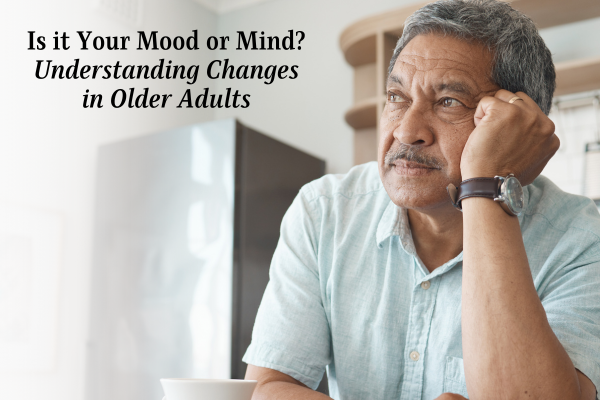
Is it Your Mood or Your Mind? Understanding Changes in Older Adults

It is normal to experience some cognitive changes as we age. However, when these changes start to interfere with daily life, it is important to investigate further.

Before jumping to conclusions about age-related diseases, it is crucial to consider the impact of mood on your thinking abilities. Research suggests a strong connection between mood and cognitive function. While many seniors enjoy fulfilling lives at home, it is essential to be aware of the support options available, such as Assisted Living Facilities In India, which can provide a safe and caring environment for those who may require additional assistance in the future.

Mood Changes in Older Adults

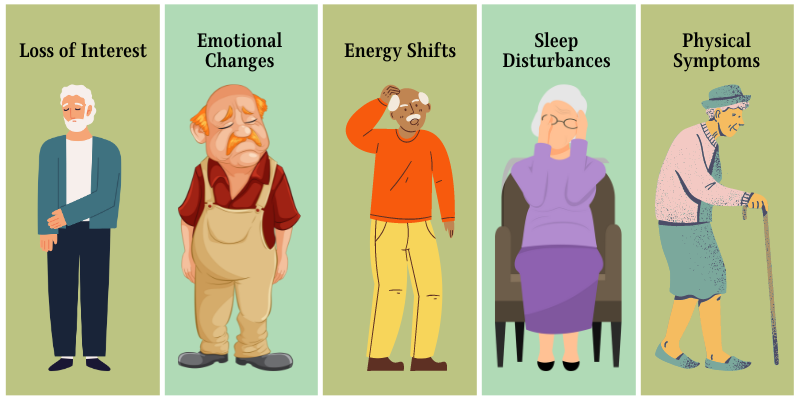
Mood fluctuations are common in older adults and can significantly affect cognitive performance. Here are some signs to watch for:

  • Loss of interest: Diminished enthusiasm for activities once enjoyed.
  • Emotional changes: Feelings of guilt, helplessness, or worthlessness.
  • Energy shifts: Unusual increases or decreases in energy levels.
  • Sleep disturbances: Difficulty falling asleep, early morning awakenings, or excessive sleep.
  • Physical symptoms: New aches, pains, or digestive issues.

Understanding Changes in Older Adults

It is important to note that experiencing these symptoms does not necessarily mean you have a mental or physical health condition. However, if you are concerned, consulting with a healthcare professional is essential.

Changes in Thinking Abilities

“Recognising the subtle shifts in your cognitive abilities is crucial to maintaining independence and quality of life as you age. Early intervention can make a significant difference. Don’t hesitate to seek professional guidance if you notice changes in your thinking or mood. Remember, it is never too soon to prioritise your mental well-being”, mentions Care Manager of Jagriti Dham.

Recognizing changes in thinking can be challenging. Some common signs include:

  • Memory difficulties: Trouble remembering recent events or information.
  • Difficulty with daily tasks: Struggling with managing finances, organising, or completing household chores.
  • Challenges with multitasking: Finding it harder to handle multiple tasks simultaneously.

If you notice these changes, it is essential to discuss them with a healthcare provider.

Seeking Professional Help

Navigating the healthcare system can be overwhelming, especially when dealing with complex issues like mood and cognitive changes. While the roles of different professionals can overlap, understanding their specialties can help guide your decision. For those requiring more comprehensive care, exploring options like Assisted Living Facilities In India could also be beneficial.

Understanding Changes in Older Adults

  • Family medicine physician: Your primary care provider is a good starting point for discussing concerns about mood and thinking. They can conduct a general evaluation and refer you to specialists if needed.
  • Nurse: Nurses can provide support, education, and monitor your health status. They often work closely with physicians.
  • Caregiver: If you have a caregiver, they can offer valuable insights into your changes and help communicate your concerns to healthcare providers.
  • Clinical psychologist: Specialises in diagnosing and treating mental health conditions through therapy.
  • Psychiatrist: A medical doctor specialising in mental health who can prescribe medication.
  • Therapist: Offers guidance and support through talk therapy, focusing on coping strategies and emotional well-being.
  • Mental health counselor: Provides counseling and therapy services to address mental health concerns.

Starting the Conversation

Talking about changes in mood and thinking can be difficult, but it is essential for your well-being. These conversations can be a crucial first step in seeking appropriate support, whether it is through counseling, medication, or considering options like Assisted Living Facilities for Seniors. Here are some tips:

  • Be specific: Clearly describe the changes you’ve noticed.
  • Keep a journal: Track symptoms and patterns over time.
  • Bring a support person: Having someone with you can provide additional information and support.
  • Trust your instincts: If something feels off, don’t hesitate to seek help.

Remember, seeking help is a sign of strength, not weakness. By addressing these concerns early, you can take steps to improve your overall health and well-being

Essential Fall Prevention Tips for Elderly

Essential Fall Prevention Tips for Elderly

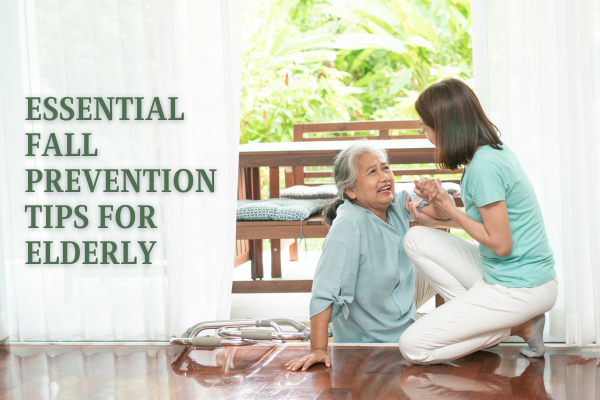
Falls are a common and serious concern for the elderly. These incidents can lead to injuries, loss of independence, and a significant decline in quality of life. Fortunately, many falls can be prevented through proactive measures.

This blog post explores essential fall prevention strategies curated by Senior Citizen Care Experts at Jagriti Dham, aiming to equip caregivers and seniors with tools to create safer living spaces, while emphasising the role of Assisted Living Facilities in India in comprehensive fall care.

Understanding the Risks

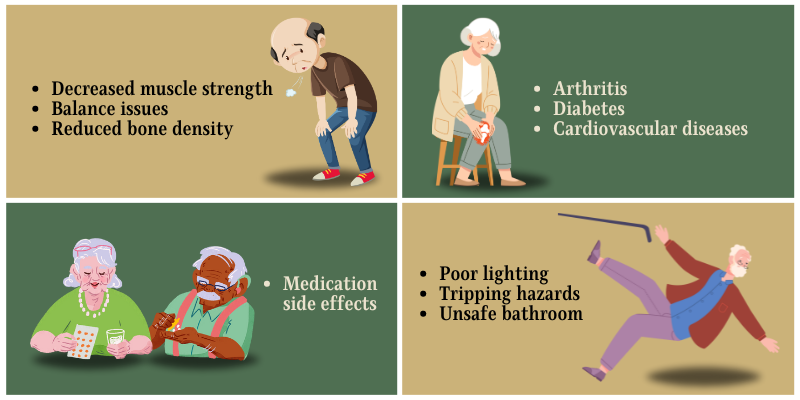
Before delving into prevention strategies, it is essential to understand the factors contributing to falls among the elderly. These include:

  • Physical changes: Decreased muscle strength, balance issues, and reduced bone density.
  • Chronic conditions: Arthritis, diabetes, and cardiovascular diseases can increase fall risk.
  • Medications: Certain medications can cause dizziness, lightheadedness, or other side effects that contribute to falls.
  • Environmental factors: Poor lighting, tripping hazards, and unsafe bathroom conditions can also play a role.

Understanding the root causes of falls is crucial for effective prevention. Factors such as physical decline, chronic illnesses, medication side effects, and environmental hazards significantly increase fall risk among the elderly“, mentions a Geriatric Specialist from Jagriti Dham.

Understanding the Risks

Essential Fall Prevention Tips

Regular Health Checkups

Regular health checkups are essential for proactively identifying and addressing potential fall risk factors among seniors. The Assisted Living Facilities in India incorporate these checkups as a cornerstone of their care, ensuring residents receive timely interventions to prevent falls.

  • Vision and hearing tests: Deteriorating vision or hearing can contribute to falls. Regular checkups and appropriate aids can mitigate these risks. 
  • Medication review: Some medications can cause side effects like dizziness or imbalance. It’s essential to review medications regularly with a healthcare provider.
  • Bone density checks: Osteoporosis weakens bones, increasing the risk of fractures from falls. Regular bone density checks can help identify and manage this condition.
Exercise and Physical Activity

Physical activity is key to improving balance, strength, and flexibility, reducing the risk of falls.

  • Balance and strength training: Exercises that improve balance and strength, such as yoga and resistance training, are particularly beneficial.
  • Regular walking: Walking is a simple yet effective way to improve balance and overall fitness.
  • Yoga and meditation: These practices focus on balance, flexibility, and mind-body connection, making them excellent for fall prevention.

Exercise and Physical Activity

Home Safety

Making your home or living spaces safe is essential for preventing falls.

  • Remove tripping hazards: Clutter, loose rugs, and electrical cords can all increase fall risk.
  • Adequate lighting: Ensure sufficient lighting throughout your home, especially on stairs and hallways.
  • Bathroom safety: Install grab bars, non-slip mats, and a shower seat to reduce the risk of slips and falls.
  • Secure furniture: Make sure furniture is stable and would not tip over.
Footwear

Choosing the right footwear can also help prevent falls.

  • Wear proper shoes: Opt for shoes with good grip and support.
  • Avoid loose slippers: Loose slippers can increase the risk of tripping.
Assistive Devices

Assistive devices can provide additional support and stability.

  • Consider using aids: Canes, walkers, or other assistive devices can be helpful for maintaining balance.
  • Proper fitting: Ensure any assistive devices are fitted correctly for optimal support.

Assistive Devices

Lifestyle Modifications

Certain lifestyle changes can also reduce fall risk.

  • Regular vision checks: Keep your glasses up-to-date and clean to ensure optimal vision.
  • Manage chronic conditions: Conditions like diabetes and arthritis can increase fall risk. Work with your doctor to manage these conditions effectively.
Additional Tips
  • Create a fall plan: Discuss with family or caregivers what to do in case of a fall.
  • Install a medical alert system: A medical alert system can provide peace of mind and quick assistance in case of an emergency.
  • Address fear of falling: Fear of falling can lead to reduced activity levels, which can worsen balance and increase fall risk. Talk to your doctor or a physical therapist about strategies to overcome this fear.

The Role of Assisted Living Facilities

Assisted living facilities in India play a crucial role in fall prevention by providing:

  • 24/7 supervision: Trained staff can monitor residents for signs of instability or falls.
  • Safe environment: Facilities are designed with fall prevention in mind, including non-slip flooring, grab bars, and adequate lighting.
  • Personalised care plans: Individualised care plans address specific fall risks for each resident.
  • Exercise programs: Regular exercise programs help maintain strength and balance.

The Role of Assisted Living Facilities

Jagriti Dham, a leading provider of Assisted Living Facilities for Seniors, offers comprehensive fall prevention programs tailored to the needs of elderly residents. Our experienced care team implements evidence-based strategies to create a safe and secure living environment, empowering seniors to significantly reduce fall risk and enhance their quality of life.

Is India a Better Choice Than the US for Your Retirement Life?

Is India a Better Choice Than the US for Your Retirement Life?

Retirement often brings a mix of excitement and uncertainty. Choosing where to spend these golden years is a crucial decision. While the US has traditionally been a popular option, India is rapidly emerging as a compelling alternative. With the rise of world-class Independent and Assisted Living Facilities in India, seniors can now enjoy a fulfilling retirement in their home country.

Let us check out what experts from Jagriti Dham, a Luxury Senior Living Facility in Kolkata has to say about this:

Healthcare: A Holistic Approach

India is rapidly transforming into a global healthcare powerhouse, seamlessly blending ancient Ayurvedic wisdom with cutting-edge medical technology. The country’s metro cities boast world-class hospitals offering state-of-the-art treatments. This, coupled with India’s profound emphasis on preventive care and holistic well-being, creates a comprehensive healthcare ecosystem. Given the potential health challenges faced by seniors, it is pivotal for retirement communities to have strong healthcare partnerships. In case of medical emergencies, timely access to specialized care is crucial. Jagriti Dham exemplifies this by maintaining strong ties with leading Kolkata hospitals like Institute of Neurosciences Kolkata, CMRI, Narayan Memorial Hospital, Apollo Multispecialty Hospital, and others, ensuring residents receive the best possible care.

State-of-the-Art Senior Living: Comfort Redefined

Contrary to the outdated perception of India as a developing nation, the country has made significant strides in the senior living sector. Assisted Living Facilities In India are now synonymous with luxury and modernity. These establishments offer world-class amenities, including fitness centers, spas, libraries, and recreational areas, that can give direct competition to those found in Western countries. The primary goal is to create an environment that fosters independence, social engagement, and an exceptional quality of life for senior residents.

Assisted Living Facilities For Seniors

Experience the Difference of Compassionate Care

India’s cultural heritage places great importance on respecting and caring for older people. This tradition is deeply ingrained in the way Indians approach caregiving. Caregivers often view their role as more than just a job; they see themselves as part of the resident’s extended family. The spirit of ‘Atithi Devo Bhava’ (the guest is equivalent to God), coupled with the Indian value of treating guests with utmost respect, creates a nurturing environment for seniors. As a result, residents in Indian senior living communities often feel loved, safe, and connected to their surroundings.

Cost-Effective Living: Stretching Your Retirement Dollars

One of the most compelling reasons to consider retirement in India is the significantly lower cost of living. This financial advantage extends to various aspects, including housing, healthcare, and daily expenses. Retirees can enjoy a comfortable lifestyle without straining their finances. Moreover, India offers a growing number of high-quality Assisted Living Facilities For Seniors at competitive prices, making it an attractive option for those seeking a combination of affordability and care.

While the United States offers social security benefits, these often fall short of meeting the rising costs of living during retirement. In contrast, the same amount can provide a significantly higher standard of living in India, including the option of residing in a premium senior living facility.

Leveraging Social Security for a Luxurious Retirement

For US citizens receiving social security, India presents a golden opportunity. The monthly benefits can be a substantial source of income when converted to Indian rupees. This can fund a comfortable retirement lifestyle, including high-quality healthcare, world-class amenities, and attentive caregiving.

Assisted Living Facilities For Seniors

“The decision to relocate for retirement is a significant one. While the United States offers certain advantages, India’s unique blend of healthcare, modern infrastructure, cultural values, and affordability makes it a compelling choice. It is a place where seniors can not only enjoy their golden years but also thrive”, mentions a Senior Citizen Counselor from Jagriti Dham

As India continues to evolve, the future of senior living in the country looks even more promising. It is time to reconsider the traditional retirement narrative and explore the opportunities that India offers.